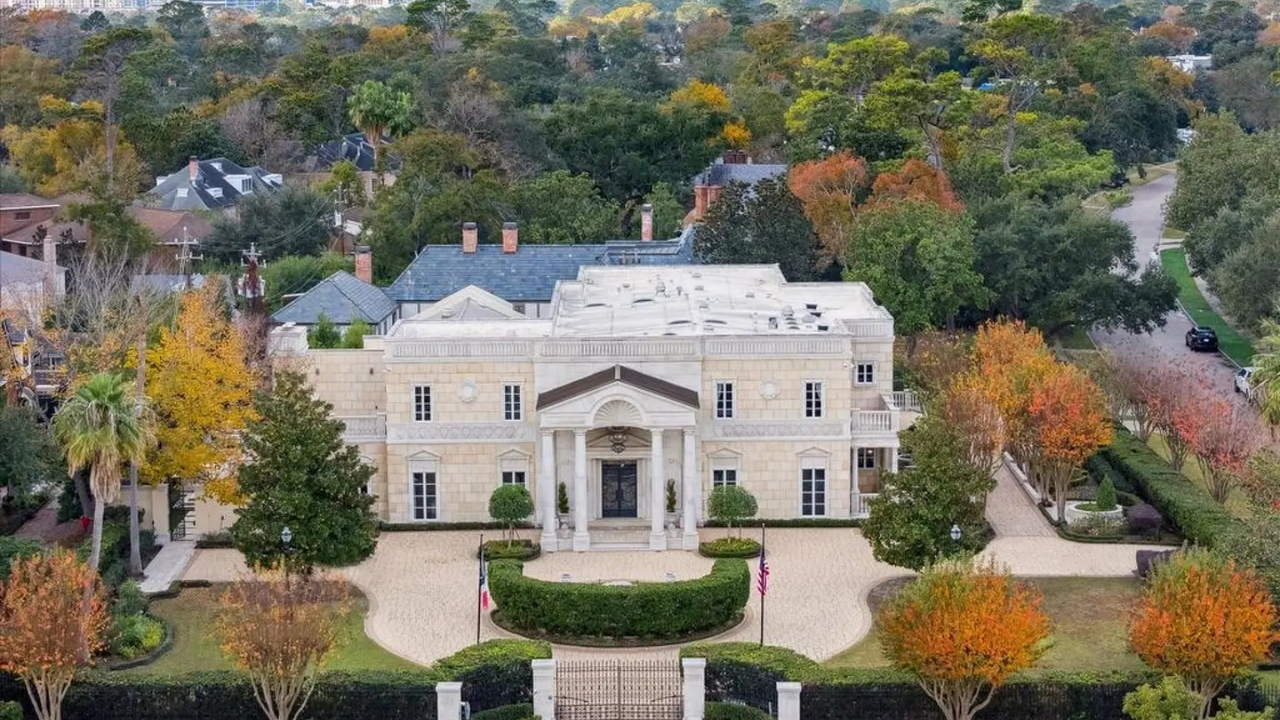
You can buy a lot of things for fifteen million dollars. A fleet of exotic cars, a private island, or a massive commercial real estate portfolio. You probably wouldn't expect anyone to drop that kind of cash on a sprawling fifteen-thousand-square-foot luxury estate just to turn it into a pile of rubble.
Yet, that is exactly what happened in Houston.
When a prominent local attorney purchased a mega-mansion in an ultra-exclusive neighborhood, the real estate community assumed they would move in, update the kitchen, and call it a day. Instead, heavy machinery rolled up to the gates. The mansion came down.
Real estate transactions usually make sense. People buy houses to live in them. They buy commercial properties to rent them out. But extreme luxury real estate operates by an entirely different set of rules. Ultra-high-net-worth buyers view multi-million-dollar properties through a lens most of us cannot fathom.
Let's look at why someone would destroy a pristine architectural masterpiece and what it reveals about the chaotic state of high-end land value.
The Economics of Land Versus Structure
To understand why a lawyer would demolish a fifteen-million-dollar home, you have to separate the dirt from the drywall.
In prime real estate markets, the building is often just a temporary container for the dirt underneath it. Prime acreage in cities like Houston, Dallas, or Austin is finite. You can build a house in twelve months. You cannot manufacture more land in a locked-down, highly desirable gated community.
The home in question sat on an enormous, highly coveted plot of land. To the buyer, the existing structure wasn't an asset. It was a liability. Remodeling a fifteen-thousand-square-foot home to match modern ultra-luxury tastes can easily cost millions of dollars. Custom layouts, aging HVAC infrastructure, and dated interior aesthetics sometimes make renovation more expensive than starting from scratch.
Rich people don't compromise on their living spaces. If the ceiling height is two feet too low or the backyard orientation misses the evening sun, a multi-million-dollar renovation is off the table. They wipe the slate clean.
Who Buys and Destroys
Real estate wealth in Texas has surged over the last decade. Energy fortunes, tech expansions, legal empires, and corporate relocations have minted a new class of ultra-wealthy buyers. These individuals demand absolute privacy, cutting-edge security, and architectural styles that reflect modern minimalism rather than nineties opulence.
Many older mega-mansions were built during architectural eras that do not age well. Think massive columns, dark wood, sprawling compartmentalized rooms, and elaborate formal dining spaces that nobody uses anymore. Modern buyers want open-concept layouts, indoor-outdoor integration, wellness wings, home cinemas, and subterranean garages.
When you have a net worth well north of nine figures, dropping fifteen million dollars on a tear-down is a rounding error. It is the real estate equivalent of buying a tailored suit just to use the fabric for a custom lining. It sounds absurd to the rest of us. To them, it is simple efficiency.
The Neighborhood Politics of Teardowns
Tearing down a massive mansion causes friction. Neighbors hate the noise. Homeowners associations freak out over dust and heavy trucks tearing up asphalt roads. Municipalities field endless complaints.
When a bulldozer touches a property of this scale, local real estate groups start whispering. Are they building an even bigger compound? Will it disrupt property values?
Ironically, a teardown often increases the long-term value of surrounding homes. A brand-new custom mega-mansion designed by a top-tier architect usually commands a much higher price per square foot than an aging property from twenty years ago. By replacing an outdated estate with modern luxury, the new owner is actually lifting the neighborhood ceiling.
What This Means If You Are Buying or Selling
You don't need a fifteen-million-dollar budget to learn from this. The principle applies across all tiers of real estate. Location always beats the physical structure.
If you are hunting for property in a top-tier school district or a hyper-desirable urban pocket, prioritize the lot over the layout. You can always change a kitchen. You cannot pick up a house and move it to a better street.
Sellers with older, oversized homes should also take notes. If your house is massive but trapped in a design style from thirty years ago, you might be marketing to a very small pool of buyers who want a project. Sometimes, pricing a property based almost entirely on land value attracts aggressive cash buyers who will close quickly without demanding inspection concessions.
Luxury real estate isn't about shelter anymore. It is about canvas control. And sometimes, creating your dream home means turning someone else's million-dollar palace into dust.


