Hong Kong is playing a dangerous game of wait-and-see with global health emergencies. Right now, medical experts and lawmakers are piling pressure on the government to issue official outbound travel alerts for the Democratic Republic of Congo and Uganda. The reason? A severe Ebola outbreak that is quietly expanding its footprint.
Waiting for a crisis to land on your doorstep before changing a color-coded warning system isn't a strategy. It's a liability. For a city that prides itself on being a hyper-connected global hub, Hong Kong's current hesitation to update its travel advisories looks remarkably out of touch.
Travelers need clarity before they book flights, not after they land in a quarantine ward.
The Current Threat in Africa and Why It Matters to Asia
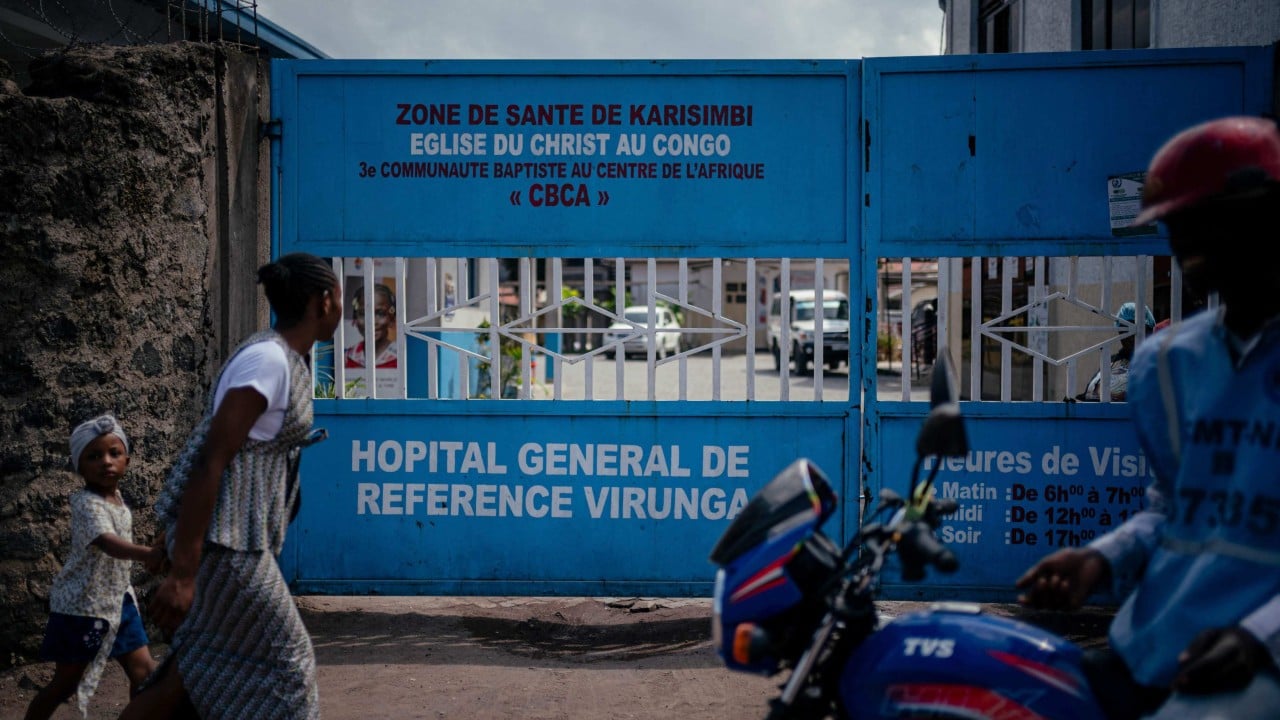
The situation on the ground in East and Central Africa is moving fast. The World Health Organization (WHO) has repeatedly flagged the complexities of tracking hemorrhagic fevers in regions with highly mobile populations. We aren't just talking about isolated villages anymore. Trade routes connect the DRC and Uganda directly to major transit hubs.
Local health officials in Uganda have been working to contain clusters of the virus, but cross-border movement makes containment a nightmare. People move for business, family, and refuge. Because Hong Kong maintains deep international business ties, the risk of importation is never zero.
Medical experts in Hong Kong point out that the incubation period for Ebola can last up to 21 days. That is more than enough time for an infected individual to board a flight, change planes in Dubai or Addis Ababa, and walk right through Hong Kong International Airport without showing a single symptom.
The Flaws in Hong Kong's Reactive Warning System
Hong Kong uses a three-tier outbound travel alert system: Amber, Red, and Black. It's designed to warn residents about security risks, natural disasters, and health threats overseas. But the system has a structural flaw. It relies too heavily on retroactive data rather than proactive prevention.
Right now, neither the DRC nor Uganda sits under an active health-related travel alert from the Security Bureau that reflects the true scale of the current Ebola risk. This bureaucratic inertia creates a false sense of security.
When the government stays silent, travelers assume everything is fine. Insurance companies also use these official alerts to determine coverage. Without an official Red or Black alert, a traveler who decides to cancel a trip to Kampala or Kinshasa due to health fears won't get a dime back from their insurance provider. The government's delay is actively costing people money and risking their health.
Lessons We Keep Forgetting from Past Outbreaks
You would think Hong Kong would be the first to move when a lethal virus starts spreading. The city's history with SARS and avian flu is permanently etched into its public health policy. We know exactly what happens when early warning signs are ignored.
During the massive West African Ebola epidemic between 2014 and 2016, global health bodies realized that early travel restrictions and aggressive public education were the only ways to keep the virus from exploding globally. The Centers for Disease Control and Prevention (CDC) in the United States and the European Centre for Disease Prevention and Control (ECDC) have both updated their guidance regularly during African health crises to reflect real-time danger. Hong Kong needs to align with that level of agility.
Dr. Ho Pak-leung and other prominent infectious disease experts in Hong Kong have frequently argued that border control starts before the flight takes off. Screening passengers at customs is a safety net, but stopping them from entering a hot zone in the first place is much more effective.
What Needs to Happen Immediately
The Security Bureau, in tandem with the Department of Health, needs to stop reviewing paperwork and start making decisions.
First, issue a Red Travel Alert for the affected provinces in the DRC and the bordering districts in Uganda. This tells the public that there is a significant threat and that they should adjust their travel plans. It also gives business travelers the leverage they need to postpone non-essential trips without facing corporate penalties.
Second, the Centre for Health Protection must step up health surveillance at Hong Kong International Airport specifically for passengers arriving from East and Central African hubs. This means mandatory health declaration forms and targeted temperature screenings.
If you are a traveler with upcoming plans to visit the region, don't wait for the government to update a website. Take your safety into your own hands. Check the daily situational reports from the WHO. Talk to a travel medicine clinic at least two weeks before you fly to get the latest advice on specialized precautions. Re-evaluate whether your trip is truly essential right now, because once a health crisis worsens, getting a flight out becomes incredibly difficult.