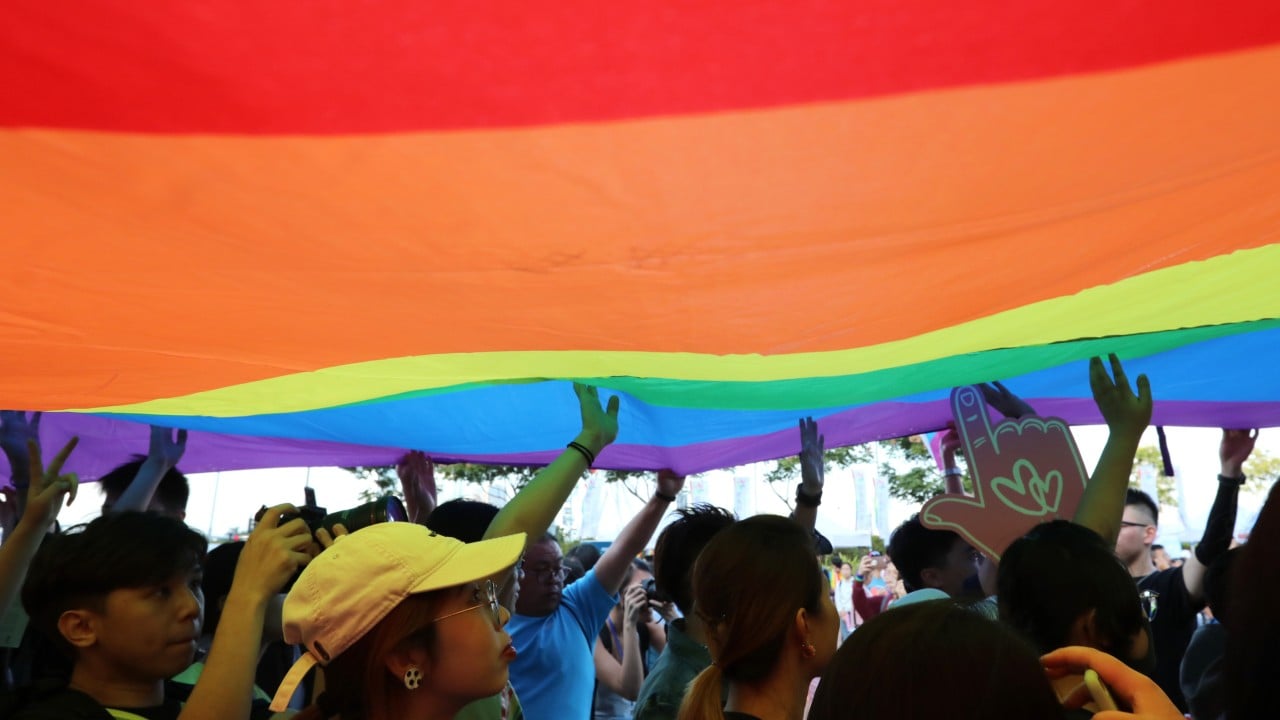
The media is mourning a ghost. Recent commentary laments that Hong Kong is scaling back its annual high-profile LGBTQ+ publicity drives, asking with hand-wringing anxiety if a community is being forgotten.
It is the wrong question.
The premise rests on a fundamental misunderstanding of how social progress and capital intersect in Asia. The assumption is that public corporate campaigns—the pink-washed logos, the sponsored gala dinners, the slick marketing drives—were driving societal acceptance. They were not. They were importing a Western playbook into a financial hub that operates on an entirely different set of cultural and structural mechanics.
The scaling back of public corporate campaigns is not a defeat. It is a correction. The loud, performative activism of the late 2010s was an anomaly, a superficial copy-paste job by multinational corporations looking to satisfy global HR metrics. The real, enduring progress for LGBTQ+ individuals in Hong Kong has never happened on a festival stage or in a marketing campaign. It happens in the courts, through cold, calculated legal strategy, and within the quiet infrastructure of asset management.
The Lazy Consensus of Visibility
Mainstream analysis treats visibility as the ultimate metric of success. If a city has fewer public Pride banners, the narrative claims progress has stalled. This is lazy journalism.
True advocacy requires distinguishing between performative visibility and structural equity. For a decade, multinational banks in Central competed to see who could hoist the brightest rainbow flag. I watched firms spend hundreds of thousands of dollars on single-night networking events while actively resisting changes to their regional health insurance policies that would cover same-sex partners.
Visibility is cheap. It is a marketing expense with a high return on investment for public relations, but near-zero utility for systemic change. The retreat from these public campaigns does not mean the community is being erased; it means the era of cheap corporate virtue signaling is over. Companies are realizing that in the current geopolitical environment, the loud, Western-style confrontational approach to social issues does not work.
The Quiet Power of Legal Precedent
While activists lament the lack of public parades, the actual framework of rights in Hong Kong has been systematically rewritten. This did not happen because a multinational corporation sponsored a panel discussion. It happened because determined litigants took specific, granular cases to the Court of Final Appeal.
Consider the landscape of actual, enforceable rights. The landmark 2019 QT ruling forced the Immigration Department to grant dependent visas to same-sex spouses. The Leung Chun Kwong case secured equal medical and dental benefits for the same-sex partners of civil servants, along with joint tax assessments. More recently, the court decisions surrounding gender recognition and housing rights have chipped away at discriminatory frameworks.
These victories were achieved through the application of administrative and constitutional law, not corporate public relations. The courts respond to legal logic, precedent, and the Basic Law. They do not care about corporate publicity drives.
The obsessive focus on whether a company is running a public pride campaign misses the point of how power and reform function in Hong Kong. Progress here is bureaucratic, legalistic, and incremental. It is won in wood-paneled courtrooms, not on social media feeds.
The Economic Reality of the Pink Dollar
Let us dismantle another myth: the idea that corporate inclusion drives are fueled by pure altruism. They are driven by talent acquisition and capital retention.
Hong Kong remains a global financial hub. To maintain that status, its institutions must attract top-tier global talent. Wealthy expatriates and high-net-worth individuals do not choose a city based on whether a bank changes its logo for a month. They choose it based on legal certainty, personal safety, asset protection, and structural stability.
The real corporate work has shifted from external marketing to internal policy. The smart capital shifted its focus years ago. Sophisticated firms are not funding public spectacles; they are quietly upgrading their internal benefits packages, refining their non-discrimination policies, and ensuring their private wealth management structures can navigate complex cross-border inheritance issues for non-traditional families.
This is the nuance the mainstream media misses. External noise is decreasing, but internal institutionalization is accelerating. The implementation of inclusive policies within family offices, private equity firms, and legal practices across the city has become standard operating procedure. It is treated not as a social crusade, but as a risk-mitigation strategy and a talent-retention necessity.
The Flawed Premise of Western Advocacy Models
The core mistake of the critics is assuming that the Western model of social change is universal. In the West, progress often follows a loud, public, movement-based trajectory defined by public friction and political polarization.
Asia operates differently. In Hong Kong, social shifts are traditionally driven by pragmatic consensus, economic utility, and legal mechanics. Public confrontation often triggers a defensive, conservative backlash from traditional sectors of society. When international corporations lecture a local population using imported rhetoric, it frequently backfires, alienating the very people needed to build a consensus.
The retreat from public corporate campaigns allows for a more localized, sustainable approach to mature. It removes the target from the back of local advocacy groups who were previously accused of being vehicles for foreign corporate agendas. When the noise dies down, the real work becomes visible. Local organizations can engage with families, small businesses, and community leaders on practical terms, rather than through the polarizing lens of global corporate culture wars.
The Cost of the Pragmatic Path
To be clear, this pragmatic, legalistic approach has distinct downsides. It is painfully slow. It requires significant financial resources to fund years of litigation. It privileges those who can afford top-tier legal representation to fight for their rights in court, leaving working-class individuals without the same immediate recourse.
It also lacks the emotional catharsis of a public movement. It offers no grand speeches, no collective celebrations, and no instant validation. It is a grind of filings, affidavits, and judicial reviews.
But it works. A judicial ruling cannot be easily undone by a shift in political winds or a change in a corporation's marketing budget. A court precedent becomes part of the permanent legal infrastructure of the city.
Stop looking at the absence of corporate banners as a sign of decay. The corporate publicity drive was a superficial metric of success, a vanity metric for global executives who wanted to feel progressive without doing the hard work of structural reform.
The circus has left town. The heavy lifting continues in silence.