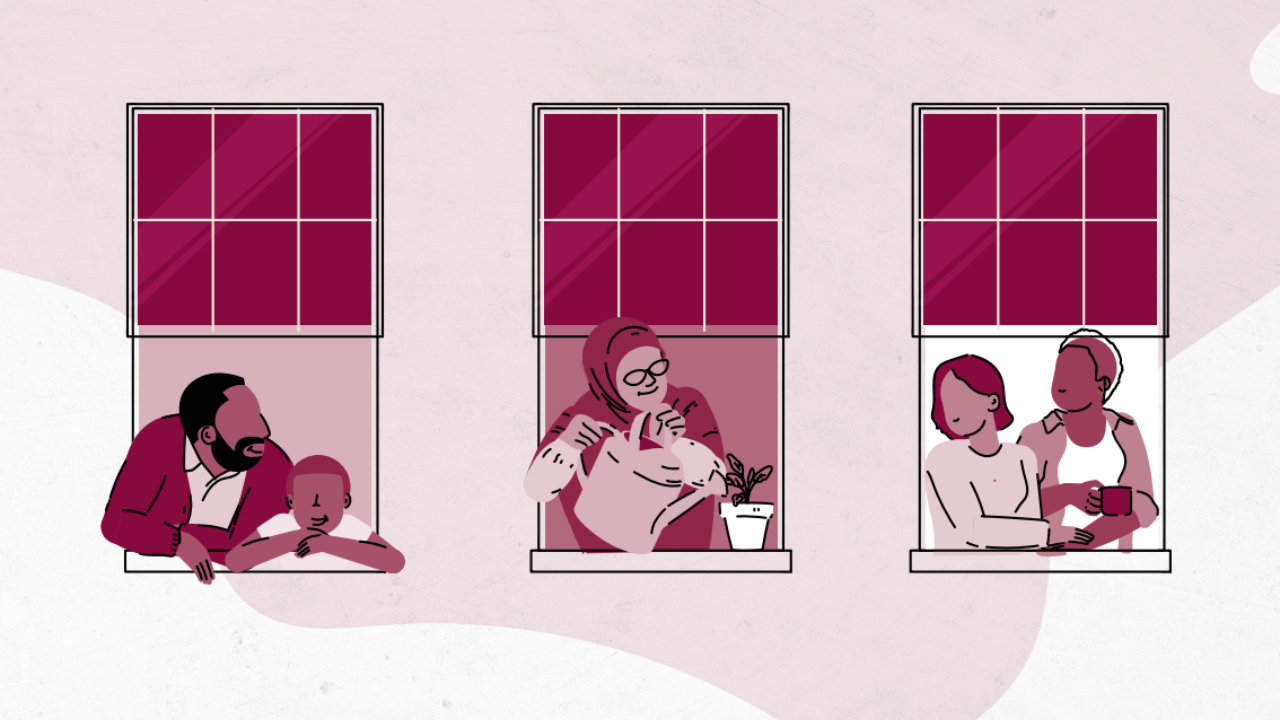
The UK government recently published a new informational booklet and poster campaign aimed directly at people arriving to claim asylum. Titled Understanding behaviours and expectations in the UK, the Home Office document spells out principles that most citizens take for granted. It states explicitly that sex without consent is rape, that anyone under sixteen cannot legally agree to sexual activity, and that physical or verbal abuse within a household is a crime.
Unsurprisingly, the release triggered an immediate political storm. Critics argue that printing basic instructions telling adults that child sexual abuse and rape are illegal highlights a profound disconnect and serious vetting failures within the immigration system. Supporters, meanwhile, maintain that laying out domestic laws and cultural expectations clearly from day one is a necessary preventative measure.
What the Home Office Guide Actually Says
The pamphlet spans several core areas of British law and daily life. It covers gender equality, public respect, domestic abuse, and sexual consent.
On the topic of consent, the wording leaves zero room for misinterpretation. The text specifies that both participants must freely agree to any sexual contact. It explicitly notes that if someone is asleep, intoxicated, or otherwise incapacitated, they cannot grant consent. Furthermore, it stresses that being married or in a relationship does not mean automatic consent.
Regarding minors, the guidelines point out that the legal age of consent in the UK is sixteen. The document warns that even if an underage individual claims willingness, or if different cultural norms prevail elsewhere, crossing this line is a serious criminal offense that carries prison time, threatens accommodation support, and damages an active asylum claim.
Public harassment also features prominently. Asylum seekers are instructed that following individuals, blocking paths, making unwanted sexual remarks, or taking photos and videos without permission are unacceptable behaviours in public spaces.
The Political Backlash and Competing Views
Reaction across the political spectrum was swift and polarizing. High-profile commentators and opposition figures expressed sheer disbelief that the state felt compelled to issue elementary guidance regarding sexual assault. Conservative voices argued that distributing such material signals that individuals arriving from certain regions hold social views fundamentally incompatible with Western legal frameworks.
On the other side of the debate, defenders of the policy argue that transparency prevents misunderstandings and leaves no excuse for criminal conduct. Government defenders emphasize that outlining UK boundaries explicitly helps protect vulnerable members of the public while informing new arrivals of the severe legal consequences awaiting them.
At the same time, advocacy groups working with refugees point out a different side of the equation. Organizations like Rape Crisis have repeatedly highlighted that asylum seekers—particularly women and children—are often vulnerable to exploitation and violence themselves while navigating the precarious housing and accommodation system. The Home Office guide includes direct helpline numbers for victims of sexual assault and domestic abuse, noting that reporting crimes will not negatively affect an active asylum application.
Whether these printed guides will fundamentally alter behavior or simply serve as a lightning rod for broader arguments about border management remains to be seen. What is clear is that the document has thrust the friction between differing cultural norms and domestic UK law straight into the national spotlight.
To watch political commentators debate the necessity and implications of this new Home Office rollout, check out this discussion on the UK consent guide for asylum seekers.