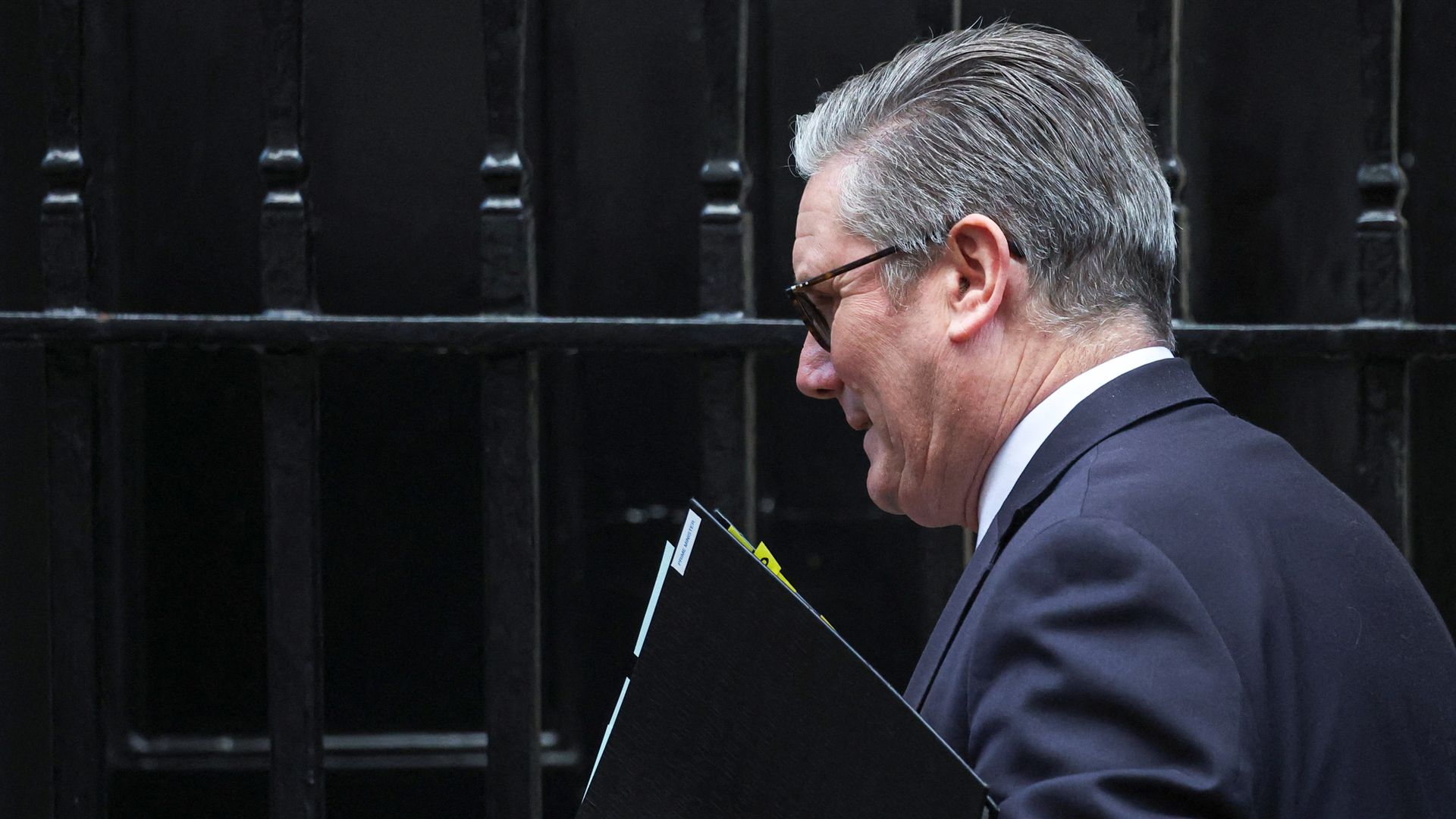
The air in Westminster does not move; it settles like a heavy, invisible dust. You can smell it in the corridors of the House of Commons—a mixture of old paper, floor wax, and the metallic tang of nervous sweat. Sir Keir Starmer has spent a lifetime navigating these halls, moving from the precision of a courtroom to the jagged theater of politics. But the silence in the chamber right now is different. It is the kind of silence that precedes a landslide or a collapse.
Outside, the country is breathing through a respirator.
Consider a woman named Elena. She does not exist in the briefing notes, but she is the ghost that haunts the Prime Minister’s every move. Elena is fifty-four. She lives in a drafty terrace in northern England, and she has been waiting eighteen months for a hip replacement that was supposed to take six. Every morning, she weighs the cost of a heating bill against the price of the extra-strength painkillers that keep her upright. To Elena, "fiscal responsibility" is not a campaign slogan. It is the reason she cannot walk to the supermarket.
When Wes Streeting, the Health Secretary, sits across from the leaders of the British Medical Association, he isn't just negotiating pay scales or shift rotations. He is bartering for Elena’s mobility. The critics, circling like scavengers in the gray light of a London morning, aren't interested in Elena. They are interested in the friction. They see a Labour government that promised a new dawn but delivered a cold, analytical Tuesday.
The trap is set. On one side, the unions demand a restoration of what was lost during a decade of austerity. On the other, the Treasury guards the vault with the ferocity of a dragon that has forgotten it has no gold left to protect. Starmer stands in the middle, a man who built his reputation on being the "adult in the room." But rooms full of adults can be remarkably cruel places when the heating is turned off.
History suggests that the first hundred days of any leadership are a honeymoon. For Starmer, it has felt more like a deposition. The strikes aren't just about money; they are a fever dream of a system that has been run at 110% capacity for too long. The machinery is glowing red. You can see it in the eyes of the junior doctors who haven't slept in thirty-six hours, their scrubs stained with the coffee and adrenaline of a failing ward. When they walk out, the government’s narrative of "stability" begins to fray at the edges.
Critics from the left call him a betrayer of the working class. Critics from the right call him a technocrat with the soul of a spreadsheet. Both sides are waiting for him to blink.
The genius of political assassination is that it rarely happens with a single blow. It is a process of erosion. It is the slow, steady drip of bad headlines, the "politics latest" blogs that tally every perceived stumble, and the quiet murmurs in the tea rooms. The "almighty clash" isn't a single battle on a field. It is a war of attrition played out in the waiting rooms of A&E departments and the cold aisles of discount grocery stores.
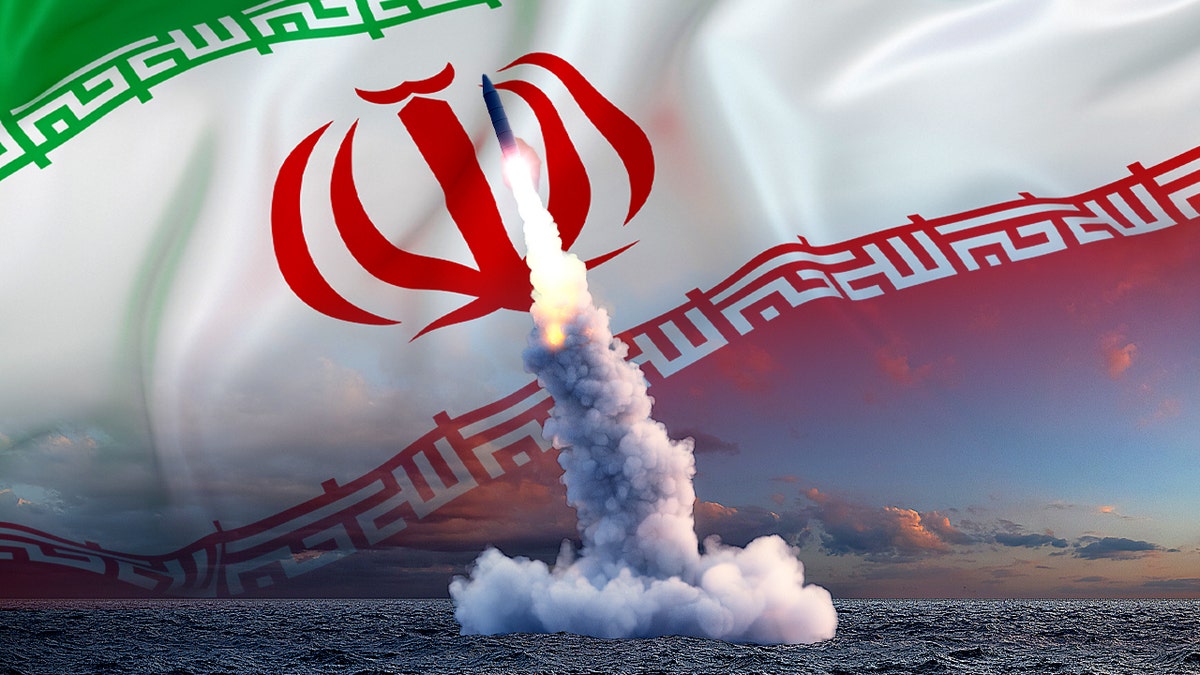
There is a specific kind of pressure that comes with holding power while the world feels like it is tilting off its axis. Beyond the borders of the UK, the horizon is dark. Conflict in the Middle East isn't just a foreign policy headache; it is a volatile variable that dictates the price of the petrol in Elena’s car and the stability of the global markets that Starmer so desperately needs to court. When Keir Starmer speaks about Iran or the ripples of war, he is trying to project the image of a statesman. Yet, back home, the voters are looking at their damp walls and wondering if the Prime Minister knows how much a pint of milk costs this week.
He is a man of logic. Logic dictates that you cannot spend what you do not have. Logic says that reform must precede investment. But logic is a cold comfort to a mother watching her child cough in a moldy flat. The emotional core of this struggle is the gap between what is "sensible" and what is "survivable."
The rebellion within his own ranks is the most dangerous element. Loyalty in politics is a currency that devalues faster than the pound during a crisis. Backbenchers, sensing the shift in the wind, start to wonder if their seats will survive the next cycle. They look at the polls, then at the man at the dispatch box, and they begin to calculate the cost of their silence.
Every time a minister goes on television to explain why a pay rise is "unaffordable," they are chipping away at the foundation of the mandate they fought so hard to win. They talk about the long term. They talk about the "difficult decisions." But people do not live in the long term. They live in the aching joints of the present. They live in the fear that if they call an ambulance, it might not come.
The stage is indeed set. The lights are blindingly bright. The audience is exhausted, cynical, and increasingly angry. Starmer’s critics don't need to be right; they only need him to be wrong. They are betting that his commitment to the "center ground" will eventually leave him stranded on an island, disconnected from the raw, bleeding reality of a nation that is tired of being told to wait.
In the quiet of his office, away from the cameras, one wonders if the Prime Minister ever looks at the portrait of those who came before him and sees the same shadow. Power is a heavy thing to wear when the fabric is tearing. The "almighty clash" isn't coming. It is already here. It is in every shuttered shop front and every overstretched clinic.
The man who wanted to fix Britain is finding out that some things don't want to be fixed—they want to be healed. And healing requires a touch that a courtroom lawyer might not possess.
The clock on Big Ben chimes, a deep, resonant sound that vibrates through the stones of the palace. It marks the passing of another hour in a country holding its breath, watching a leader try to prove that his vision is more than just a well-managed decline.
Beneath the rhetoric and the parliamentary maneuvers, the true stakes are whispered in the kitchens of the disillusioned. If the system cannot be made to work for the Elenas of the world, then the crown, no matter how hard-won, will always feel hollow.