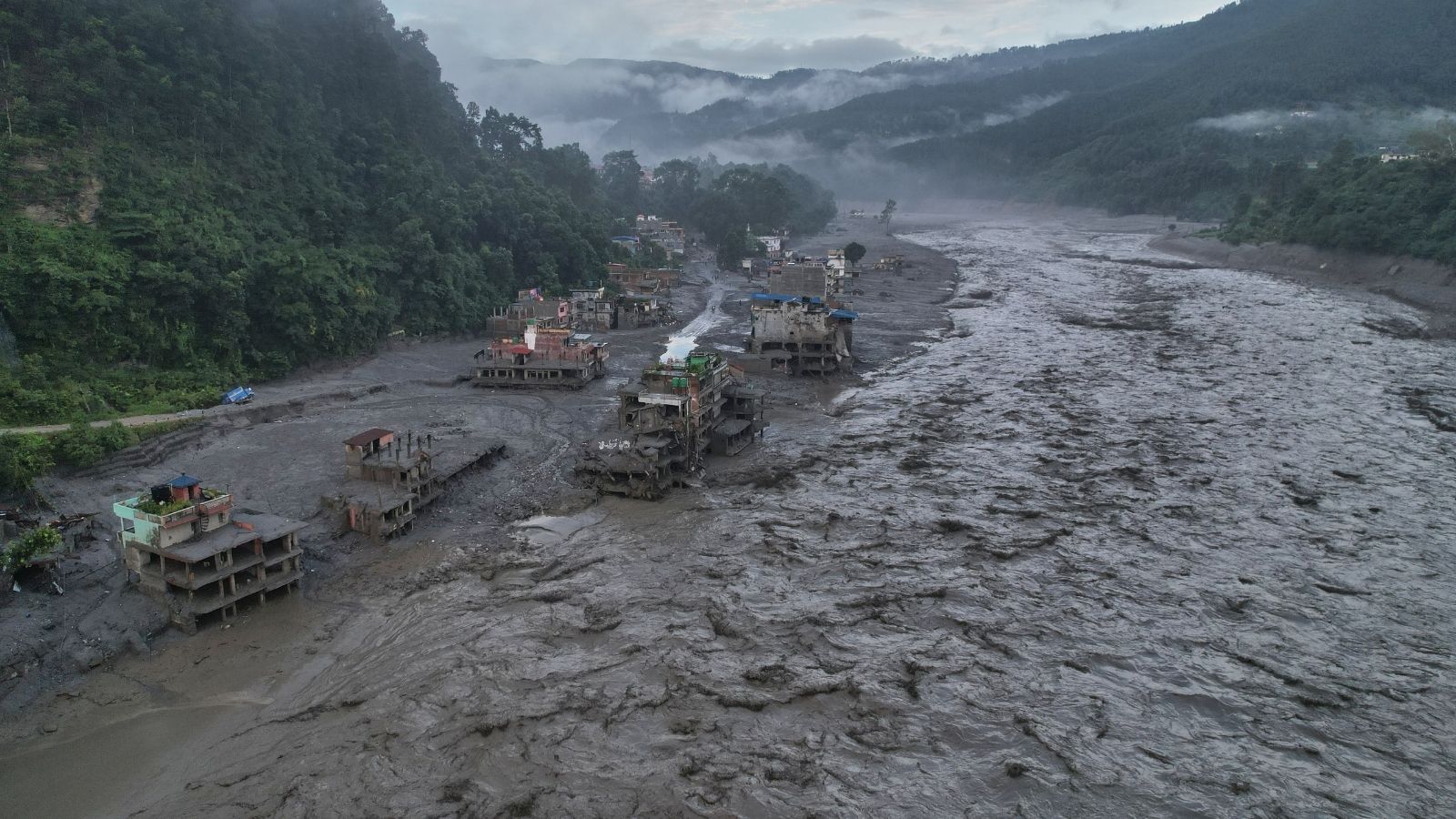
High-altitude mountaineering is an exercise in calculated risk, but nature holds the final card. When an avalanche swept across the base camp area of Himlung Himal in Nepal's Manang district, leaving ten individuals unaccounted for, it sent a chilling reminder through the global climbing community. The disaster struck on a Sunday morning following days of relentless heavy rain and snowfall, burying tents and disrupting expeditions on the 7,126-meter peak.
We talk endlessly about summit records and tourism economics, yet we rarely address the mounting volatility of the roof of the world.
The Reality Behind High-Altitude Disasters
The incident at Himlung Himal in the Nar Phu valley wasn't an isolated stroke of bad luck. Continuous unseasonal weather patterns across Nepal's mountain districts have destabilized slopes that climbers have navigated for decades. Many expedition teams had already pulled back their rope-fixing crews following severe weather warnings. Even so, support staff and climbers remaining near base camps found themselves caught in sudden, violent whiteouts and debris flows.
When ten Nepali nationals—including climbing support staff and team members—go missing, the human cost extends far beyond international mountaineering circles. These local professionals are the backbone of the Himalayan tourism industry. They know the risks better than anyone, which makes tragedies like this even harder to digest.
Why Traditional Safety Margins Are Failing
Climbing logistics in remote regions like Manang rely heavily on historical weather predictability. That predictability is gone. Rapid warming trends are altering high-altitude permafrost, turning solid rock and ice faces into unstable traps during unexpected precipitation events.
Traditional forecasting models often fail to capture localized microclimates at 7,000 meters. When heavy snowfall hits a base camp, rescue choppers cannot fly immediately. Low visibility and treacherous winds ground search efforts, leaving stranded individuals waiting hours—sometimes days—for a break in the weather.
- Weather Volatility: Sudden heavy rains at lower elevations translate to massive snow dumps higher up, drastically increasing avalanche risk.
- Logistical Hurdles: Reaching remote peaks like Himlung Himal requires specialized permits and long flight paths from Kathmandu, eating away golden hours during emergency responses.
- Human Factor: Economic pressures sometimes push teams to stretch weather windows, hoping to salvage short autumn or spring climbing seasons.
Rethinking Himalayan Risk Management
If we want to protect lives on peaks like Himlung Himal, the entire approach to expedition oversight needs a hard reset. Waiting for disaster to strike before grounding teams is a reactive cycle that doesn't work anymore.
Authorities need stricter, enforceable protocols tied to real-time satellite data rather than generalized regional forecasts. Expedition operators must prioritize mandatory evacuation triggers that take profit motives completely out of safety decisions.
The mountains aren't getting safer. Our strategies for respecting them need to catch up.
Nepal Avalanche at Himlung Himal Base Camp: At Least 10 Missing After Heavy Snowfall Triggers Disaster
This video provides a detailed news breakdown of the avalanche incident at the Himlung Himal base camp in Manang, highlighting the rescue operations and weather conditions.