The concrete is eating the oxygen. Drive up past Rishikesh or ascend toward the high-altitude passes of Himachal Pradesh, and the sound you hear is not the rush of glacial melt or the whistle of wind through deodar pines. It is the steady, rhythmic pounding of hydraulic breakers smashing through ancient gneiss and schist to carve out wider highways for SUV caravans. Himalayan tourism is broken, stripped of its soul, and transformed into a high-octane extraction industry that treats fragile alpine ecosystems as disposable theme parks.
Every season brings the same surreal footage. Thousands of bumper-to-bumper vehicles choked in narrow mountain passes, tourists screaming at local vendors over inflated prices for instant noodles, and garbage bags tumbling down khuds into pristine river valleys. State governments in Uttarakhand and Himachal Pradesh trumpet the record-breaking footfall numbers as a triumph of economic development. They point to rising tax revenues and hotel occupancies as proof of success. But this is the economics of a Ponzi scheme. The mountain is paying the principal, and the account is nearly overdrawn.
The Infrastructure Trap
For decades, the standard playbook for mountain development relied on the all-weather highway model. The logic appeared sound on paper. Pave the roads, eliminate the bottlenecks, and bring the plains up into the heights.
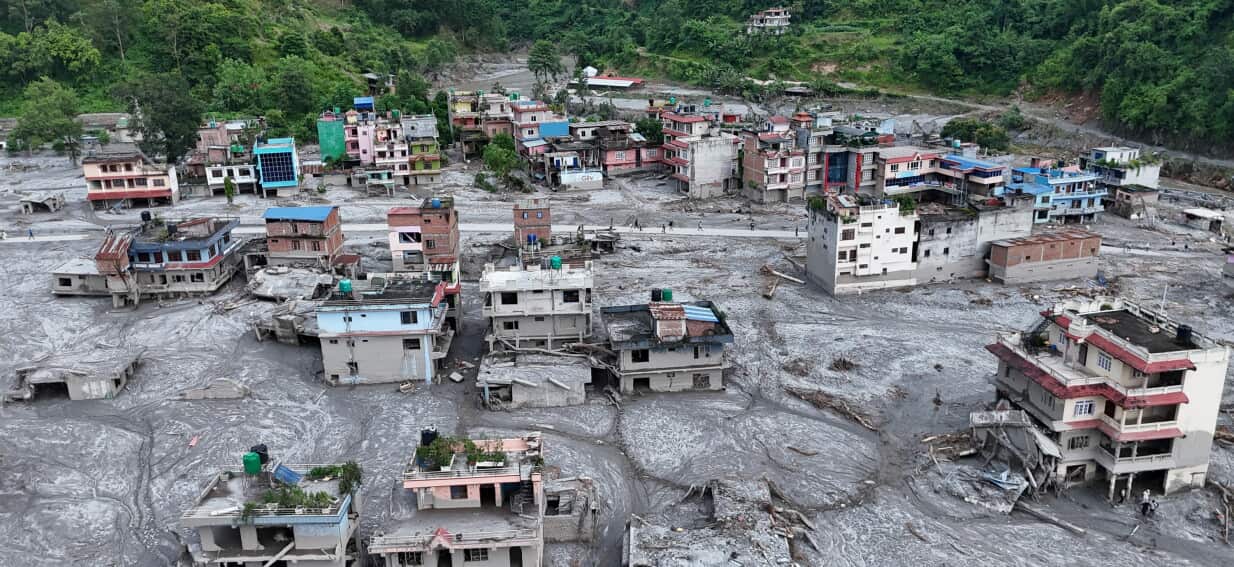
Reality proved far more destructive. Cutting wider switchbacks into unstable young mountain ranges alters the geomorphology entirely. Monsoons no longer simply water the hillsides; they trigger catastrophic slope failures because the toe of the mountain has been sheared away to accommodate parking lots and view-decks.
Consider the mechanics of mass tourism in these zones. A standard pilgrimage or leisure circuit now moves millions of people into regions engineered to support a fraction of that load. Sewage treatment plants are virtually nonexistent in smaller hamlets experiencing sudden booms. Septic tanks leak directly into the water table, poisoning the springs that downstream villages have relied upon for generations.
The economic model is equally flawed. A massive percentage of high-season revenue flows directly back to corporate aggregators, digital booking platforms, and hotel chains headquartered in metropolitan hubs hundreds of miles away. Local residents inherit the garbage, the traffic paralysis, and the water scarcity, while the financial upside remains heavily concentrated among external operators.
The Myth of Sustainable Management
Bureaucrats love committees, policy drafts, and green-washing slogans. Whenever a catastrophe strikes—be it land subsidence in Joshimath or devastating flash floods across Kullu—officials hastily announce carrying capacity studies and stricter zoning regulations.
Nothing changes. The political economy of tourism runs on volume. No elected official wants to be the person who tells tens of thousands of weekend travelers from Delhi or Chandigarh that they cannot drive up to the snowline.
Instead, authorities issue toothless advisories. They suggest carpooling. They ask hotels to conserve water. These measures serve as theatrical distractions, masking the structural reality that the carrying capacity of these fragile biomes was breached a decade ago.
True management requires hard limits. It demands congestion pricing, strict caps on private diesel and petrol vehicle entry, and a total moratorium on commercial concrete construction above a specific elevation. When you allow luxury resorts with heated swimming pools to sprout up in water-scarce alpine zones, you are engineering a man-made drought.
Shifting the Burden to the Hills
The ecological debt is paid entirely by mountain communities who had little voice in the rapid commercialization of their ancestral lands. Local farmers find their traditional water mills dry up because deep-bore wells for luxury camps have lowered the water table.
Livestock corridors are blocked by fences and resort boundaries. The traditional pastoral economy, which spent centuries harmonizing with the rhythms of seasonal migration, is viewed by tourism planners as an outdated aesthetic to be photographed rather than a sustainable livelihood to be protected.
When local populations attempt to organize resistance against reckless blasting or illegal riverbed mining for construction aggregate, they are met with administrative indifference or police intimidation. The state views the mountains not as homes for living communities, but as a vast, rugged playground meant to subsidize urban stress relief.
Reversing the Trajectory
Fixing this crisis demands an immediate rejection of the volume-based growth metric. Success must no longer be measured by how many millions of plastic water bottles entered a district, but by how much the ecological footprint shrank.
States must pivot toward high-value, low-impact experiential travel. This means dismantling the highway-widening obsession in favor of decentralized, community-run homestay networks where travelers live with families, eat local grains, and travel on foot or via regulated public transport.
It also requires genuine legal liability. Construction companies and municipal bodies that bypass environmental impact assessments must face criminal penalties rather than quiet settlements. Until the cost of destroying the landscape exceeds the profit of exploiting it, the bulldozers will keep climbing higher.
The peaks do not negotiate. They simply wait for the weight to become too heavy.