When a massive wall of mud, ice, and rock tore through the Himalayas, it didn't just sweep away buildings—it shattered the illusion that mountain communities have time to adapt to a warming planet. Nepal's disaster agency reports that the death toll has climbed past 900, with more than 4,000 people still unaccounted for following the catastrophic glacial collapse.
If you're watching the news and wondering how a single natural event can spiral into a humanitarian catastrophe of this magnitude, you have to look at the unique mechanics of high-altitude flash floods. This wasn't standard monsoon runoff. It started high on the Nepal-Tibet border when an entire section of bedrock beneath a glacier gave way, registering as a magnitude 5.2 seismic event. That collapse unleashed a tsunami of meltwater and debris that slammed into downstream villages and hydroelectric sites before anyone could sound an effective warning.
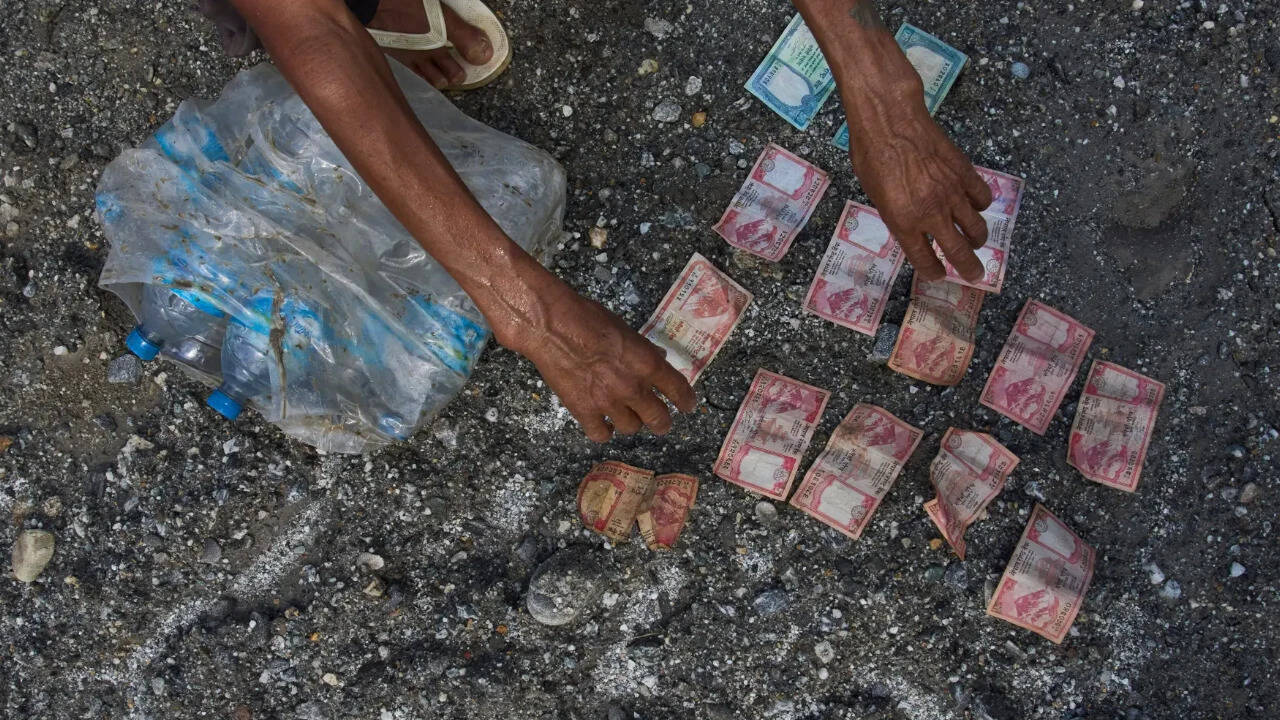
Morgues across districts like Chitwan are completely overwhelmed. Authorities have resorted to digging mass temporary graves in places like the Devghat forest because hundreds of recovered bodies are badly decomposed or impossible to identify without DNA testing. Meanwhile, fresh high-alert warnings are forcing emergency responders to pause operations as rising river levels threaten secondary surges.
The Race Against Time in Hydroelectric Tunnels
Rescue teams face an almost impossible logistical nightmare. More than 90 workers remain trapped inside dark, debris-blocked tunnels at hydropower construction sites like Trishuli 3A.
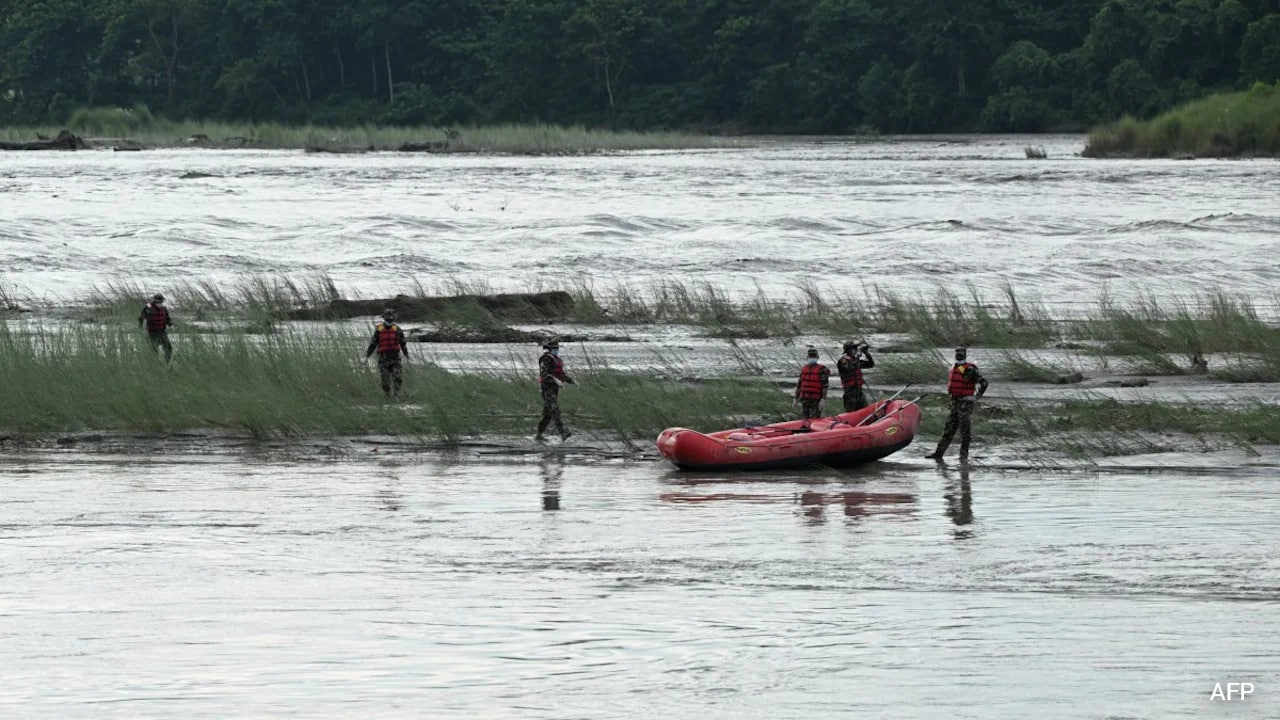
Soldiers and specialized international rescue squads have managed to push oxygen lines and narrow pipes into isolated pockets underground, hoping against hope that pockets of trapped workers survived the initial rush of water. Yet every hour counts, and continuous rain keeps complicating the search.
Infrastructure damage compounds the chaos. Major arteries like the Pasang Lhamu highway are severed, completely isolating districts like Rasuwa from essential supplies and heavy machinery. Drone footage reveals entire stretches of road wiped clean by the swollen Trishuli river. Local authorities are rationing fuel and relying on airdrops just to keep emergency medical teams supplied.
International Fallout and Missing Nationals
This disaster reaches far beyond local villages. The sheer volume of missing people includes hundreds of foreign nationals—tourists, spiritual pilgrims heading toward Tibet's Mount Kailash, and migrant laborers.
Governments from the United States and Australia to the United Kingdom are scrambling to track down scores of citizens who were trekking or working in the affected border zones. Foreign affairs departments report dozens of unaccounted-for nationals, prompting emergency diplomatic responses and millions in pledged aid.
The World Health Organization and the Red Cross have released emergency funds, but money alone cannot fix the immediate bottleneck: a severe lack of body freezer units, heavy-lift drones, and forensic kits needed to manage the scale of the tragedy.
Why Traditional Flood Warnings Fail Here
Mountain floods move too fast for old-school sirens. When a glacial lake outburst flood or rock-ice avalanche occurs, the lag time between the trigger and the impact is measured in minutes, not hours.
Scientists studying the event emphasize that high-altitude warming is destabilizing permafrost zones that have remained frozen for millennia. As these structural foundations thaw, catastrophic slope failures become much harder to predict. Traditional river gauges placed downstream are useless when the hazard originates from a collapsing mountain face miles above.
If you want to understand where disaster management has to go next, look at real-time satellite monitoring and acoustic sensors designed to detect rock fractures before they avalanche. Communities across the Hindu Kush Himalaya region are sitting downstream from ticking time bombs, and current early-warning systems are dangerously outdated.
Support grassroots humanitarian efforts currently operating on the ground in Nepal through established channels like the International Red Cross, or track official updates from the National Disaster Risk Reduction and Management Authority if you have family traveling in the region.