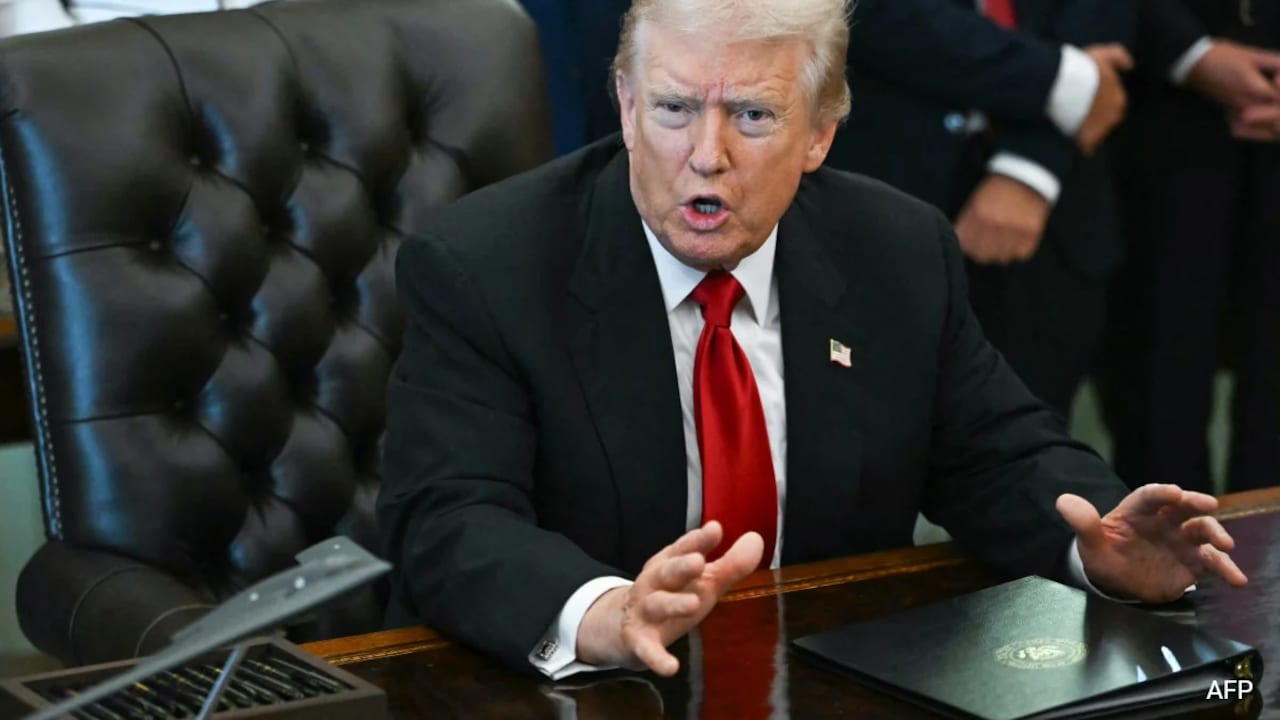
Donald Trump’s declaration that Washington will seize frozen Iranian money to compensate commercial shipping for Gulf attacks opens a legal and geopolitical minefield. On Truth Social, the president announced that any and all damages to vessels or cargo in the Strait of Hormuz will be extracted directly from Iranian assets under American control. While the policy appeals to hardline political rhetoric, maritime insurers, international lawyers, and global trade operators face an extraordinary precedent that threatens to upend sovereign immunity and global financial clearinghouse operations.
The Unprecedented Machinery of Asset Seizure
The White House statement sounded simple enough on paper. Washington holds billions of dollars in frozen Iranian foreign reserves locked inside American accounts or blocked across overseas clearing systems. Unilateral redirection of foreign central bank funds to private shipping conglomerates bypasses decades of established admiralty courts and international treaty frameworks.
Sovereign assets carry legal protection under customary international law. The Foreign Sovereign Immunities Act strictly limits how foreign state property inside the United States can be attached to civil judgments. Stripping those protections without formal judicial proceedings creates a volatile standard. Other nations could eventually cite the policy to confiscate American corporate assets abroad during future geopolitical disputes.
Navigational risk in the Strait of Hormuz has sent war-risk insurance premiums surging. Tanker owners faced skyrocketing operational costs as missile exchanges disrupted energy chokepoints across the Middle East. Shipowners want compensation for damaged hulls and lost cargo, yet maritime lawyers warn that payouts funded by executive decree rather than judicial awards could trigger endless counter-litigation in foreign jurisdictions.
The Financial Reality Behind Blocked Iranian Funds
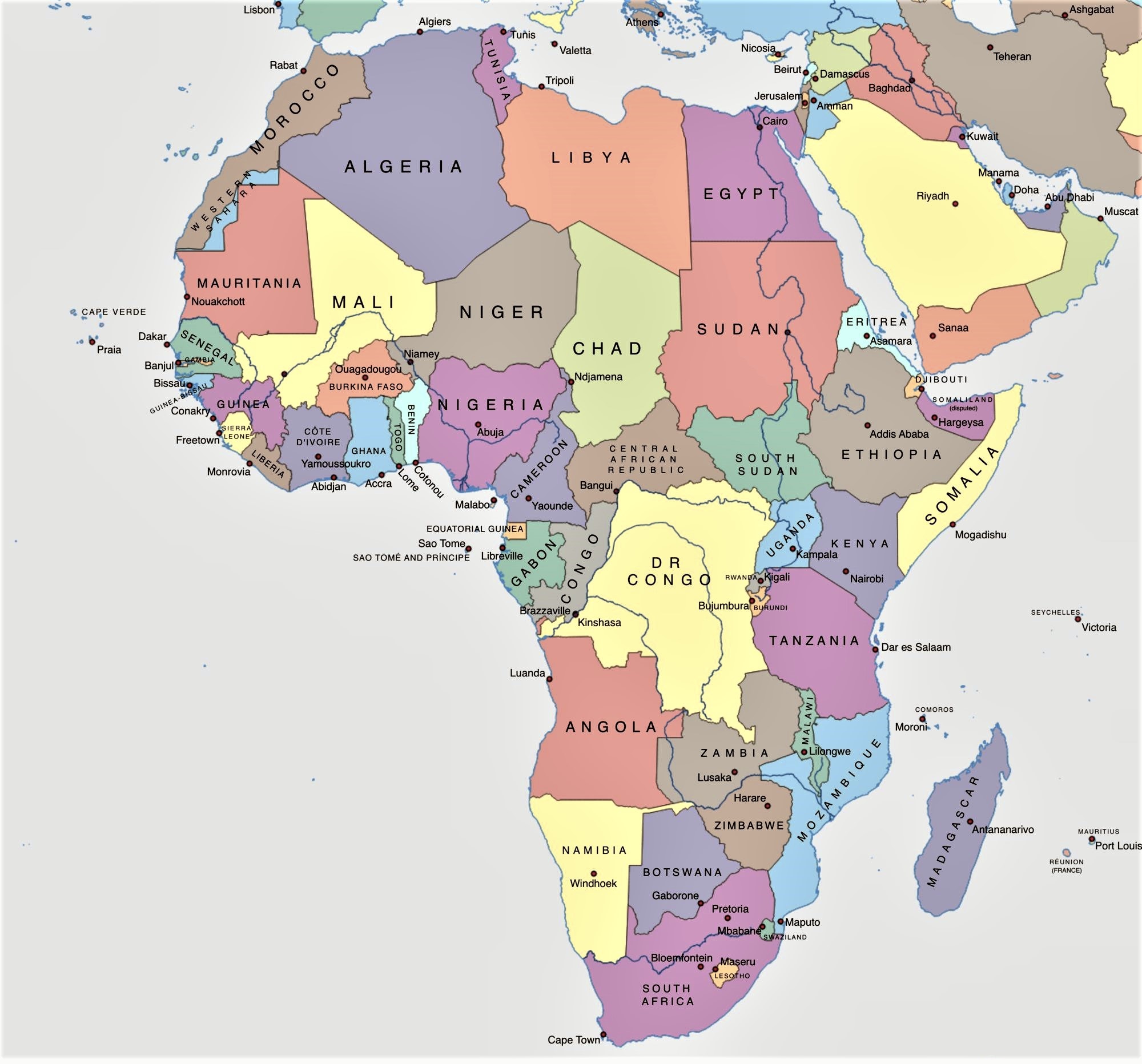
Washington does not hold an unlimited pile of liquid Iranian cash ready to be spent at will. Much of Tehran's offshore wealth sits frozen in third-party accounts located in South Korea, Iraq, Qatar, and China. Accessing those funds requires international cooperation and specific statutory waivers from foreign central banks.
+-------------------+---------------------------+---------------------------------+
| Location of Funds | Estimated Iranian Assets  | Current Legal Status            |
+-------------------+---------------------------+---------------------------------+
| Qatar             | $6 Billion                | Escrow restricted under MOU     |
| China             | $20 Billion               | Tied to energy accounts         |
| Iraq              | $6 Billion                | Restricted energy payments      |
| United States     | $2 Billion                | Direct treasury freeze          |
+-------------------+---------------------------+---------------------------------+
International banking networks run on predictable legal rules. If Washington forces foreign banks to transfer frozen Iranian deposits directly to private maritime victims, sovereign states may reconsider storing their reserves within Western financial institutions. Financial capitals in Asia and the Middle East could accelerate efforts to build alternative settlement mechanisms completely outside Western custody.
Diplomatic fallout will hit current peace talks immediately. Hardliners in Tehran already accuse negotiators of surrendering sovereign assets to foreign oversight under the temporary ceasefire framework signed in June. Forcing Iranian funds into American hands to cover commercial maritime losses effectively torpedoes any remaining trust needed to finalize a broader war-ending memorandum.
The Insurance Paradox on Global Trade Routes
Maritime insurers face an immediate dilemma. Commercial shipping lines rely on Protection and Indemnity clubs to cover vessel damage, environmental cleanup, and cargo loss. If the American government acts as an arbitrary payout office using seized sovereign money, the entire structure of marine insurance liabilities becomes unclear.
Insurance underwriters calculate premiums based on predictable risk models and legal recovery channels. A government payout mechanism funded by frozen assets introduces political volatility into commercial claims processing. If a shipowner accepts direct compensation from seized Iranian funds, that owner risks having their vessels detained or seized by Iranian naval forces under claims of unlawful confiscation.
Global trade demands stability over rhetoric. Converting frozen foreign reserves into an executive-managed compensation pool for private shipping companies might score immediate political points, but it destabilizes the legal foundation of international commerce.
The United States risks trading long-term international financial authority for a short-term political headline.