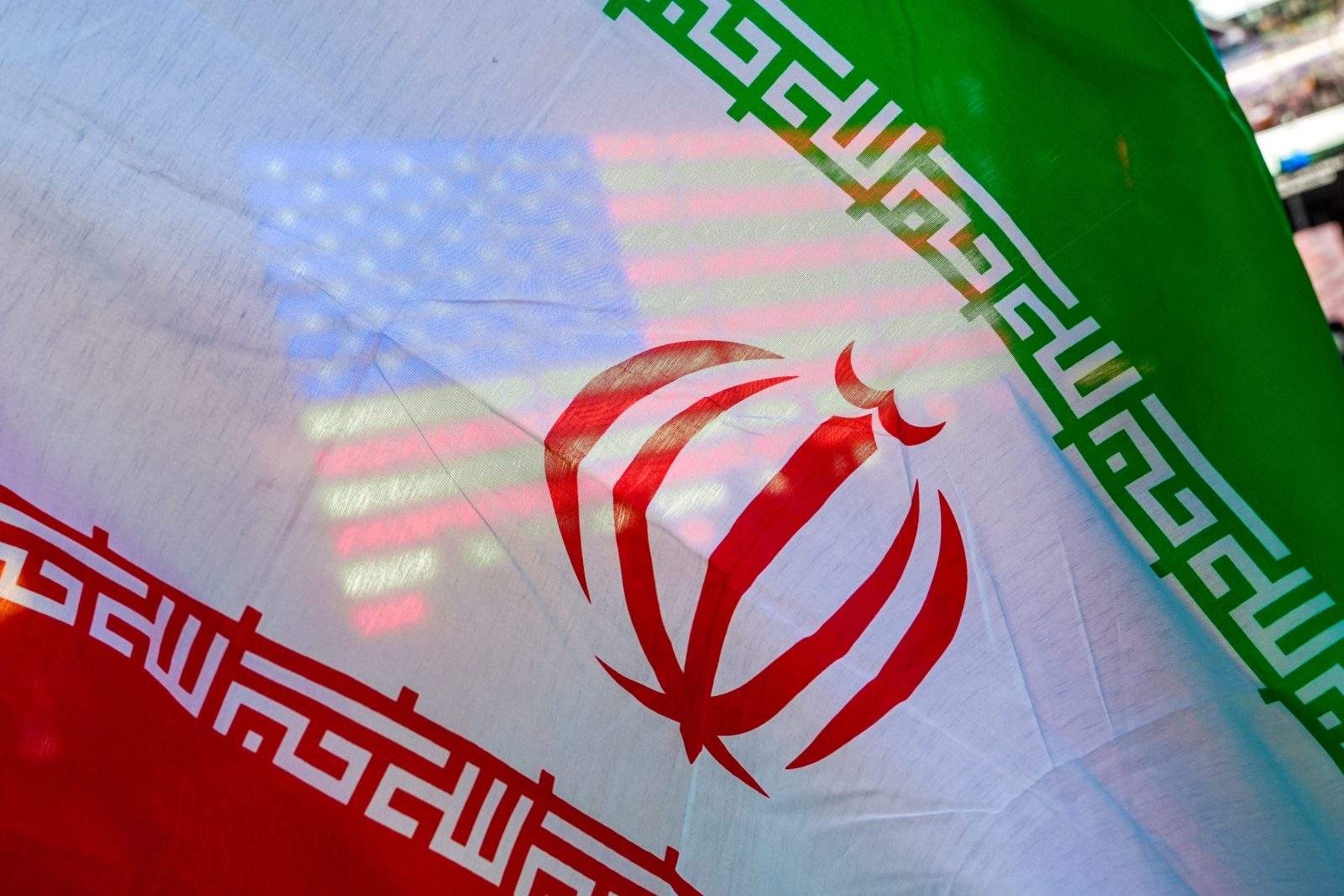
Media outlets frequently link domestic US election results directly to street protests abroad. When headlines such as NDTV's report on "Will Kill Trump" chants in Iran following a US midterm shift circulate, they often frame the event as a direct, immediate reaction to American voters. Political analysts and international relations scholars, however, point out that this framing oversimplifies both Iranian domestic politics and the actual mechanics of US foreign policy.
The assumption behind these headlines is straightforward. It suggests that foreign adversaries watch American congressional races closely and adjust their street-level rhetoric the moment a president's party loses seats. While that narrative generates clicks, it ignores how state-sanctioned demonstrations and factional politics actually operate in Tehran, as well as how little a midterm shift immediately alters executive authority in Washington.
The Myth of Immediate Foreign Policy Shifts
A common misconception in political coverage is that a president's party losing the midterms instantly weakens the executive branch's hand abroad. Under the US Constitution, the president retains primary authority over foreign policy, military command, and diplomatic negotiations regardless of which party controls Congress.
Congressional shifts do matter over time. A new majority can influence defense budgets, delay ambassadorial confirmations, or launch oversight hearings. Yet these institutional mechanisms move slowly. They do not change the day-to-day posture of US forces or existing sanctions regimes overnight.
Treating a midterm loss as an immediate green light for foreign adversaries misunderstands the separation of powers. Foreign ministries and intelligence agencies understand this distinction well, even when public-facing media coverage blurs the lines.
How Domestic Politics Drive Rhetoric in Iran
To understand why specific slogans appear in Iranian streets, observers have to look at Tehran's internal dynamics rather than Washington's election calendar. Analysts who study Iranian media and state-organized rallies note that slogans are rarely spontaneous reactions to foreign legislative races.
- Factional signaling: Hardline groups in Iran often use anti-American rhetoric to pressure moderate or pragmatic factions within their own government, particularly when economic conditions or domestic protests are straining public patience.
- State-organized messaging: Large rallies featuring coordinated chants are frequently organized by state-affiliated institutions to project strength and unity to a domestic audience.
- Historical continuity: Slogans targeting US leaders have been a fixture of Iranian state rhetoric for decades, appearing during both Democratic and Republican administrations.
When international outlets pluck a single chant from a rally and tie it to a US midterm result, they often mistake a long-standing domestic political tool for a brand-new geopolitical development.
What Readers Should Look For Instead
Evaluating international news coverage requires looking past the most provocative quote in the headline. When a report links a foreign event to a US election, several questions help clarify what is actually happening:
- Who organized the gathering? Spontaneous public protests carry a very different political weight than state-sponsored rallies.
- What is the domestic context? Economic pressures, local elections, or internal leadership debates usually explain the timing of a rally far better than an overseas vote.
- Are actual policy changes occurring? Rhetoric in the streets rarely translates into immediate shifts in diplomatic or military strategy.
Understanding the gap between loud headlines and slow-moving geopolitical realities makes it easier to separate genuine diplomatic shifts from routine political theater.