Glass towers scrape the gray sky of a European capital, while thousands of miles away, an office hums with the relentless energy of a subcontinent waking up to its own power. Between these two coordinates lies a quiet, enduring truth about how modern empires actually talk to each other. They do not shout from podiums. They sit across heavy wooden tables, drinking lukewarm water, deciding the price of tomorrow.
Let us step into a room that smells of fresh paper and expensive coffee. For a deeper dive into similar topics, we suggest: this related article.
Imagine, for a moment, the physical weight of a piece of paper signed in Geneva or Brussels. To a customs official in a bustling port, it is just a barcode. To a factory worker sweating over a microchip assembly line, it is an abstraction. But to Piyush Goyal and Xavier Bettel, meeting under the quiet weight of diplomatic expectation, that paper is a bridge.
Trade ministries are rarely romanticized. We picture gray carpets and bureaucrats shuffling folders about tariffs. Yet, beneath the sterile vocabulary of bilateral economic ties, pulses something intensely human. It is the ambition of a small European nation punching far above its weightclass in finance and specialized logistics, meeting the unstoppable momentum of India's demographic and digital surge. For further context on this development, comprehensive reporting can be read at Forbes.
When ministers meet, the public expects pyrotechnics. They want headlines about billions changing hands in a single afternoon. Reality is far more stubborn, and far more interesting.
Consider what happens next in an average trade negotiation. A minister looks at a counterpart not across an ideological divide, but across an arithmetic puzzle. How do you move capital freely between a nation of over a billion digital-first consumers and a heartland of European banking expertise without getting choked by red tape? How do you protect local industries while inviting the gale-force winds of global competition?
These questions sound dry. They are not. They determine whether a young engineer in Pune finds funding for her green-energy startup, or whether a family-owned logistics firm in Luxembourg expands its footprint into the Indo-Pacific.
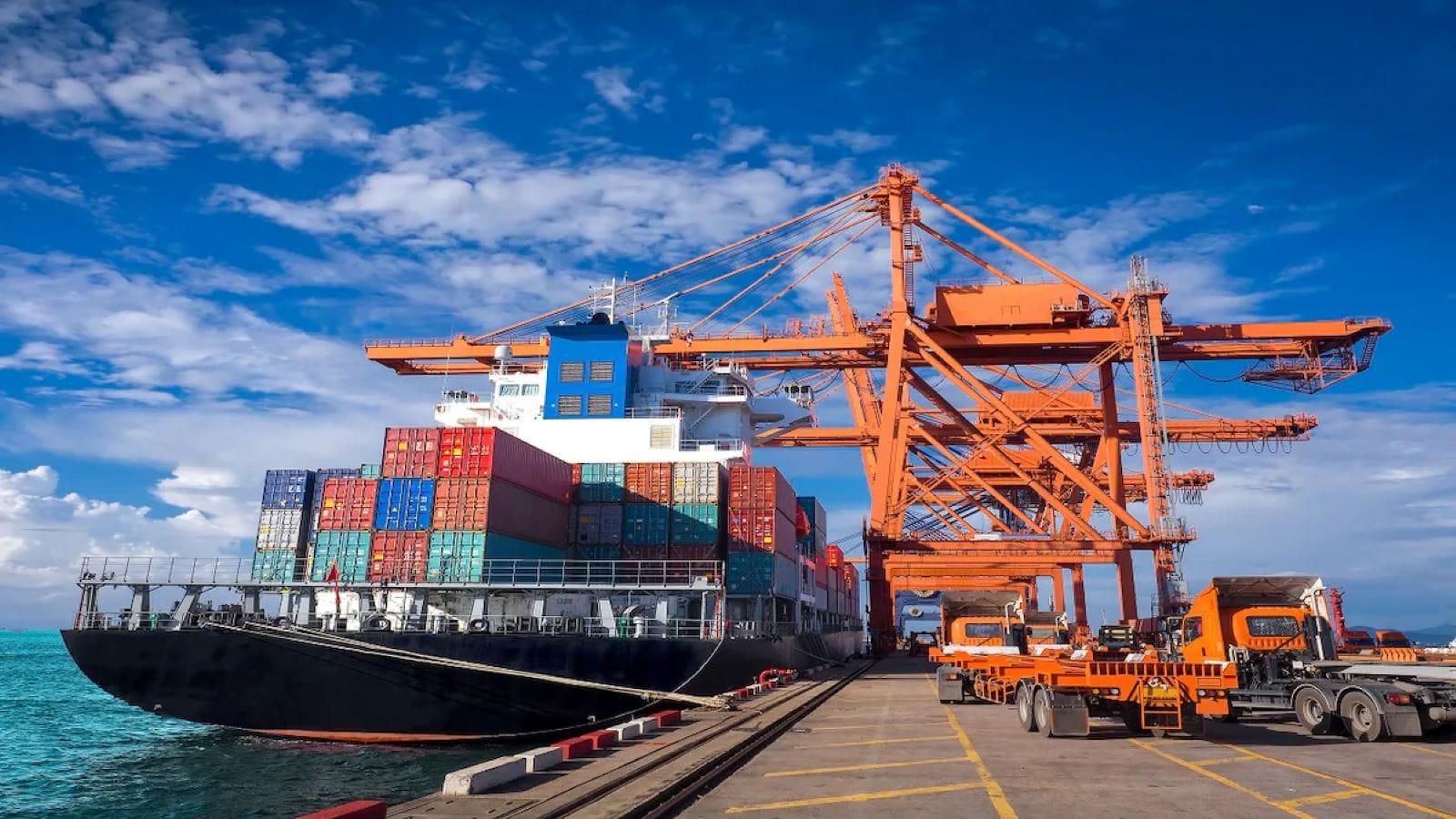
I have watched policy papers turn into rusted steel containers on cargo ships. I have stood on docks where the paperwork lagged behind the physical reality by three crucial weeks, stranding perishable goods and broken promises. That friction is what these men were trying to dissolve.
Luxembourg is smaller than many districts in Mumbai, yet its financial arteries reach deep into the global economy. India is a continent disguised as a country, moving at breakneck speed toward manufacturing and technology dominance. When their leaders converge, it is an exercise in scale meeting precision.
Bettel brings the agility of a sovereign state that had to reinvent itself after the steel mills cooled down, pivoting toward data centers, space mining, and private equity. Goyal brings the sheer gravitational pull of a market that refuses to slow down, demanding infrastructure, green transitions, and open channels for its brightest minds.
They discussed numbers, yes. Gross domestic product percentages, foreign direct investment inflows, tax treaties, and supply chain redundancies. But numbers are merely the language used to measure trust.
Trust is a fragile commodity in a fractured world. We live in an era where borders are hardening, where supply chains are weaponized, and where every nation is suddenly remembering how to manufacture its own medicine and microchips. In this climate, choosing to double down on bilateral ties is a minor act of defiance. It is a bet on cooperation over isolation.
Picture an invisible thread stretching from the grand ducal palaces of Western Europe to the bustling corridors of New Delhi. Along that thread travel billions of dollars, yes, but also ideas, regulatory frameworks, and intellectual property. When those regulations harmonize, friction vanishes. A transaction that once took months of legal wrangling clears in seconds.
That is the hidden engine of global prosperity. Not the grand speeches at international summits, but the quiet compromises made in back rooms by people whose names never trend on social media.
We often forget that economies are made of people trying to feed their families and build something that outlives them. Every trade agreement is a collective bet on human ingenuity.
When the cameras stopped flashing and the briefcases were zipped shut, the real work began. The diplomats returned to their desks. The analysts ran their models. The cargo ships kept moving through the dark water.
A handshake does not change the world overnight. But it alters the trajectory by a fraction of a degree. And over thousands of miles, that fraction makes all the difference.