Sirens. Always sirens first.
Then comes the smell of crushed thyme and scorched diesel, hanging low over a hillside where olive trees have stood longer than the borders drawn around them. You do not forget the sound of a glass pane giving way on a cool autumn evening when your children are supposed to be practicing multiplication tables on the linoleum floor.
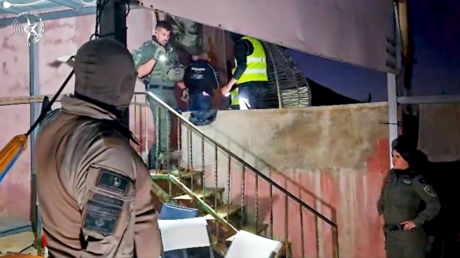
I have stood on terraces in the West Bank after nightfall when the air felt charged like static right before lightning. You listen to the distant bark of dogs, the low hum of a patrol vehicle idling on a gravel track, and the sudden, sharp crack of a stone or a shout that carries too far in the thin highland air. When a headline arrives the next morning—a neat, compressed sentence announcing that authorities have made arrests following settler violence after diplomatic outcry—it reads like a bandage slapped over a ruptured pipe.
Clean. Contained. Almost reassuring.
Except anyone who has spent time near these flashpoints knows that an arrest is a moment, not a cure. A diplomatic outcry is a gust of wind through dry grass. The real story lives in the hours before the handcuffs click shut and in the long, quiet ledger of what remains broken when the cameras pack up and drive away.
The Architecture of a Flashpoint
To understand why a single flare-up can rattle capitals thousands of miles away, you have to strip away the shorthand of cable news. News dispatches love tidy cause and effect: an attack happens, foreign ministries release stern statements, police detain suspects, and the ticker moves on.
Reality is messier. It moves in slow, grinding friction.
Consider a hypothetical family—let us call them Tariq and Layla, living on the edge of a village near Nablus, though their story mirrors dozens of households across the occupied West Bank. This is a composite, fictionalized portrait built from documented patterns on the ground rather than a single real-life incident. In Tariq’s world, a grove of silver-green olives is not a scenic backdrop for a travel magazine. It is a pension plan, a wedding fund, a seasonal rhythm that has anchored his family for generations. When masked assailants descend from an unauthorized outpost or a rocky ridge, torching vehicles or pelting homes with stones, the damage is measured in seconds. Replacing a smashed windshield or replanting scorched saplings takes months of scraped-together wages.
Now step across the ridge into a hypothetical settlement household—say, young Daniel, a twenty-something newcomer drawn by ideological fervor or promises of cheap housing and spiritual duty. Again, a hypothetical lens to illuminate human mechanics. Daniel may view the surrounding terrain through a lens of biblical destiny and existential fear, shaped by sermons, group chats, and memories of past attacks on Israelis. When radical fringes among settlers lash out—vandalizing property, blocking roads, assaulting residents or activists—the spark often ignites in spaces where state presence has historically been thin, uneven, or reactive.
Here is the paradox that leaves even seasoned observers shaking their heads. Why do arrests so often follow after foreign capitals raise their voices?
Law enforcement in contested territory rarely operates in a vacuum. Israeli security forces juggle counterterrorism operations, crowd control, volatile checkpoints, and domestic political pressures all at once. Historically, critics—including human rights monitors, legal watchdogs, and sometimes Israeli officials themselves—have pointed to low indictment and conviction rates in cases of settler attacks against Palestinians, alongside friction between police investigators, military commanders, and local communities. When international pressure spikes—when ambassadors summon envoys or Washington, Brussels, or neighboring capitals warn of escalatory fallout—the political calculus shifts overnight. Suddenly, visibility becomes leverage. Detentions happen. Statements are issued. Order is seen to be restored.
Yet detentions are not prosecutions. Arrests are not convictions. And a press release from a ministry rarely heals a shattered window or restores trust that has been eroding for decades.
What Diplomatic Outcry Actually Moves
Foreign diplomats speak in a language of measured alarm. Phrases like deeply concerned, unacceptable escalation, rule of law, and accountability fill press briefings from New York to Geneva to Amman.
To someone sitting in a ministry building in London or Tokyo, those words carry weight. They signal alliances, trade sensitivities, and strategic patience wearing thin.
To someone sweeping shattered glass off a doorstep at midnight, diplomatic phrasing can feel weightless. Like watching clouds gather over a drought.
Still, dismissing diplomatic outcry entirely would be a mistake. Think of international pressure like water pressing against a dam. A single drop does nothing. A steady rise tests every seam in the structure. When allies warn that unchecked violence undermines regional stability, risks igniting wider unrest, or complicates diplomatic tracks in the Middle East, governments in Jerusalem pay attention—not always out of affection for foreign critics, but out of cold statecraft. No government wants diplomatic isolation compounding security headaches on multiple fronts.
The catch is timing and consistency. Outcry that flares up only when viral video shocks the world and fades once the headlines cool teaches a quiet lesson to everyone watching: accountability is episodic. When enforcement feels selective or reactive rather than routine and blind to identity, faith in institutions fractures even further.
And when faith in institutions fractures, everyone loses footing.
The Invisible Ledger
Let’s talk plainly about what is hard to grasp from afar. Even people who follow Middle Eastern politics closely sometimes stumble over the overlapping layers of authority in the West Bank. Area A, Area B, Area C. Civil administration, military law, police jurisdictions, outpost legal statuses. If your head spins trying to keep track of who answers to whom on a given hillside, you are in good company. I have watched veteran reporters double-check maps before going live because a single misnamed junction or misunderstood mandate can distort the entire picture.
Confusion is not a flaw in the reader; it is a feature of a fractured reality.
When you strip away legal jargon, the human cost reduces to three quiet currencies:
- Predictability. The ability to know that if you lock your door and go to sleep, your home will still be standing in the morning.
- Livelihood. The assurance that your work—whether harvesting crops, driving a delivery van, or running a small shop—will not be wiped out by forces beyond your control.
- Dignity. The basic human right not to be treated merely as a statistic, a bargaining chip, or a security problem.
When settler violence erupts, all three currencies devalue at once. A farmer hesitates to walk out to distant terraces. A family keeps children home from school because a road might be blocked or stones might fly. Even neighboring Israeli communities can feel the reverberations when lawlessness goes unchecked: if vigilante violence is tolerated in one corner of a territory, the rule of law itself grows brittle everywhere.
A wise observer once compared a fragile peace to fine porcelain passed from hand to hand in a crowded room. Everyone means well, mostly, or everyone is just trying to get across the floor without getting bumped. One careless elbow, one moment of panic, and the sound of cracking silences the whole room.
That is a metaphor, of course—a way to picture how delicate public order becomes when trust is already thin. Porcelain cannot bleed. People do.
Why Arrests Alone Rarely Close the Loop
Imagine you are a detective handed a case file after a night of chaos. Smoke has cleared. Footprints are scuffed over by dozens of boots, tires, and onlookers. Phones are turned off or wiped. Witnesses are terrified of retaliation, or they have already seen too many investigations quietly shelved to believe anything will come of giving a statement.
Even when police move swiftly and make arrests—rounding up suspects suspected of throwing rocks, setting fires, or assaulting residents—the legal road ahead is steep. Gathering admissible evidence in tense, disputed terrain is grueling work. Suspects may be released pending investigation, given light bail conditions, or face charges that are later narrowed. Meanwhile, the community on the receiving end watches the calendar and wonders whether justice will look like closure or like a revolving door.
Consider what happens next if arrest numbers spike for forty-eight hours and then drop back to a trickle. Skepticism hardens into cynicism. On one side, critics argue that arrests are cosmetic theater meant to quiet foreign capitals without confronting root causes or dismantling illegal outposts. On the other side, hardliners may decry any crackdown on fellow citizens as betrayal or overreach, stoking internal political friction inside Israel itself.
Caught in the middle are ordinary people trying to live ordinary lives.
A mother calming a trembling child. A shopkeeper tallying losses on a notepad. A young soldier stationed at a junction, ordered to keep a lid on a powder keg with rules of engagement that shift with every political wind.
You cannot arrest your way out of a structural conflict. Arrests can interrupt a crime. They can deter a fence-sitter. They can signal that a red line was crossed. What they cannot do on their own is erase decades of grievance, resolve competing claims to land and sovereignty, or build a shared sense of safety where one group’s security does not depend on another’s humiliation.
The Weight of Watching From Afar
It is easy from thousands of miles away to turn a complex, painful conflict into a morality play with neat heroes and villains. Comforting, too. Righteous anger feels warm when the cold reality isn't pressing against your own front door.
I try to resist that temptation, even when—especially when—the footage makes my stomach turn. Real life in the Levant rarely fits inside a slogan. Behind every headline about settler violence, diplomatic outcry, and subsequent arrests lies a web of history, fear, faith, politics, and survival that demands patience rather than easy certainty.
Ask yourself what kind of future any of us should hope for in a region already stretched to its limit. A cycle of provocation, outrage, token restraint, and renewed anger is not a strategy. It is a treadmill that leaves everyone exhausted and no one safer.
True accountability requires more than a press release timed to soothe an ally. It requires steady, transparent enforcement before a crisis hits the front pages, not merely after foreign pressure mounts. It requires leaders willing to confront extremism within their own ranks rather than treating it as a useful shield or a nuisance to manage quietly. And it requires international partners who match rhetoric with sustained, clear-eyed engagement rather than short bursts of indignation.
Without that, the script repeats.
A spark on a hillside. Smoke rising against a pale sky. Angry voices echoing in distant embassies. Handcuffs clicking shut in the cool morning light.
And then the long, quiet wait to see where the next spark will fall.
Night settles fast over the hills once the sun dips behind the ridge. Somewhere a shutter bangs in the wind, a dog barks once into the dark, and a family leans against the door, listening for footsteps that shouldn't be there.