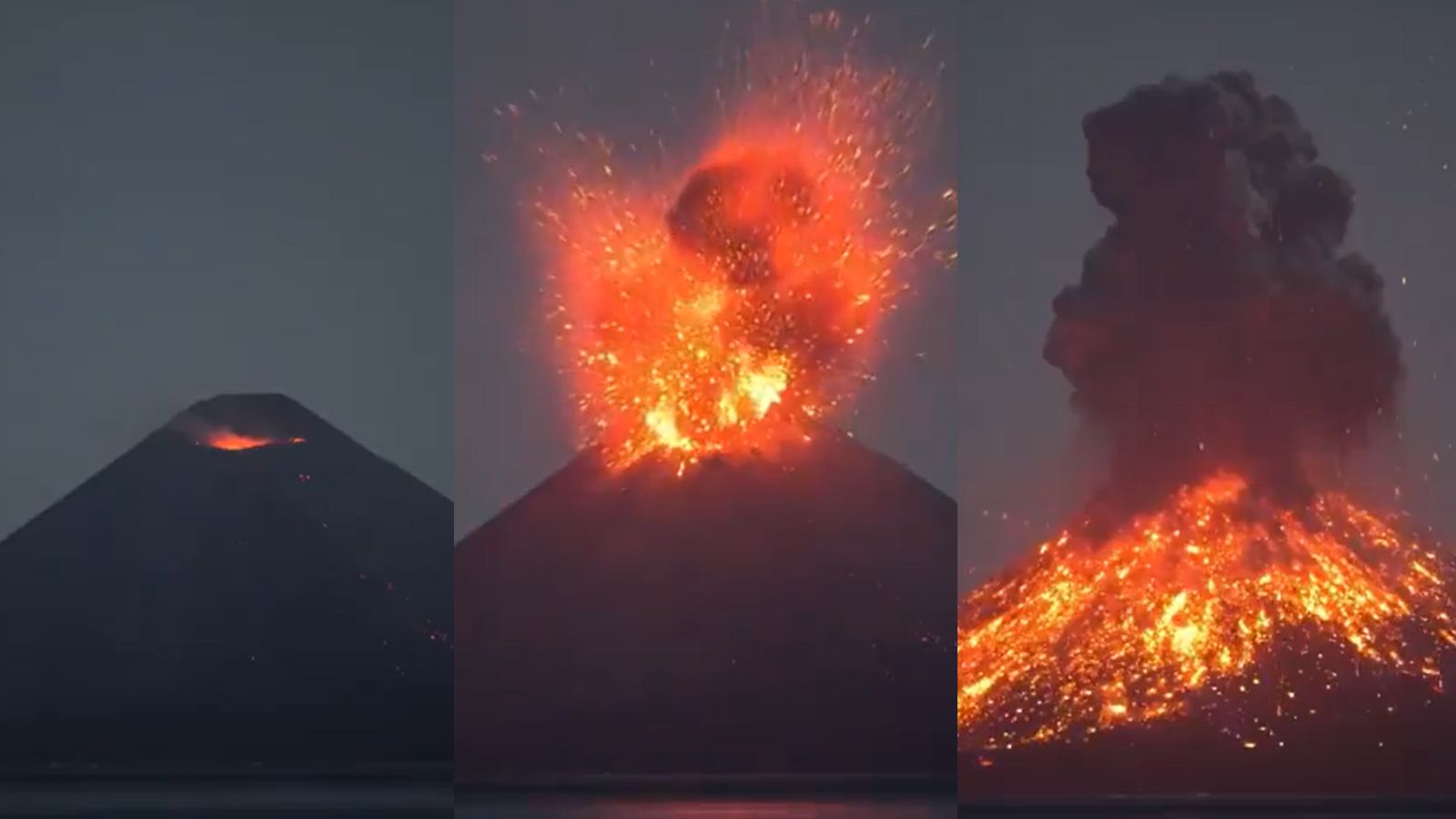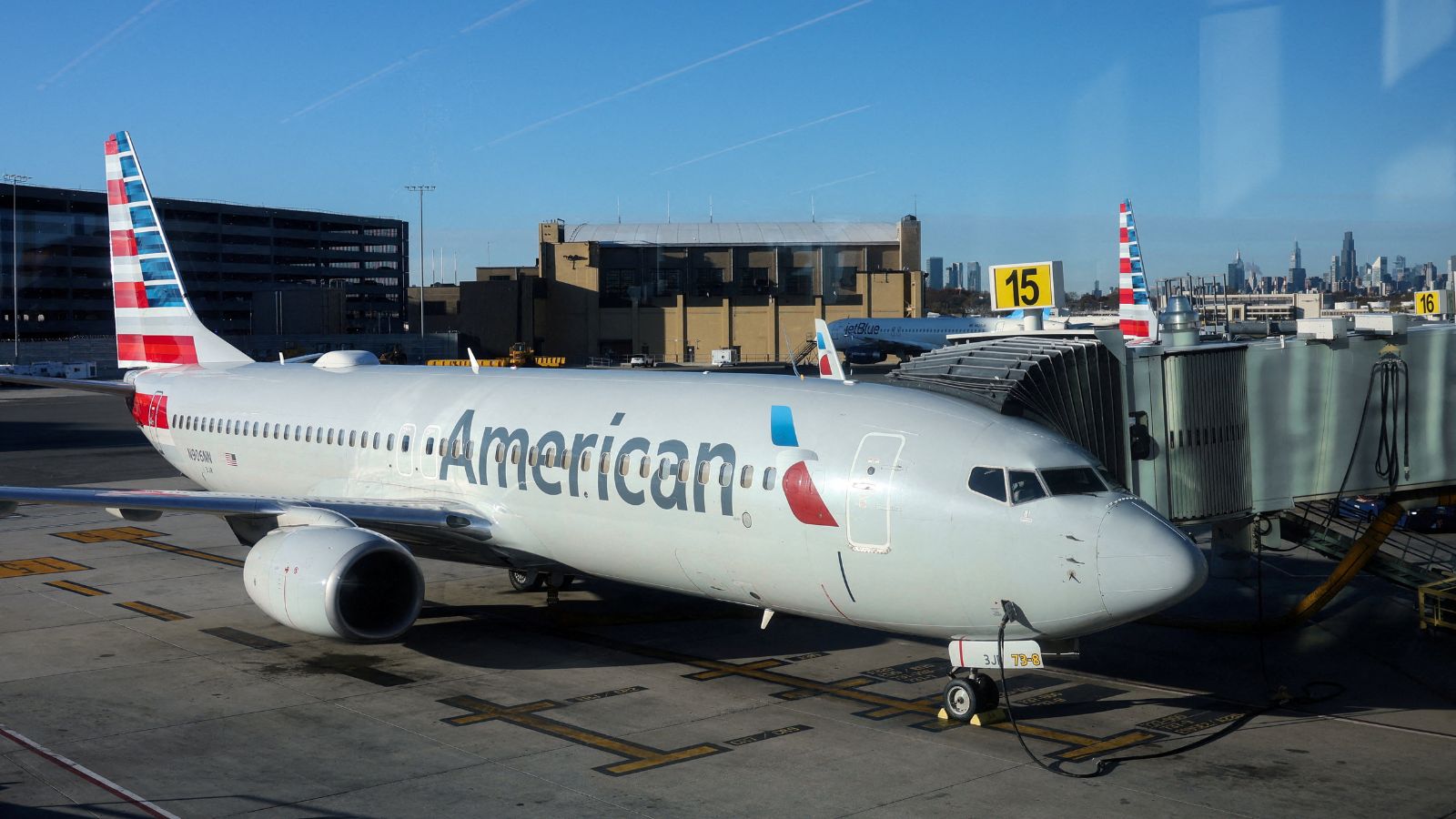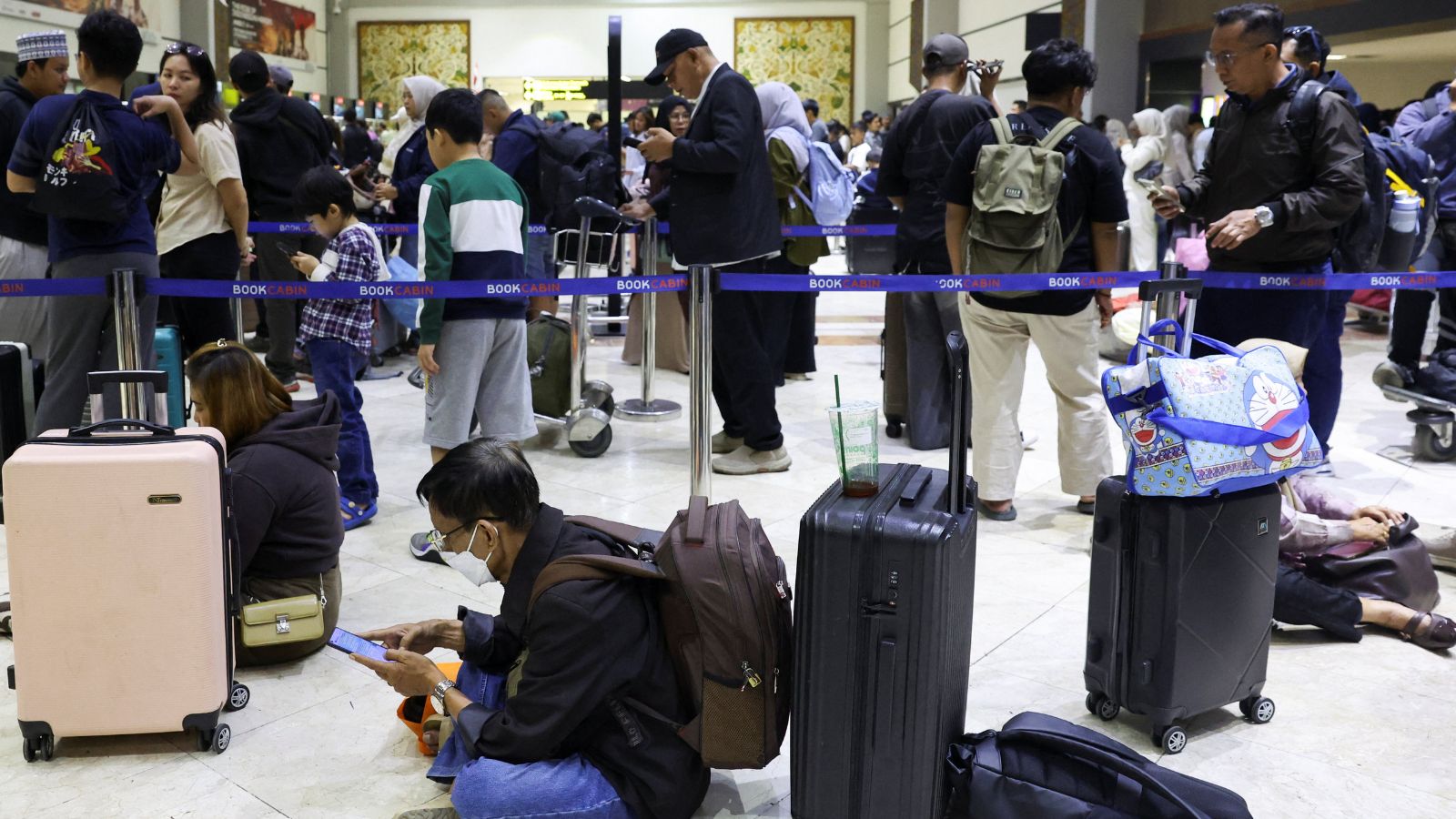
Every time an Indonesian stratovolcano coughs up some ash, aviation authorities lose their minds. The headlines write themselves: airports shut, flights grounded, terrified tourists stranded, millions lost. The lazy consensus says we are prioritizing safety over commerce, exercising an abundance of caution in the face of nature's wrath.
It is completely backwards.
What we are actually witnessing is systemic overreaction dressed up as risk management. Modern aviation runs on automated panic. When Anak Krakatau blows its top, regulators do not look at localized wind vectors, actual turbine ingestion thresholds, or real-time density metrics. They look at a liability checklist, draw a massive red circle on a map, and shut down eight airports because it looks good in a press release.
I have spent two decades analyzing aviation risk frameworks, and I have seen regulators blow billions in economic capital on ghost hazards while ignoring actual mechanical realities. Volcanic ash is dangerous, yes. But treating every microscopic plume as an extinction-level event for jet engines is lazy, bureaucratic cowardice.
The Myth of the Universal Ash Ban
The entire panic stems from a 1989 incident over Mount Galunggung, where a British Airways Boeing 747 flew into an unmapped ash cloud and temporarily flamed out all four engines. It was a terrifying ordeal. But aviation safety regulators took the wrong lesson from it. Instead of building precise detection and avoidance protocols, they instituted a zero-tolerance policy that treats all ash clouds as identical soup.
Real engineering data tells a different story. Volcanic ash is not a uniform hazard. It is pulverized rock, and its abrasiveness depends entirely on particle size, mineral composition, concentration, and engine operating temperatures. Modern high-bypass turbofan engines handle low-concentration, fine-grained ash far better than legacy powerplants did in the late twentieth century.
Yet, when Anak Krakatau erupts, the International Civil Aviation Organization advisory centers and local authorities issue broad edicts that ground everything with wings. They assume every cubic meter of airspace near the Sunda Strait is a blender ready to shred titanium turbine blades.
It is an administrative cop-out. Grounding flights is safe for the regulator's career, but it is devastating for regional supply chains, local tourism economies, and intelligent risk calculation.
Why the Safety First Argument Falls Apart
The knee-jerk defense from aviation boards is always the same: "You cannot put a price on human life."
Spare me the melodrama. Every human activity involves calculated risk. We do not shut down entire highway networks every time it rains, even though hydroplaning kills thousands annually. We implement speed limits, require better tires, and train drivers.
When it comes to volcanoes, aviation reverts to medieval superstition.
Let us look at the operational reality. Ash dispersion modeling is notoriously fickle. Volcanic Ash Advisory Centers rely on satellite imagery and predictive wind algorithms that often lag hours behind atmospheric conditions. By the time an airport closure order is signed and enforced, the actual plume may have drifted fifty miles north, leaving clear, pristine air over the tarmac.
Yet the airport stays locked down. Why? Because lifting a restriction requires courage, data analysis, and accountability. Maintaining a ban requires nothing except bureaucratic inertia. If a flight goes up and encounters zero ash, nobody complains. If an airport reopens early and a single windshield gets pitted, heads roll. So the system is rigged to maximize downtime.
"Aviation safety has devolved into a liability shield for bureaucrats who confuse compliance with competence."
The Real Cost of Excessive Caution
The economic collateral damage of shutting down eight Indonesian airports over minor seismic activity is staggering. Indonesia is an archipelago nation where air travel is not a luxury; it is the primary circulatory system for commerce, medical transport, and perishable goods.
When you halt operations around the Sunda Strait because Anak Krakatau is venting steam and ash, you strangle local economies instantly. Farmers cannot get produce to market. Patients needing emergency medical evacuation are left stranded. Inter-island supply chains fracture.
And for what? To protect planes from invisible, non-existent concentrations of glass dust miles away from the active vent?
Airlines bleed cash while parked on tarmac asphalt. Crews time out. Maintenance schedules derail. This financial bleeding ripples outward, hiking ticket prices and punishing consumers who are forced to foot the bill for systemic risk aversion.
How to Fix Volcanic Airspace Management
If we want to drag aviation safety into the modern era, we need to dismantle the zero-tolerance dogma. Here is how actual intelligence replaces theater:
- Deploy In-Situ Laser Sensors: Instead of relying on blurry satellite photos from three hours ago, equip lead inspection aircraft or dedicated drone fleets with forward-facing infrared and lidar sensors to map real-time ash density.
- Tiered Airspace Restrictions: Stop using binary open-or-closed binary states. Create dynamic, altitude-specific corridors that allow modern turbofans to route around low-level drift zones safely.
- Manufacturer-Led Thresholds: Let engine manufacturers—Rolls-Royce, GE, Pratt & Whitney—set operational thresholds for specific ash particle loads, rather than leaving flight bans in the hands of risk-averse civil servants.
The earth is going to keep shaking. Anak Krakatau is not going to apologize for erupting. The only variable we control is our response to it.
Stop cheering for the precautionary principle when it is just a mask for paralysis. Next time a volcano blows and the authorities clear the skies out of panic, demand the data. They won't have it.