The shovels hit the dirt long before the heart stops beating.
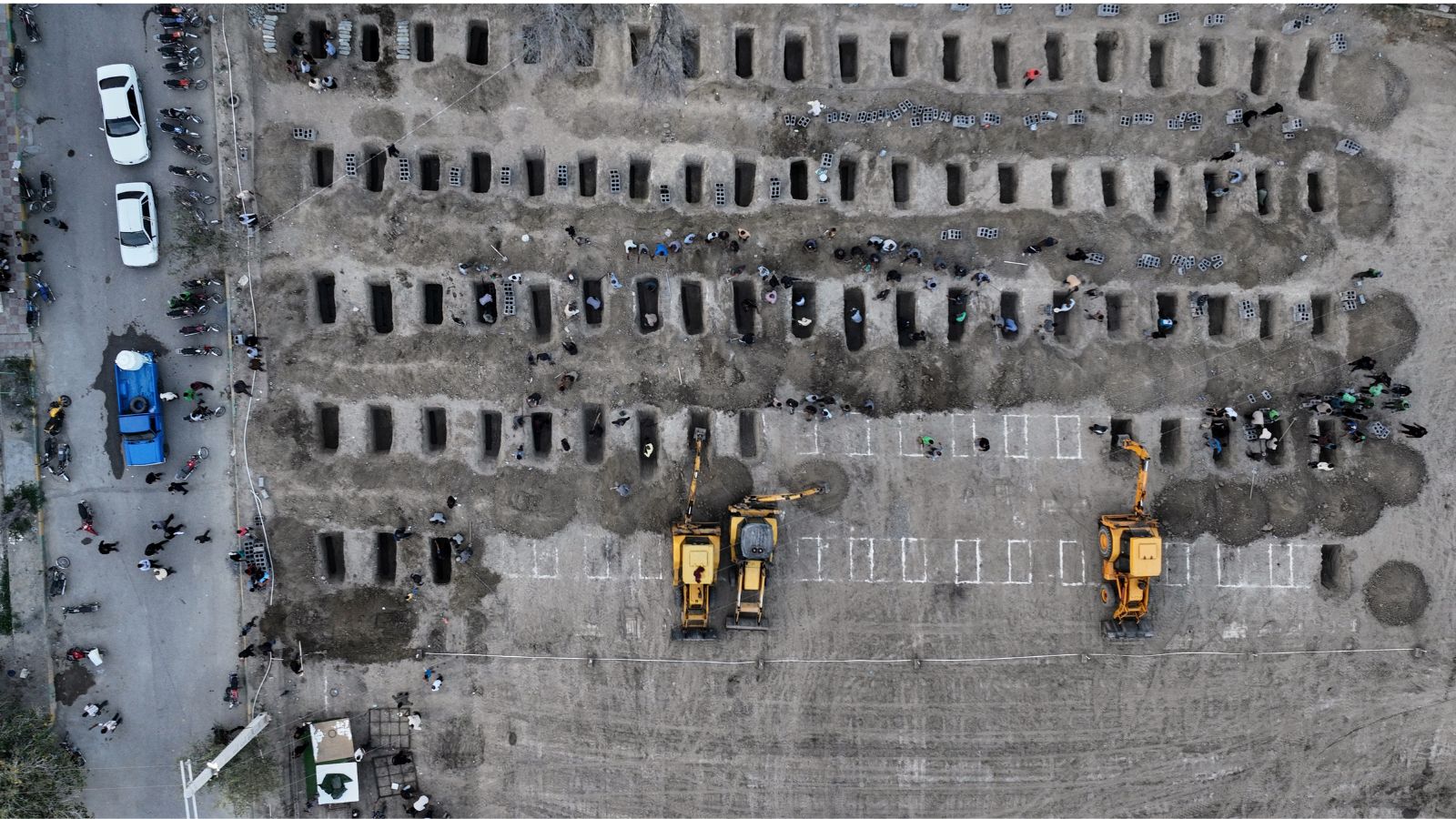
In the dry, sun-baked earth outside Tehran, the excavation is quiet, rhythmic, and devastatingly vast. Row after row, trenches are cut into the ground, dark rectangles carved into the dust. To a casual observer, it looks like the preparation for a catastrophic conflict or the aftermath of a natural disaster. But it is neither. It is bureaucracy operating at its most chillingly pragmatic. It is the logistical calculation of grief.
When a nation prepares for the passing of a figure who has defined its modern existence for nearly four decades, the planning cannot afford sentimentality. Supreme Leader Ali Khamenei has stood at the absolute center of Iranian power since 1989. For millions of Iranians, he is the only ruler they have ever known. His eventual departure from the stage is not just a political transition; it is an impending seismic shift that will pull millions of bodies into the streets of the capital.
And that is exactly what the planners fear.
Consider the sheer weight of a crowd that size. When Ayatollah Ruhollah Khomeini died in 1989, an estimated one-sixth of the entire population of Iran flooded the capital. The streets became rivers of black cloth and outpourings of raw emotion. The chaos was absolute. The coffin was swarmed, the shroud torn by mourners seeking a sacred relic, and the funeral had to be halted as helicopters tried to clear the human tide. Dozens died in the crush. Decades later, when General Qasem Soleimani was buried in Kerman, the emotional flashpoint triggered a stampede that left more than fifty dead and hundreds injured.
History repeats itself, but logisticians try to build dams against the flood.
The Physics of Deep Mourning
Imagine a young man named Amir living in the heart of Tehran. He is twenty-four, working a precarious job, navigating the crushing weight of economic sanctions and social restrictions. He does not remember a time before the current regime. For Amir, the impending funeral is not just a news headline; it is a physical event that will lock down his neighborhood, shut down communication networks, and fill the air with an overwhelming, unpredictable energy.
When millions of people gather in a single urban space, humanity ceases to act as individuals. It becomes a fluid. It obeys the laws of hydraulics. If a rumor spreads, a pressure wave ripples through the crowd. If someone trips, a vacuum forms, and hundreds can be crushed under the weight of those behind them.
The Iranian authorities understand this physics all too well. The thousands of extra graves being prepared in cemeteries like Behesht-e Zahra are not a prediction of war or a sudden purge. They are a terrifyingly practical contingency plan for the sheer velocity of public mourning.
The math is simple, cold, and inescapable. If millions of people descend on Tehran, even a fraction of a percent experiencing medical emergencies, heatstroke, or crowd crush translates into thousands of casualties. The state is building the infrastructure of death before the event even arrives, ensuring that the system does not collapse under the weight of its own tragedy.
The Invisible Stakes Behind the Gates
Beyond the physical danger of the streets, an entirely different kind of tension thickens the air in Tehran. A transition of this magnitude is a fragile window. Power vacuums are dangerous things, particularly in a region wound as tight as a coiled spring.
While the crowds mourn or watch in silence, the real movement happens behind closed doors. The Assembly of Experts, the body tasked with choosing the next Supreme Leader, will meet in a state of high alert. The preparation of the graves is a public signal of control, an assertion that the state remains organized, hyper-vigilant, and prepared for any eventuality—including chaos.
For the average citizen, the sight of these mass preparations evokes a complex mixture of dread and uncertainty. What happens the day after? When the crowds disperse, the tear gas clears, and the new leader takes the oath, what kind of country is left behind?
The country is young. The majority of Iran’s population is under the age of forty. They are connected to the outside world through VPNs and satellite dishes, fully aware of what lies beyond their borders. The tension between a rigid, aging leadership and a young, restless populace is the true undercurrent of this entire logistical operation. The graves are a physical manifestation of a system that prioritizes control above all else, preparing for the worst-case scenario to ensure its own survival.
The Quiet After the Shovels Stop
Walk through the expansion zones of the cemetery today, and the silence is deafening. The wind whips across the open trenches, kicking up dust that settles over the neatly dug rows. It is an unsettling monument to a future event, a theater waiting for its curtain to rise.
The international community watches these preparations through satellite imagery, analyzing the coordinates and counting the plots, trying to read the tea leaves of a closed society. But the true story isn’t found in the satellite pictures. It is found in the kitchens of Tehran, where families speak in hushed tones about the future. It is found in the eyes of the workers digging the earth, wondering whose names will eventually occupy the spaces they are carving into the dirt.
A nation cannot hold its breath forever. The preparations are a reminder that even the most enduring regimes must eventually bow to the passage of time. When that day comes, the true test will not be how well the state managed the graves, but how it manages the living who remain.