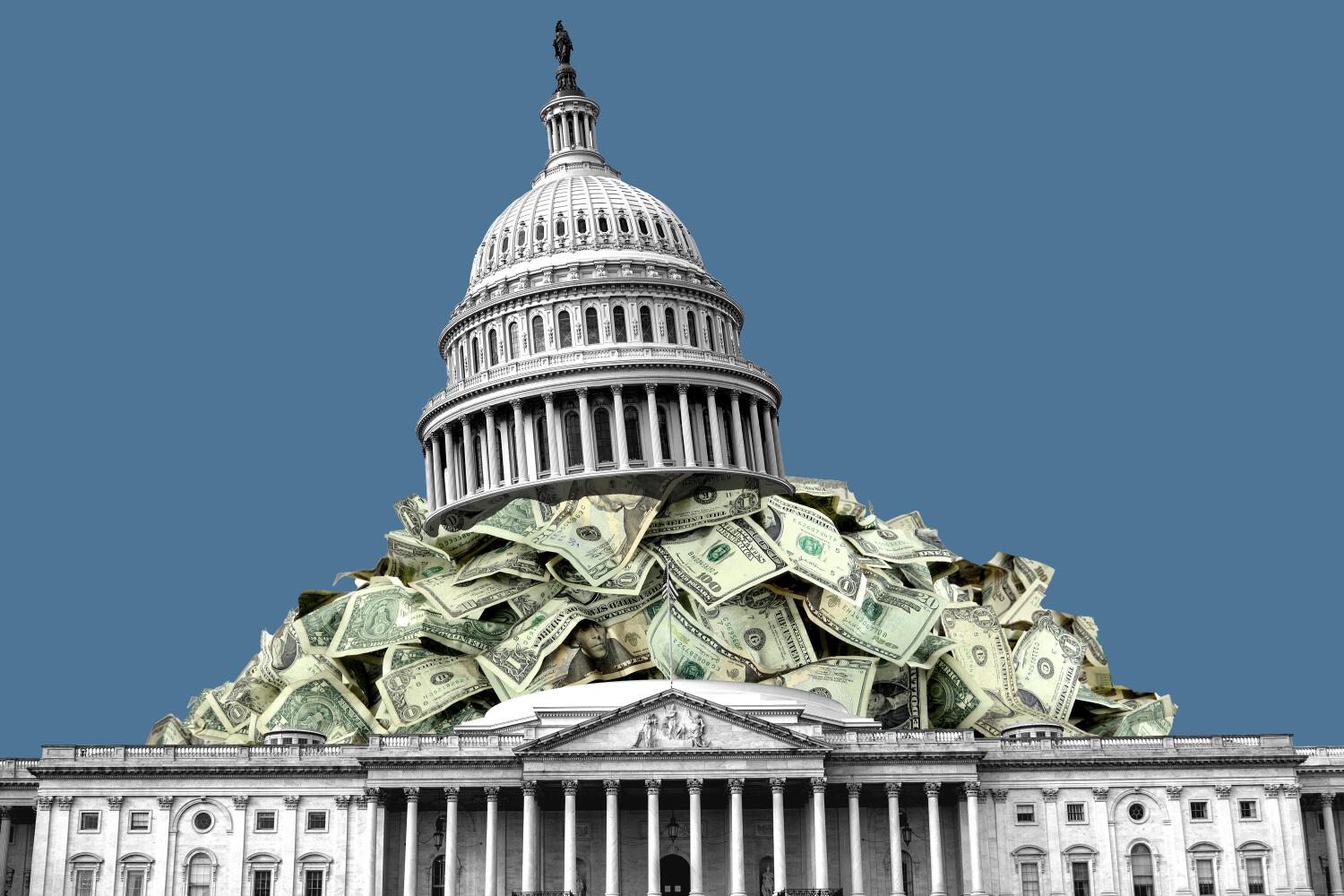
California is not running out of billionaires, despite the persistent narrative that high taxes and regulatory friction are driving a terminal "wealth flight." While high-profile exits like Elon Musk and Larry Ellison grab headlines, the underlying fiscal reality of the Golden State remains anchored by a massive, growing concentration of ultra-high-net-worth individuals who stay because the state’s economic ecosystem is functionally irreplaceable. The "leave if you don't like it" sentiment often seen in local op-eds isn't just a political jab; it is a reflection of a state budget that has become dangerously dependent on a tiny sliver of the population that shows no actual sign of disappearing in aggregate.
To understand why the billionaire exodus is more of a relocation of mailing addresses than a collapse of industry, you have to look at the tax receipts. California’s personal income tax accounts for roughly two-thirds of its General Fund, and the top 1 percent of earners pay nearly half of that. If the wealthy were truly abandoning the state in a way that mattered, the budget would have imploded years ago. Instead, the state continues to produce more new millionaires and billionaires through venture capital cycles and tech IPOs than any other region on earth.
The Geography of Influence vs. The Geography of Residency
Moving a corporate headquarters to Austin or Miami is a strategic financial play, but it rarely results in a total severance of ties. When a founder moves their primary residence to a state with no income tax, they are often optimizing for a specific liquidity event—selling a massive block of shares or taking a company public. However, the labor pools, the specialized legal firms, and the concentrated venture capital that built those fortunes remain in the 400-mile stretch between San Francisco and Santa Monica.
The billionaire "threat" to leave is frequently used as political leverage to stymie wealth tax proposals or corporate regulations. Yet, the data suggests that for every billionaire who packs their bags for Florida, the California machine mints two more to take their place. This isn't a defense of the state's tax policy, which is objectively aggressive, but a recognition of the network effect. Wealth in the modern economy is not just about cash in a vault; it is about proximity to the next big thing.
Why Texas and Florida Can’t Close the Gap
The states competing for California's wealthy residents offer a simple trade: lower taxes for a different quality of life. For a retired executive, that’s a winning deal. For an active titan of industry, the trade is more complex.
- Capital Density: Silicon Valley alone manages more venture capital than most entire countries.
- Specialized Labor: The density of PhD-level engineers and specialized researchers in the Bay Area and San Diego provides a "human moat" that low-tax states have struggled to replicate despite decades of trying.
- The Valuation Premium: Companies headquartered in California often command higher valuations because of their proximity to the analysts and investors who dictate market sentiment.
When a billionaire leaves, they often leave behind the very infrastructure that generated their wealth. This creates a strange paradox where the individual's tax revenue might depart, but the economic engine they built continues to pump money into the California system through employee payroll taxes and corporate activity.
The Fragility of the Golden Goose
While the state isn't "fine" without billionaires—it is actually terrifyingly reliant on them—the idea that their departure would be a liberating moment for the middle class is a fantasy. If the top 0.1% actually staged a mass departure, the state's social safety nets, schools, and infrastructure projects would lose their primary funding source overnight. California’s progressive tax structure means it has effectively outsourced its public funding to the stock market performance of a few hundred people.
The real danger isn't that billionaires will leave; it's that the volatility of their wealth makes state planning impossible. California oscillates between massive surpluses and crushing deficits because its revenue is tied to capital gains. When the tech sector has a bad year, the state has a bad year. This "rollercoaster revenue" is the actual crisis, not the physical location of a few mansions in Malibu versus Miami.
The Myth of the Clean Break
Many argue that the departure of the ultra-wealthy would lower the cost of living for everyone else. This assumes that housing prices are driven solely by the presence of billionaires. In reality, California's housing crisis is a product of decades of restrictive zoning and a failure to build middle-income density. Removing the top tier of earners doesn't suddenly make a starter home in San Jose affordable; it just reduces the tax pool available to subsidize affordable housing projects.
We are seeing a professionalization of tax residency. An executive might spend 183 days a year in a Nevada condo to avoid California’s 13.3% top bracket, but their private jet is still landing at SFO three times a week. The state’s "exit tax" proposals and aggressive residency audits by the Franchise Tax Board are attempts to capture revenue from people who are effectively "ghosting" the state while still utilizing its economic benefits.
The Hidden Cost of Complacency
The populist rhetoric that tells billionaires "good riddance" ignores the competitive pressure of the global economy. While California currently holds the cards due to its unique ecosystem, that dominance is not a birthright. The "we don't need them" attitude is a luxury of a boom cycle.
If the state continues to ignore the middle-class "squeeze"—the teachers, firefighters, and mid-level engineers who are leaving because they can't afford a home—the billionaires will eventually have no choice but to follow. A billionaire can afford a $20 million home, but their business cannot function if their 500 employees are all commuting three hours a day or moving to Phoenix. This middle-class flight is the true threat to California’s longevity, far more so than the departure of a few disgruntled tech moguls.
The Innovation Cycle vs. The Tax Code
History shows that wealth follows talent. For the last fifty years, talent has flowed into California. The state has survived the departure of the aerospace industry, the decline of oil, and the dot-com bust. Each time, it has reinvented itself through a new technological wave—biotech, social media, and now artificial intelligence.
As long as the Intellectual Property is being generated in Palo Alto and Culver City, the state will remain the epicenter of global wealth. The tax code is an annoyance to the wealthy, but the lack of a world-class workforce would be a death blow. Currently, California still wins on the workforce front, which is why the "exodus" remains a trickle rather than a flood.
Infrastructure as a Retention Tool
The state's failure to maintain its infrastructure—energy grids that spark wildfires, a struggling high-speed rail project, and a water system designed for a different century—does more to drive away wealth than the tax rate. A billionaire can hire a tax attorney to navigate the IRS, but they cannot hire a private army to bypass a crumbling highway or a failing power grid.
To keep the engines running, California needs to pivot from a mindset of "taxing the exit" to "investing in the stay." This means streamlining the California Environmental Quality Act (CEQA) to actually allow for the construction of the housing and transit that the workforce requires. It means ensuring that the state's universities—the ultimate feeders for billionaire-led companies—remain the best in the world.
The debate shouldn't be about whether we want billionaires to stay or go. It should be about whether we are building a state that is worth the high cost of entry. If California becomes a place where only the ultra-wealthy and the subsidized poor can live, the ecosystem will eventually collapse from the center out.
The next time a prominent CEO tweets about their move to Austin, look past the political theater. Check the venture capital flow for that quarter. Look at the patent filings coming out of Stanford and UC Berkeley. Look at where the most ambitious graduates from across the globe are still sending their resumes. As long as those metrics remain tilted toward the Pacific, the billionaire "exodus" will remain a narrative for the pundits, while the actual money continues to stay right where it is.
Stop focusing on the few who leave and start fixing the reasons why the many who stay are struggling to keep their heads above water.