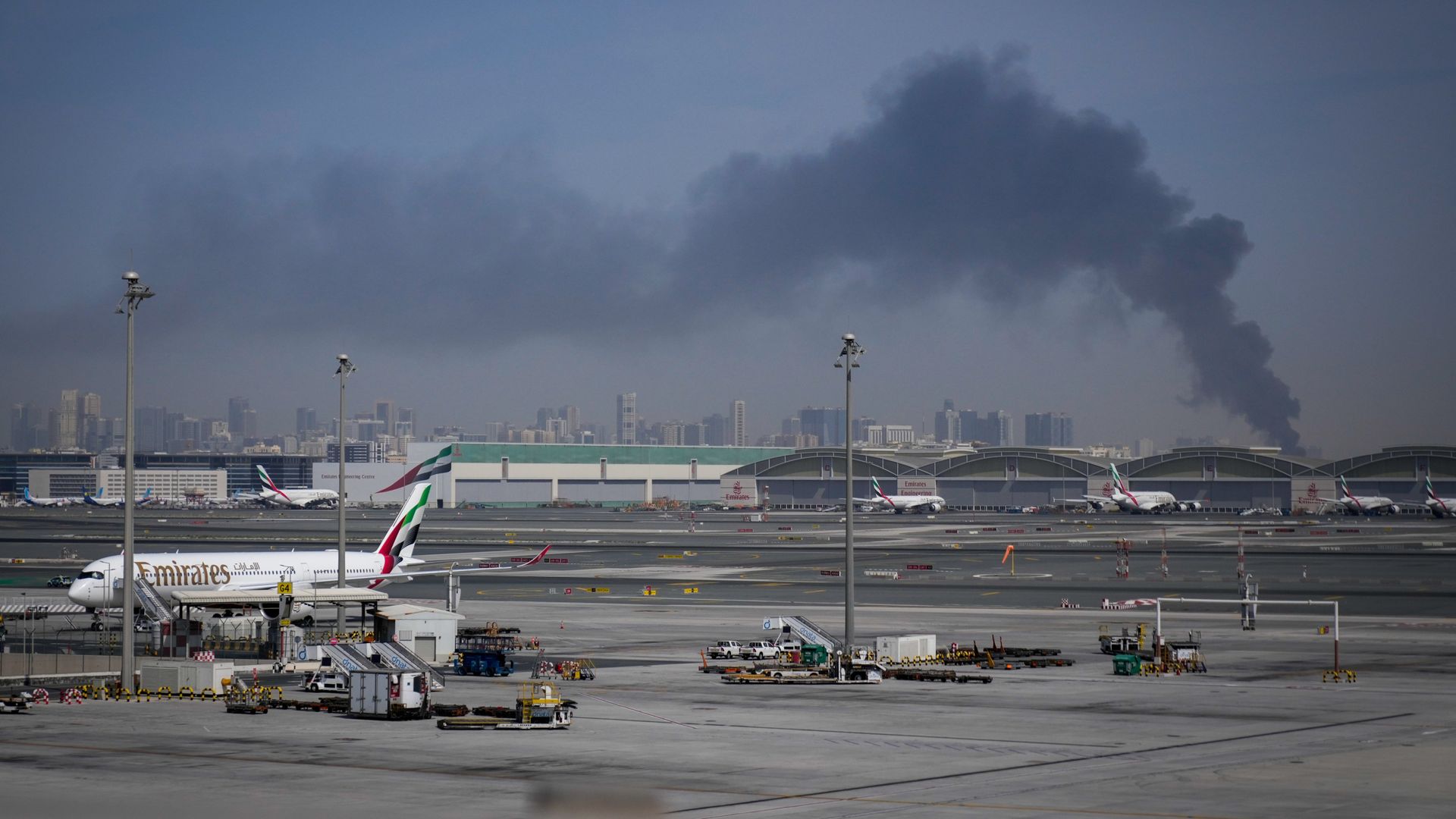
Air travel just took a massive hit. If you’re sitting in an airport lounge in Dubai, Delhi, or London right now staring at a "Cancelled" sign, you’re feeling the ripple effect of a conflict that’s thousands of miles away. Over 700 flights didn't take off today. The escalation between the US, Israel, and Iran has effectively turned the sky into a giant "No Entry" zone. It isn't just about a few missed connections. It’s a total breakdown of the international corridors that keep the global economy moving.
Airlines don't just stop flying because they’re scared. They stop because the math doesn't work anymore. When Iraq, Jordan, and Lebanon shut their airspace, the primary "highway" between Europe and Asia disappears. You can't just "go around" easily. Going around means burning tons of extra fuel, adding four hours to a flight, and hitting crew time limits. Most carriers simply pull the plug instead of dealing with that logistical nightmare.
The Chaos at Hubs like Dubai and Doha
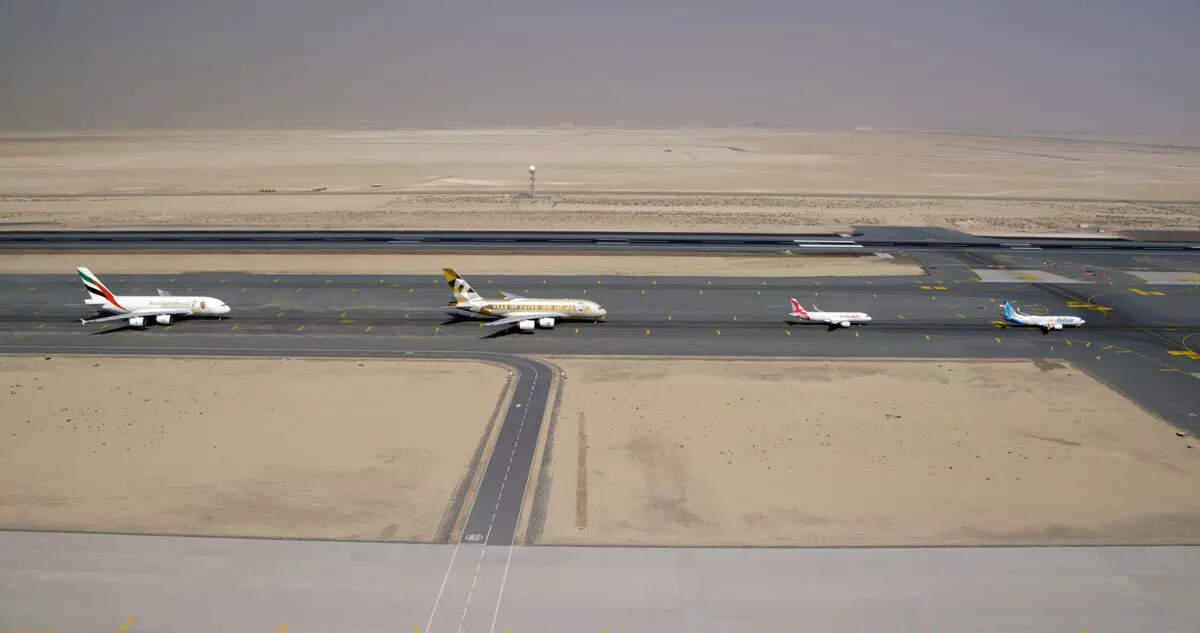
Major hubs are the hardest hit. Emirates and Qatar Airways rely on their "super-connector" status. When the middle of the map goes dark, their entire business model stutters. Today, we saw hundreds of flights grounded at Dubai International (DXB). This isn't just a minor delay. It’s thousands of people sleeping on terminal floors because there aren't enough hotel rooms in the city to hold them all.
India is also caught in the crossfire. Air India and IndiGo flights to Europe usually track right over the areas now seeing missile activity. Pilots are being told to divert through Saudi Arabian or Egyptian airspace. That sounds simple on paper. In reality, every airline is trying to cram into those same narrow corridors. It’s a traffic jam at 35,000 feet. It leads to "flow control" delays, where planes sit on the tarmac for hours just waiting for a slot to take off.
Why Your Travel Insurance Might Not Help
You’d think a war-related cancellation is a slam dunk for a refund. Think again. Many travel insurance policies have "Act of War" or "Civil Unrest" exclusions. If the airline cancels the flight, they owe you a refund or a rebooking under most international laws like EU261. But they don't owe you "consequential damages." That means if you miss a non-refundable $500-a-night hotel in Paris because of Iranian missiles, you’re likely eating that cost.
Most people don't realize that "Force Majeure" is the favorite phrase of airline legal teams right now. It basically means "extraordinary circumstances." It’s their get-out-of-jail-free card for paying out compensation for delays. You’ll get your ticket money back eventually, but don't expect a check for your wasted vacation time.
The Logistical Nightmare of Rerouting
Think about the fuel. A Boeing 777 burns roughly 2,500 gallons of fuel per hour. If a flight from Singapore to London has to divert around Iranian and Iraqi airspace, it might add three hours to the trip. That’s 7,500 extra gallons. At current jet fuel prices, that’s a $20,000 to $30,000 hit per flight. Multiply that by 50 flights a day. No airline can sustain those losses for long. They’d rather cancel and wait for the dust to settle.
Then there’s the crew. Pilots and flight attendants have strict legal limits on how long they can be on duty. If a flight is supposed to be 12 hours but turns into 16 because of a detour, the crew "times out." They legally cannot fly. If an airline doesn't have a backup crew waiting in a place like Larnaca or Istanbul, the plane is stuck. This is why we’re seeing "technical stops" popping up in places you’d never expect.
What You Should Do If You Are Booked to Fly
Stop checking the app and start looking at the flight tracking maps. If you see the plane that’s supposed to pick you up is currently diverted to a random city, your flight isn't happening. Don't wait for the official email. Those systems are often lagging by hours during a crisis.
- Check the tail number. Use a site like FlightRadar24 to see where your specific aircraft is. If it’s stuck on the ground in a different country, start looking for alternatives now.
- Move to a different hub. If you’re trying to get from Asia to Europe, avoid the Middle East hubs entirely for the next 72 hours. Look for routes through Singapore and then over the North Pole or via Tokyo/Helsinki. It’s a longer haul, but those flight paths are far away from the missile trajectories.
- Call the international desks. If the US or local help line is busy, call the airline's office in a country that isn't currently sleeping. If you’re in New York, call the Singapore or Australian service center. You’ll get an agent faster.
The reality is that global aviation is more fragile than we like to admit. A few batteries of missiles in the Levant can effectively break the link between the East and the West. We’re looking at days, if not weeks, of "schedule recovery." Even if the airspace opens tomorrow, the planes and crews are all in the wrong places. It takes a massive amount of coordination to reset the board.
If you don't have to travel in the next 48 hours, stay home. The stress of being stranded in a transit zone without a visa or a hotel room isn't worth it. Rebook for next week. By then, airlines will have established their "new" detour routes and the system will have a bit more breathing room.
Monitor the situation via official NOTAMs (Notices to Air Missions) if you want the raw data pilots see. If the "Danger Area" coordinates keep expanding, expect the cancellations to climb toward the 1,000 mark by tomorrow morning. Travel is a luxury that relies on a peaceful sky, and right now, the sky is anything but peaceful. Get your refund processed now before the airline’s customer service queues become impossible to navigate.