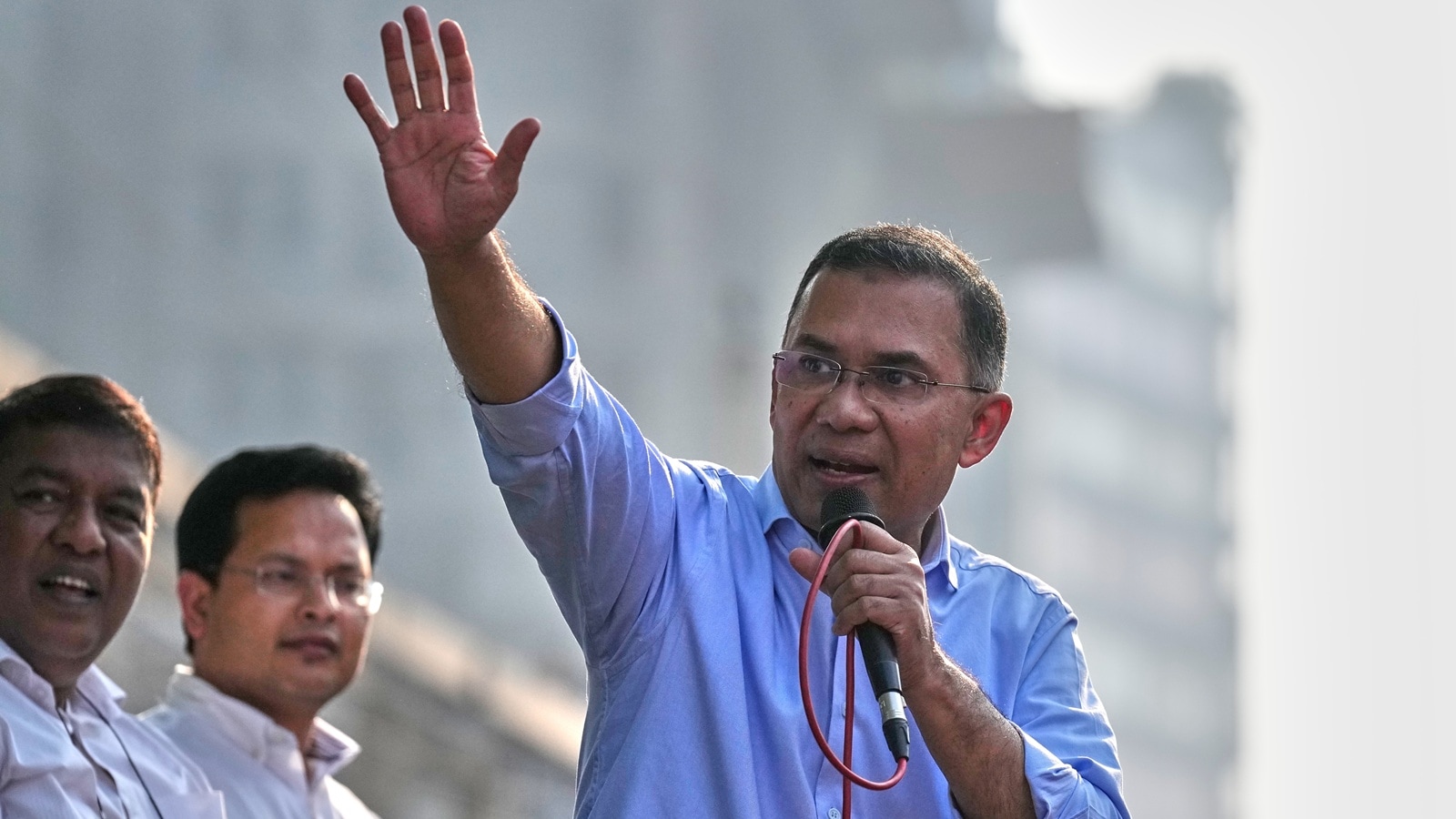
Governments and skeptics often bet on exhaustion. They assume that if they ignore a movement long enough, or suppress it with enough force, people will eventually just go home. They're wrong. The drive for dignity, equality, and justice isn't a trend or a seasonal spike in social media activity. It's a fundamental human requirement, as basic as the need for water or air. When you strip away someone's sense of worth, you don't get a broken subject. You get a person with nothing left to lose.
Right now, we're seeing this play out in every corner of the map. From labor strikes in the United States to women-led protests in Iran, the thread is the same. People aren't just asking for better pay or a change in policy. They're demanding to be seen as equals in a system that has spent decades treating them as line items or afterthoughts.
The myth of the passive public
For a long time, the prevailing theory in political science was that stability was the natural state of most societies. As long as people had enough to eat and a bit of entertainment, they'd stay quiet. But that theory is dead. Material comfort doesn't replace the need for justice. Look at the data from the World Values Survey. It shows a consistent, decade-over-decade increase in the importance people place on "self-expression values." This isn't just about "doing what you want." It's about the right to participate in the decisions that shape your life.
When institutions fail to provide that participation, the pressure builds. It’s like a tectonic plate. You might not see the movement every day, but the stress is accumulating under the surface. When it finally snaps, the resulting shift changes the geography of a nation forever.
Why equality is more than a buzzword
We talk about equality so much that the word has started to feel a bit thin. We need to reclaim it. In a practical sense, equality means the removal of arbitrary barriers. It means that your skin color, your gender, or who you love shouldn't be a predictor of how likely you are to be pulled over by the police or rejected for a mortgage.
The World Bank has repeatedly found that economies with higher levels of gender and social equality are more resilient. They grow faster. They're more innovative. Why? Because they aren't wasting half their talent pool. When you keep people down, you're literally paying for the privilege of being a worse society. It’s a bad investment.
Dignity is the core of the struggle
If equality is the framework, dignity is the soul. You can have a "fair" process that still feels degrading. I’ve seen this in corporate environments where "diversity" is treated as a checklist. You get the job, but you aren't given the authority. You're in the room, but you're not heard. That's a violation of dignity.
Political theorist Francis Fukuyama argues in his work Identity that the modern struggle is often about thymos—the part of the soul that craves recognition. People want their identity acknowledged. They want to know that their existence matters to the state. When a government or an employer ignores that, they aren't just being mean. They're being dangerous. They're poking a fire that won't go out until it has something to burn.
The justice gap is widening
Despite the rhetoric from world leaders, the gap between what is promised and what is delivered is growing. We see it in the climate crisis. The people who contributed the least to global emissions are the ones losing their homes to rising seas first. That's a justice issue. We see it in the digital divide. If you don't have high-speed internet in 2026, you're effectively a second-class citizen. You can't apply for most jobs. You can't access modern healthcare. You're cut off from the pursuit of happiness.
Human rights organizations like Amnesty International and Human Rights Watch have documented a sharp rise in "restictive legislation" aimed at stifling protest. In over 80 countries, laws have been passed recently to make it harder for NGOs to operate or for people to gather in the streets. These aren't the actions of confident leaders. These are the actions of people who are terrified of the unshakeable nature of the public's demands.
Resistance is becoming decentralized
One thing the "powers that be" don't get is that you can't kill a movement by arresting a leader anymore. The pursuit of justice has gone open-source. In the past, if you took out the person at the top of the pyramid, the whole thing collapsed. Today, movements look more like a mesh network.
Think about the way information moves now. An injustice in a small town can be seen by millions in minutes. Documentation is everywhere. This transparency is the greatest tool for dignity we've ever had. It’s much harder to ignore someone’s humanity when their face is on every screen in the world.
Stop waiting for a hero
A common mistake people make is waiting for a "great leader" to show up and fix everything. History doesn't actually work like that. The Civil Rights Movement in the US wasn't just Dr. King. It was thousands of people whose names we don't know who refused to get off buses, who organized carpools, and who risked their jobs every single day.
Justice is a bottom-up process. It starts when you decide that you're no longer willing to accept a "less than" version of yourself. It happens in the breakroom when you call out a joke that crosses the line. It happens at the ballot box when you vote for the candidate who actually has a plan for equity, not just a catchy slogan.
The cost of staying silent
There's a price for "staying out of it." When you see an injustice and say nothing, you aren't being neutral. You're being an accomplice. Silence is a vote for the status quo. And the status quo is currently failing a lot of people.
We often think of progress as a straight line. It’s not. It’s a series of two steps forward and one step back. Sometimes it feels like we're in the "one step back" phase. But if you look at the long arc, the trend is clear. More people have more rights today than at any point in human history. That didn't happen by accident. It happened because people were stubborn. They were loud. They were unshakeable.
What you can actually do right now
Enough with the high-level philosophy. If you want to contribute to the pursuit of dignity and justice, you need to act. It doesn't have to be a grand gesture.
- Audit your own circles. Who are you listening to? If everyone in your feed looks and thinks like you, you're living in a bubble. Break it. Seek out voices from different economic, racial, and social backgrounds.
- Support the local level. National politics is a circus. Local politics is where the work gets done. Pay attention to your school board, your city council, and your local sheriff elections. That's where justice is either protected or eroded.
- Use your leverage. If you're in a position of power—even a little bit—use it to open the door for someone else. If you're hiring, look past the "traditional" resumes. If you're leading a meeting, make sure the quietest person in the room gets a chance to speak.
- Fund the fighters. Organizations like the ACLU or local legal aid societies need resources. They're the ones in the courtrooms doing the grinding work of defending rights.
The pursuit of dignity isn't a project with a deadline. It's a permanent state of being. It's a commitment to the idea that every single person has an inherent worth that no government or corporation can take away. Don't get discouraged by the headlines. They're just the foam on the waves. The tide itself is moving toward justice, and it's not stopping for anyone. Keep pushing. Keep showing up. The world depends on your refusal to be quiet. Reach out to a local advocacy group today and ask how you can help with their current caseload or community outreach program. Ground-level involvement is the only thing that has ever actually changed the world.