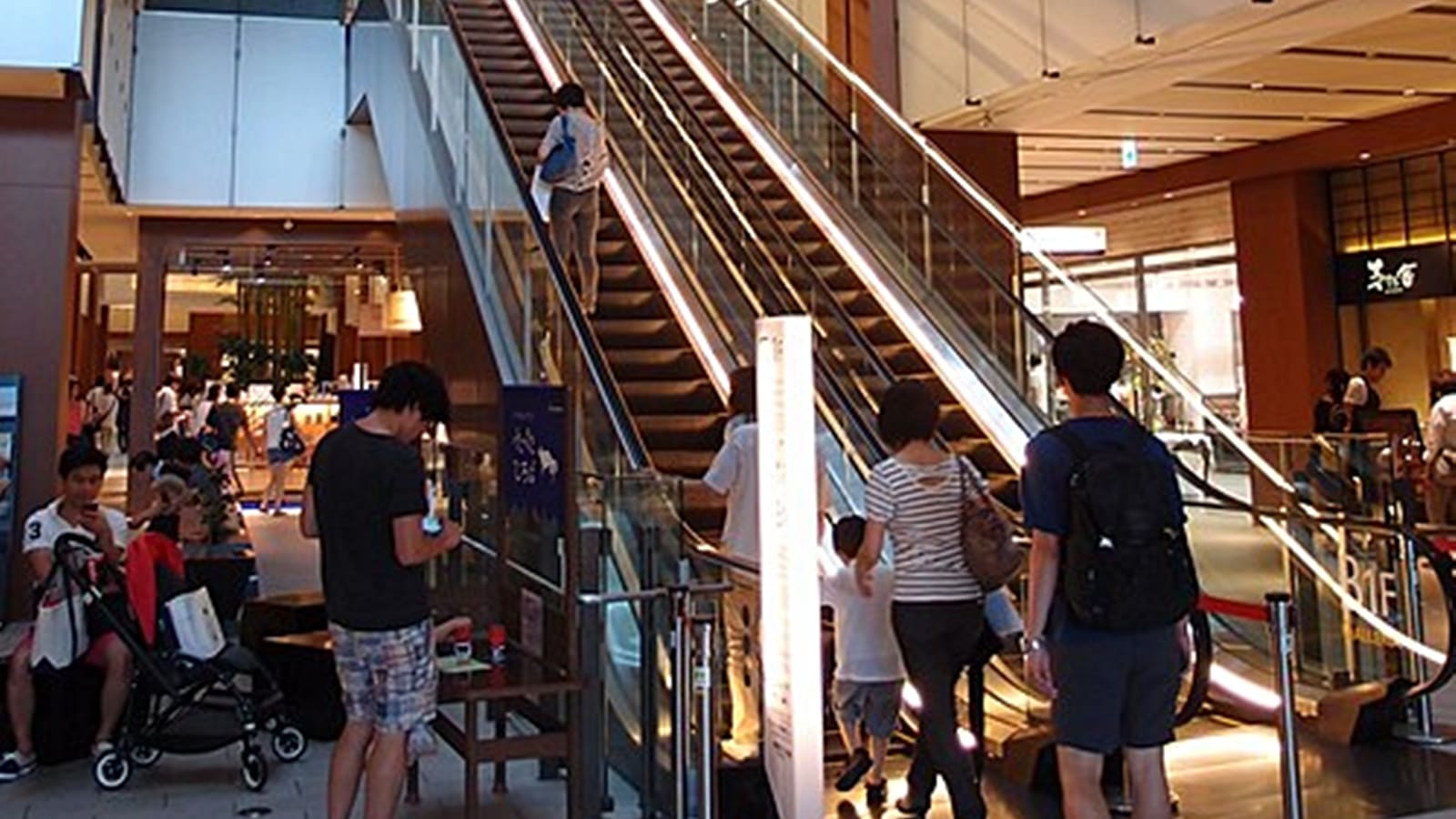
A chaotic scene shattered the usual lunchtime calm of Tokyo’s high-end Ginza district on Monday. Around noon, a man wearing a white mask, a dark jacket, and light-colored pants walked into the first-floor ATM area of the luxury Ginza Six shopping complex. Without warning, he discharged a substance into the air and vanished into the crowded streets.
The aftermath was immediate. Shoppers and bank visitors suddenly found themselves coughing violently, struggling to breathe, and clutching their throats.
Emergency services responded with massive force. The Tokyo Fire Department scrambled 53 emergency vehicles, including fire engines and ambulances, to the scene. First responders in bright yellow hazmat suits swarmed Chuo Dori, the main thoroughfare cutting through Ginza, as police quickly blocked off the surrounding roads to manage the escalating crisis.
According to official updates from the Tokyo Metropolitan Police Department and local fire authorities, 26 people reported feeling unwell, experiencing severe throat irritation and coughing fits. Paramedics ended up transporting 25 of those individuals—ranging in age from their 20s to their 80s—to local hospitals for medical checks. Fortunately, medical personnel confirmed that all injuries were minor.
The Mystery Behind the Pungent Odor
Early reports from the scene described a powerful, painful odor that instantly triggered physical distress. Witnesses who walked into the automated teller corner of the Sumitomo Mitsui Banking Corporation branch on the ground floor reported feeling the effects within seconds.
One 70-year-old shopper told public broadcaster NHK that she initially assumed there was a small fire due to the sudden commotion. When she stepped closer to the banking corner, her throat began stinging intensely, eventually feeling completely numb. Another resident, 78-year-old Yuzo Tsuda, described a similar experience. He was drawn to the complex by the sound of sirens after eating lunch nearby, only to be hit by a wave of irritation that caused a severe coughing fit.
While initial fears sparked worries about a toxic chemical leak, investigators from the Yomiuri Shimbun and local police sources indicated that early testing detected traces of capsaicin on the walls. Capsaicin is the active chemical agent found in chili peppers and serves as the primary ingredient in commercial pepper spray or tear gas.
Tokyo Changing Public Safety Reality
For a city routinely ranked among the safest metropolitan areas globally, incidents like this carry a heavy psychological weight. Japan has famously strict weapon laws, making gun violence extraordinarily rare, but public space attacks involving knives or chemical irritants have surfaced with unsettling frequency in recent years.
Manhunt operations are currently underway. The Tokyo Metropolitan Police Department is analyzing security camera footage from inside Ginza Six and the surrounding subway exits to track the suspect, who is officially wanted on suspicion of assault.
The Ginza scare does not exist in a vacuum. It follows closely behind a remarkably similar event just two weeks ago on the JR Tokaido line. During that incident, a 16-year-old boy allegedly deployed a chemical spray inside a train carriage, forcing the train to make an emergency stop at Kawasaki Station and sending a family, including a one-year-old infant, to the hospital along with ten other passengers.
Going further back, these events inevitably trigger grim memories for long-time Tokyo residents. The city remains deeply scarred by the 1995 Tokyo subway sarin gas attack executed by the Aum Shinrikyo cult, which claimed 14 lives and sickened thousands of commuters. While a pepper spray incident in a luxury mall is vastly different in scale and intent, the immediate panic it creates highlights how vulnerable high-traffic public spaces remain.
What to Do If You Encounter an Unknown Irritant
When an unknown substance or gas is released in an enclosed public space, your immediate actions dictate your safety. Relying on emergency services is the secondary step; getting out of the immediate danger zone is the primary one.
- Do not try to investigate the smell. If you notice a sudden, sharp, or spicy odor that makes your eyes water or throat sting, turn around immediately.
- Cover your airways. Put a cloth, clothing layer, or mask over your mouth and nose. While a standard mask will not stop toxic gases, it can mitigate the inhalation of heavy droplets from pepper spray or tear gas.
- Evacuate crosswind or upwind. Move toward the nearest exit immediately. If you are inside a multi-story building like Ginza Six, prioritize exiting to open air rather than moving deeper into upper levels where air circulation might trap airborne irritants.
- Flush exposed areas. If the substance makes contact with your eyes or skin, do not rub the area. Rubbing drives the chemical crystals deeper into the tissue. Flush your eyes with clean, running water for at least 15 minutes and wash your skin with soap and water as soon as possible.
- Seek medical evaluation. Even if symptoms like throat pain subside after an hour, getting checked by medical professionals ensures you have not suffered secondary airway inflammation or chemical burns.