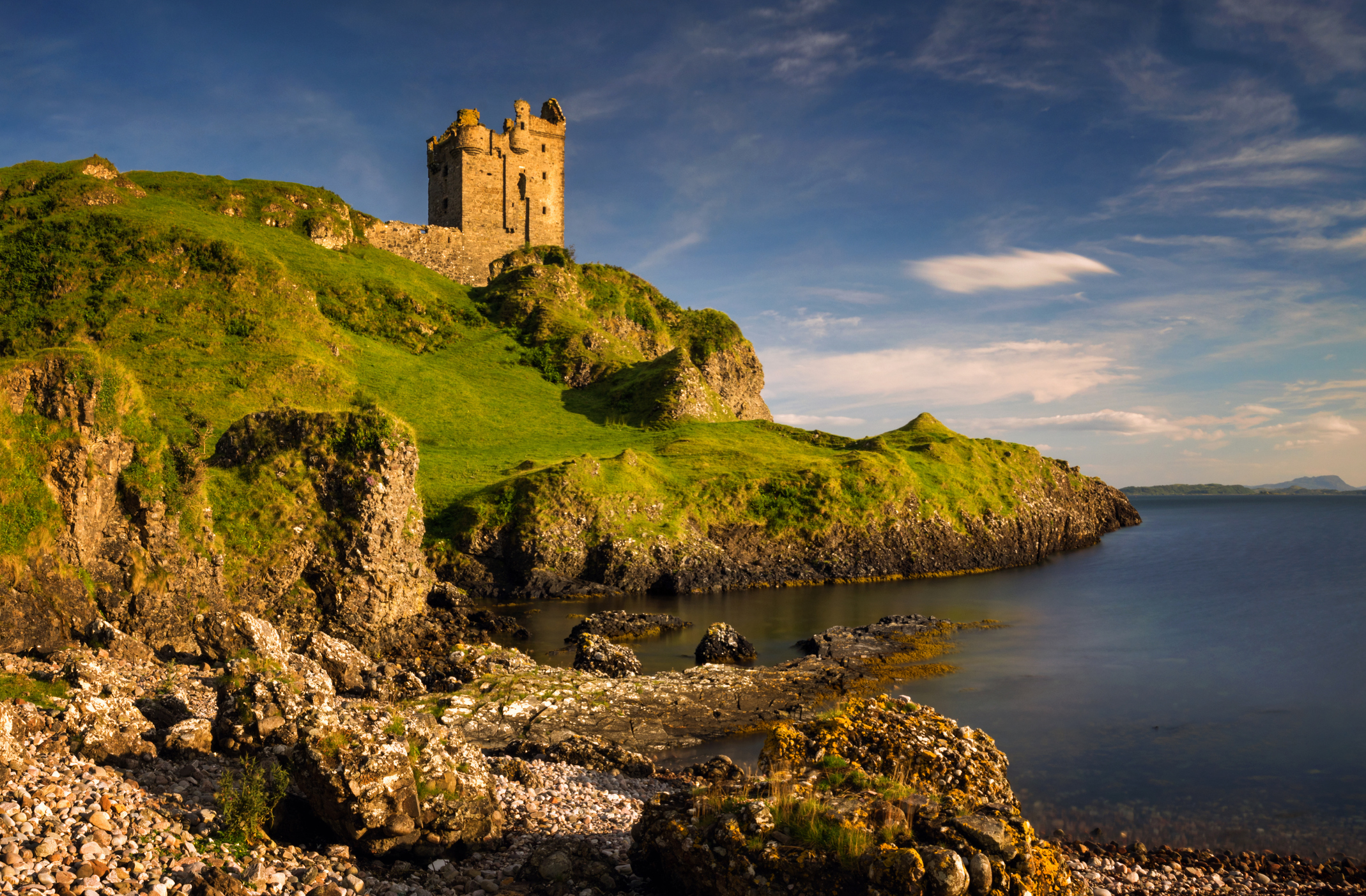
Salt crusts on the steel hull of a stationary tanker, baking under an unforgiving equatorial sun. Miles away, the emerald coastline of Sri Lanka blurs behind a thick curtain of tropical haze. From the shore, through the glass of a cheap pair of binoculars, these colossal vessels look like toys dropped carelessly on a blue mirror. They do not move. They do not signal. They simply wait.
To the casual observer on a crowded beach in Galle, nursing a lukewarm coconut, the ships are part of the scenery. Cargo. Traffic. Metal boxes floating on water.
They are not just cargo. They are pressure valves.
When Iranian tankers gather in a silent flotilla off the coast of an island nation caught in its own economic turbulence, maps shift. Geography becomes strategy. The world watches choke points like Hormuz or Malacca, scanning for naval gray and missile streaks, while the real story unfolds in the quiet, unmapped holding patterns of the open ocean.
I know the weight of waiting on a ship. You feel the pulse of the auxiliary engines vibrating through the soles of your boots, a low, constant hum that gets inside your teeth after weeks at sea. You watch the horizon for a pilot boat, a tug, a clearance code, anything that tells you the gridlock is breaking. Now multiply that heavy, burning uncertainty by millions of barrels of crude oil held in limbo, and you begin to understand what is happening right now in the Indian Ocean.
Let us be clear about the mechanics. Ships do not burn heavy fuel oil just to sit idle for the view. Idling costs money. Millions of dollars bleeding out in daily maintenance, crew wages, and opportunity costs while floating hundreds of miles from the nearest discharge port. When captains drop anchor and kill the forward momentum in international waters near Sri Lanka, it means the normal channels have dried up.
Sanctions do not look like explosions. They look like paperwork denied. They look like a port authority refusing to answer a VHF radio call. They look like insurance policies vanishing overnight because a corporate office in London or Singapore decided the risk ledger has tipped too far into the red.
Consider the skipper of one of those anonymous hulls. Let us call him Captain Reza. (This is a hypothetical scenario to ground the math, though drawn from the daily reality of maritime logistics). Reza has a crew of twenty-four men who haven't smelled fresh land in three months. Their fresh fruit ran out near the Arabian Sea. Their water rations are strictly monitored. Reza stands on the bridge at midnight, watching the distant glow of Colombo's skyline, smoking a cigarette down to the filter, wondering if tomorrow brings a coded telex giving the green light to sail east, or an order to turn back into the teeth of the storm.
He is not a politician. He is a guy with a radar screen and a very expensive problem.
Why Sri Lanka? Why this specific patch of international water, dangling like a teardrop at the southern tip of the subcontinent?
Geography dictates desperation. The island sits at the crossroads of maritime trade routes connecting the Middle East to East Asia. It is a natural staging ground. When traditional buyers pull back, spooked by shifting compliance metrics and tightening financial nooses, tankers linger where fuel can be transferred, paperwork can be laundered through gray-market intermediaries, or simply where they can buy time while capitals negotiate behind closed doors.
It is a floating limbo.
The global energy market likes to pretend it is a frictionless machine. We imagine equations on trading floors in New York and Frankfurt, clean lines on digital graphs, algorithms deciding the price of a barrel before breakfast. We forget that energy is physical. It has weight. It smells like sulfur and diesel. It requires human beings to turn valves, weld cracked pipes, and cook rice in a galley that rolls fifteen degrees to port every time a swell rolls underneath.
When Iranian crude gathers off these shores, it represents the stubborn persistence of trade finding a way around the iron walls of diplomacy. Water always finds the crack in the dam. Commerce does the same.
Think about the local fishermen out of Matara. They take their outrigger canoes out before dawn, chasing tuna and flying fish. Sometimes, as the morning fog burns off, they cut their small outboard motors and drift within sight of the gray leviathans. They don't know the politics of Tehran, Washington, or Brussels. They only know that these foreign giants are huge, silent, and indifferent. They know that a spill would wipe out their livelihood in a single tide. They look at the tankers with a mixture of awe and quiet dread.
That is the human element economists leave out of their quarterly spreadsheets. The fishermen looking up. The sailors looking down. The invisible friction between sovereign power and the desperate need to keep the global engine turning over, one compromised transaction at a time.
We are watching a slow-motion chess game played with heavy iron and combustible liquid. Every week these ships sit off the coast, the financial pressure mounts, yet the political will to resolve the underlying deadlock remains frozen. The tankers wait for a signal that may not come for months. The ocean keeps rolling, indifferent to the flags painted on the sterns or the sanctions written in glass towers half a world away.
Out past the surf, beyond the reach of cell towers and tourist umbrellas, the steel hulls ride low in the water. The sun dips below the rim of the world, bleeding orange and purple across the Indian Ocean, and the lights on the anchored ships begin to blink on one by one, guarding secrets they were built to carry.