We keep forgetting what victory actually smells like.
To most of us who grew up in the late twentieth century, childhood diseases were things of cardboard flashcards and black-and-white photographs in old textbooks. They belonged to the attic of human history alongside iron lungs and wooden ships. Measles was a rite of passage, or so grandparents would reminisce—a fever, a rash of angry red dots, a week in a darkened room with sticky eyes, and then immunity earned. We sanitized the memory. We stripped away the terror of encephalitis, the blindings, the silent destruction of immune systems, and above all, the small, quiet graves.
Then the calendar turned to 2026.
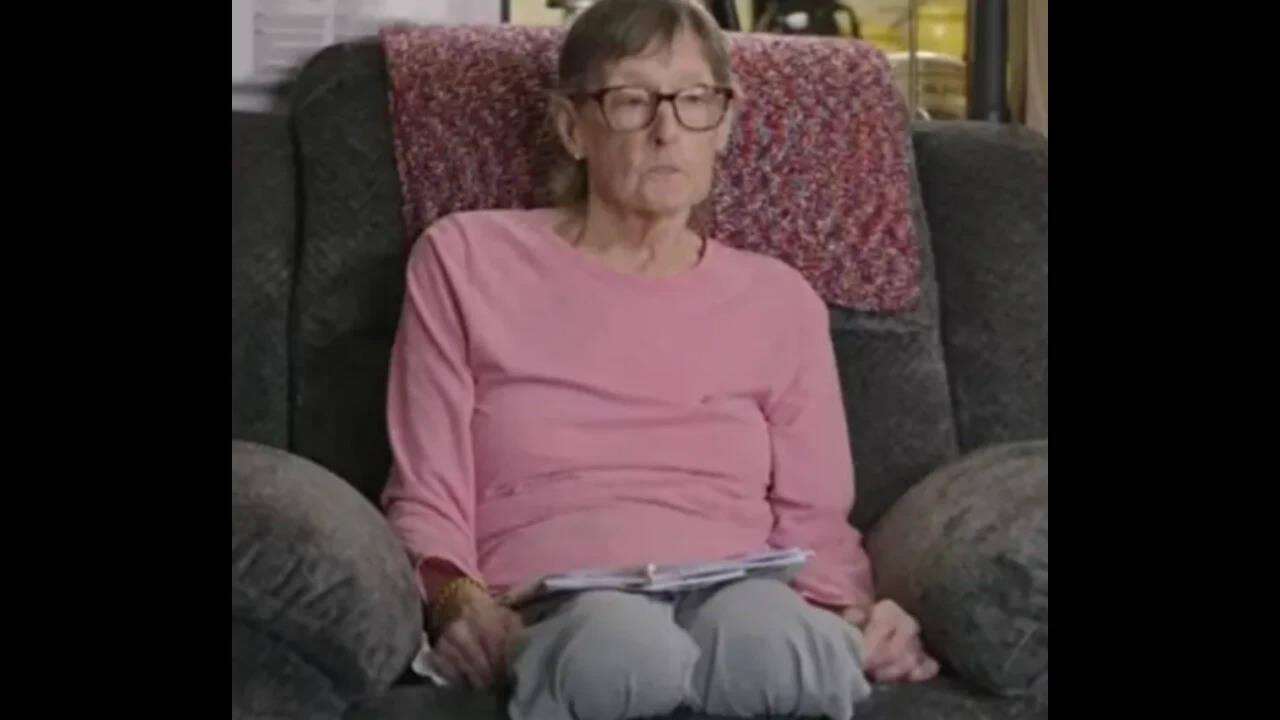
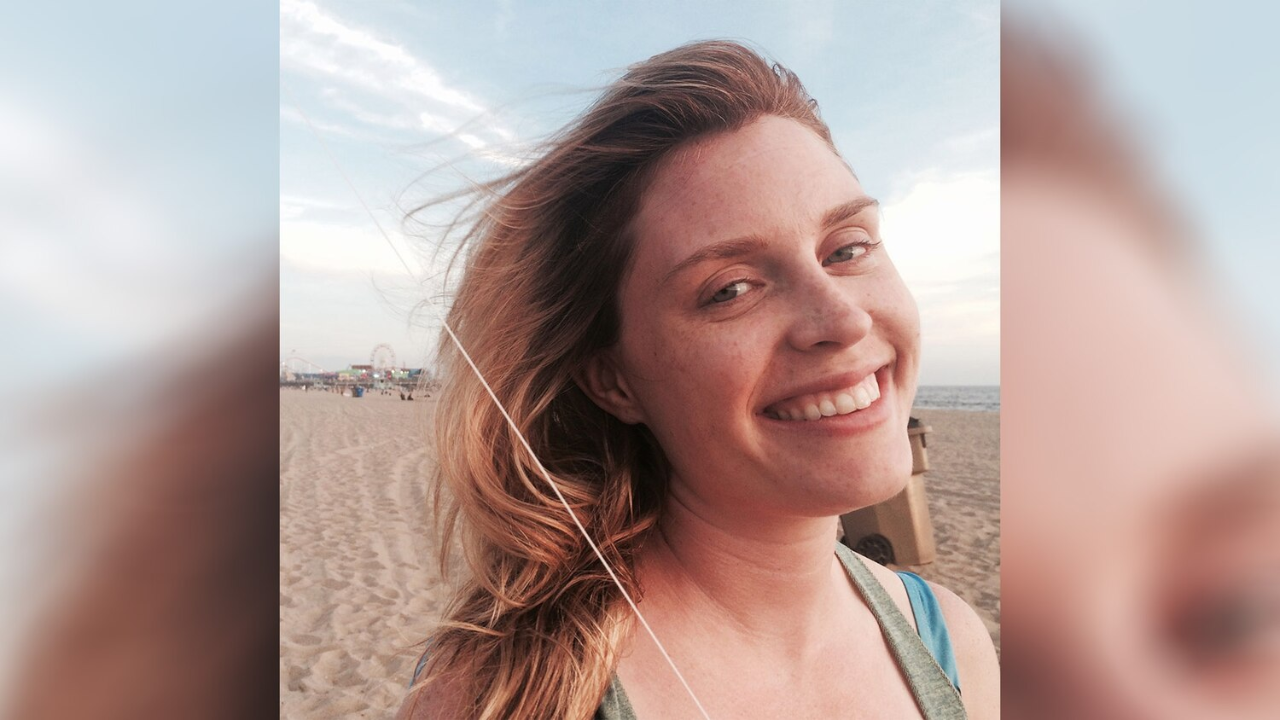
Across the United States, the numbers began to crawl upward, turning into a jagged ascent that now marks the worst year this country has endured since 1991. In Pennsylvania, a fifth life was extinguished. Five. Not a statistic on an administrative ledger. Five human stories cut short by a pathogen that science figured out how to lock away decades ago.
Consider the mechanics of how this happens. It does not arrive with the dramatic fanfare of a cinematic plague. It rides on a cough in a crowded grocery store aisle. It lingers in the air of a pediatrician's waiting room for two hours after an infected child has already gone home. Measles is not merely contagious; it is biological efficiency perfected over millennia. Its basic reproduction number, known to epidemiologists as $R_0$, sits between twelve and eighteen. That means a single infected person will, on average, transmit the virus to up to eighteen unprotected individuals in a susceptible population.
It moves like wildfire through dry brush. And our brush has grown dry.
To understand why a disease with a safe, fiercely tested vaccine since 1963 is claiming lives again, we have to look past the cold charts of public health agencies and examine the architecture of human doubt.
Imagine sitting at a kitchen table at dusk. The house is quiet save for the hum of the refrigerator. On the screen of a glowing smartphone, a parent scrolls through an endless loop of conflicting assertions, anxious forums, and smooth-talking certainty packaged as rebellion. Fear is an addictive narcotic. It whispers that doing nothing is a choice of safety, that standing apart from the collective herd is an act of fierce independence.
What the screen does not show is the biological reality waiting outside the front door.
Measles has a cruel trick up its sleeve that separates it from almost every other common virus. Immunologists call it immune amnesia. When the virus invades, it does not just attack the respiratory tract; it targets memory cells within the immune system itself—the hard-won library of antibodies your body built against every past infection, from chickenpox to the common flu. Surviving measles doesn't always leave you stronger. Often, it leaves you defenseless, erasing your biological history and forcing your body to relearn how to fight the world from scratch.
That is the invisible stake. When vaccination rates dip below the critical threshold of roughly ninety-five percent—the magic number required for herd immunity—the shield protecting the most vulnerable among us shatters.
This includes infants too young to receive their first dose, children undergoing chemotherapy whose bloodlines cannot tolerate live vaccines, and individuals whose immune systems are compromised through no fault of their own. They are the silent passengers on this flight, relying entirely on the armor worn by the people standing next to them.
When that armor cracks, the weakest fall first.
We are watching the consequences of collective amnesia. Decades of success bred a dangerous complacency. Because grandmothers no longer saw children paralyzed or dying from preventable infections, the ghosts of the past lost their teeth. The threat became abstract. And abstract threats are easily dismissed in favor of convenience, hesitation, or ideological posture.
History does not repeat itself cleanly, but it rhymes with terrifying precision. In 1991, an epidemic tore through under-vaccinated urban communities, overwhelming hospitals and leaving a trail of preventable grief. Back then, the response was a massive mobilization—mobilizing clinics, tracking outbreaks, rebuilding trust block by block until the fire was smothered.
Today, the fire is burning again, but the fuel is different. It is fueled by hesitation born of isolation, by algorithms designed to reward outrage over nuance, and by a growing skepticism of institutional authority that has crossed the line from healthy questioning into self-sabotage.
There is no villain twisting their mustache in a dark room. There are only tired parents trying to do right by their kids while drowning in noise, and public health workers sounding alarms that bounce off concrete walls of indifference.
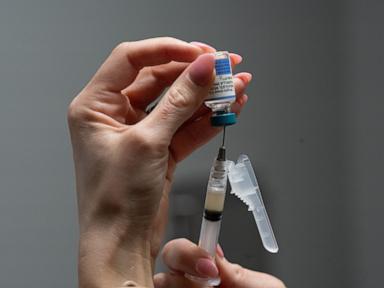
Yet, the remedy has never been a secret. It is sitting in cold glass vials in clinics across the country. It is an injection of attenuated virus that teaches the body how to remember without having to suffer the disease. It is a social contract written in the simple act of rolling up a sleeve—not just for oneself, but for the stranger in the pharmacy line, the newborn baby sleeping in a stroller, the classmate with leukemia who just wants to finish the third grade.
The fifth death in Pennsylvania should not be treated as a tragic footnote in a health report. It should be a mirror. It asks us a difficult, unvarnished question about what we owe to the society we share.
The ghost we thought we buried is walking the halls again. It will stay as long as we let our fears outgrow our memory.