Dawn in the Persian Gulf does not arrive with a gentle gradient of light. It strikes like a dropped curtain. One moment, the horizon is a bruised, ink-dark line where the water bleeds into the sky; the next, a white-hot glare burns off the humidity, turning the sea into a sheet of molten brass.
Out here, thousands of tons of steel drift in the stillness, trapped in a silent choreography dictated by invisible borders and distant mandates.
Consider the bridge of a modern container ship. It smells of stale coffee, ozone, and the faint, permanent hum of cooling fans cooling racks of electronic navigation gear. Captain Elena Vance stands at the starboard wing, staring out at a vast, empty stretch of sapphire water. On paper, her vessel is a floating warehouse, carrying three thousand steel boxes filled with everything from electronic components to perishable produce, bound for a port that now feels light-years away.
In reality, her ship is a pawn in a quiet, high-stakes game of maritime redirection.
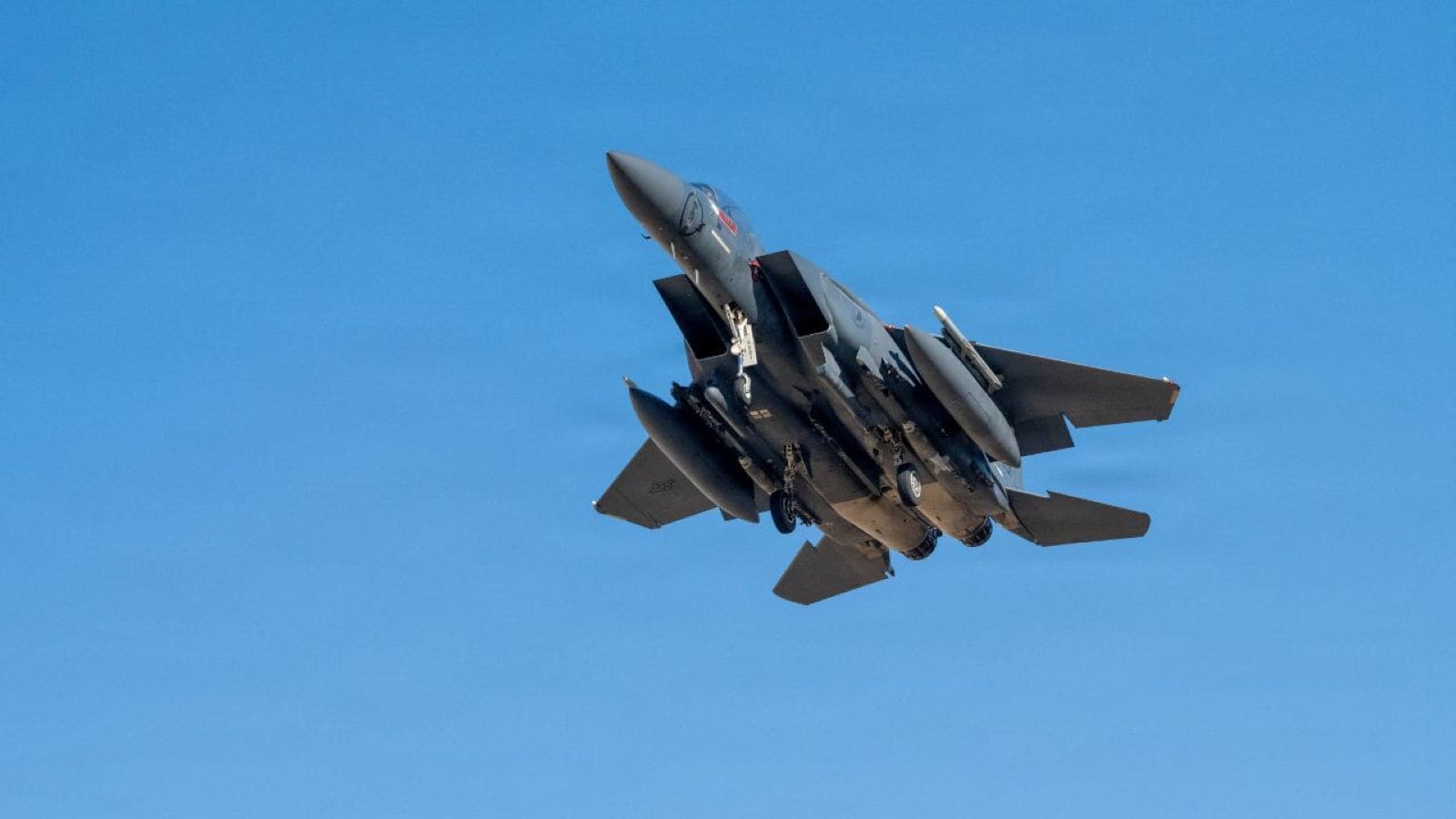
Centcom’s latest reports are dry, administrative blocks of text: US forces have successfully guided and redirected over one hundred commercial vessels away from danger zones, navigating the tightening grip of an escalating blockade against Iran. Numbers on a screen. Metrics in a briefing room.
Up here, on the bridge wing, those numbers have names, faces, and immediate consequences. They mean burning expensive bunker fuel to steam in circles fifty miles off course. They mean nervous crew members calling home on scratchy satellite phones to explain why their arrival date has slipped by another week. They mean a fragile global supply chain absorbing yet another shockwave, stretching like old rubber band until someone asks just how much more tension it can take.
To understand why Elena’s ship, along with more than a hundred others, was forced to alter its course, you have to look down at the map and trace the narrowest bottleneck of the global economy.
The Strait of Hormuz is barely twenty-one miles wide at its narrowest point, yet through this aquatic corridor passes a massive chunk of the world's petroleum and a staggering volume of non-oil maritime commerce. It is a choke point in the literal sense of the word. Squeeze it, and the lungs of international trade begin to gasp.
For decades, mariners have treated these waters with a mixture of professional respect and underlying anxiety. You do not sail into the Gulf without knowing who is watching. Radar tracks paint glowing green arcs across displays, marking the presence of regional navies, shadowy patrol craft, and distant grey-hulled warships. When geopolitical tensions curdle into active blockades and naval standoffs, the sea becomes a minefield—not necessarily of physical explosives, but of lethal uncertainty.
A commercial container vessel is built for efficiency, not defense. It has a flat hull, a towering wind profile that makes it handle like a brick in a crosswind, and zero armor. It is a floating glass house in a neighborhood suddenly overrun with stones.
When US naval forces stepped in to redirect commercial traffic, they were executing a doctrine born of hard-earned historical lessons. In modern maritime conflicts, the first casualty is often predictability. By establishing safe corridors, vetting routes, and escorting or guiding ships away from high-threat sectors, naval planners attempt to impose order on chaos.
Yet, order at sea is an illusion maintained by constant vigilance.
Elena remembers the exact moment the order came through the teletype. A priority message from maritime security operations. Course alteration advised. Stand clear of designated sector.
She looked down at her electronic chart table. The green line of her planned route—drawn with the precision of corporate logistics algorithms designed to shave hours off transit time and save thousands of dollars in fuel—now cut straight through a red zone of elevated risk.
She sighed, picked up the internal phone, and called the chief engineer.
"We're turning south, Chief," she said.
"How far south?" came the gruff reply through the static.
"Far enough to keep us out of the crossfire."
That conversation has played out over a hundred times in recent weeks across the maritime expanse of the Middle East. Every deviation adds miles. Every mile burns fuel. Every gallon of fuel eats into profit margins that are already razor-thin. But beneath the economics lies the human toll—the compounding fatigue of sailors who have been at sea for months, watching the news from home fill with warnings of war, while their own floating world becomes increasingly isolated.
It is easy to view global trade as an automated system. We click a button on a screen, and a package arrives on our doorstep three days later. We assume goods move along immutable highways of water and steel, completely immune to the frictions of human politics.
The reality is far more fragile. It relies on trust. It relies on the assumption that a captain can sail from point A to point B without dodging geopolitical lightning bolts. When that trust shatters, the entire architecture wobbles.
The US military's intervention to steer these vessels away from the Iranian blockade is a thumb pressed against a bursting seam. It prevents immediate disaster. It stops a civilian ship from becoming a headline, a burning hulk on the evening news, or a bargaining chip in a diplomatic standoff.
But holding a seam together is not the same as fixing the garment.
As Elena watches the sun climb higher, turning the Gulf into a glaring mirror, she adjusts her cap against the glare. Her ship swings slowly to port, executing the wide, looping turn that adds five hundred miles to her voyage. Down below, the massive diesel engine thrums with a steady, hypnotic pulse, driving the steel forward into an uncertain horizon.
The sea remains vast, beautiful, and profoundly indifferent to the ambitions of nations. Somewhere over the horizon, gray ships cut through the swells, their radars sweeping the dark water, while a hundred ghost ships trace wide, looping detours around a world holding its breath.