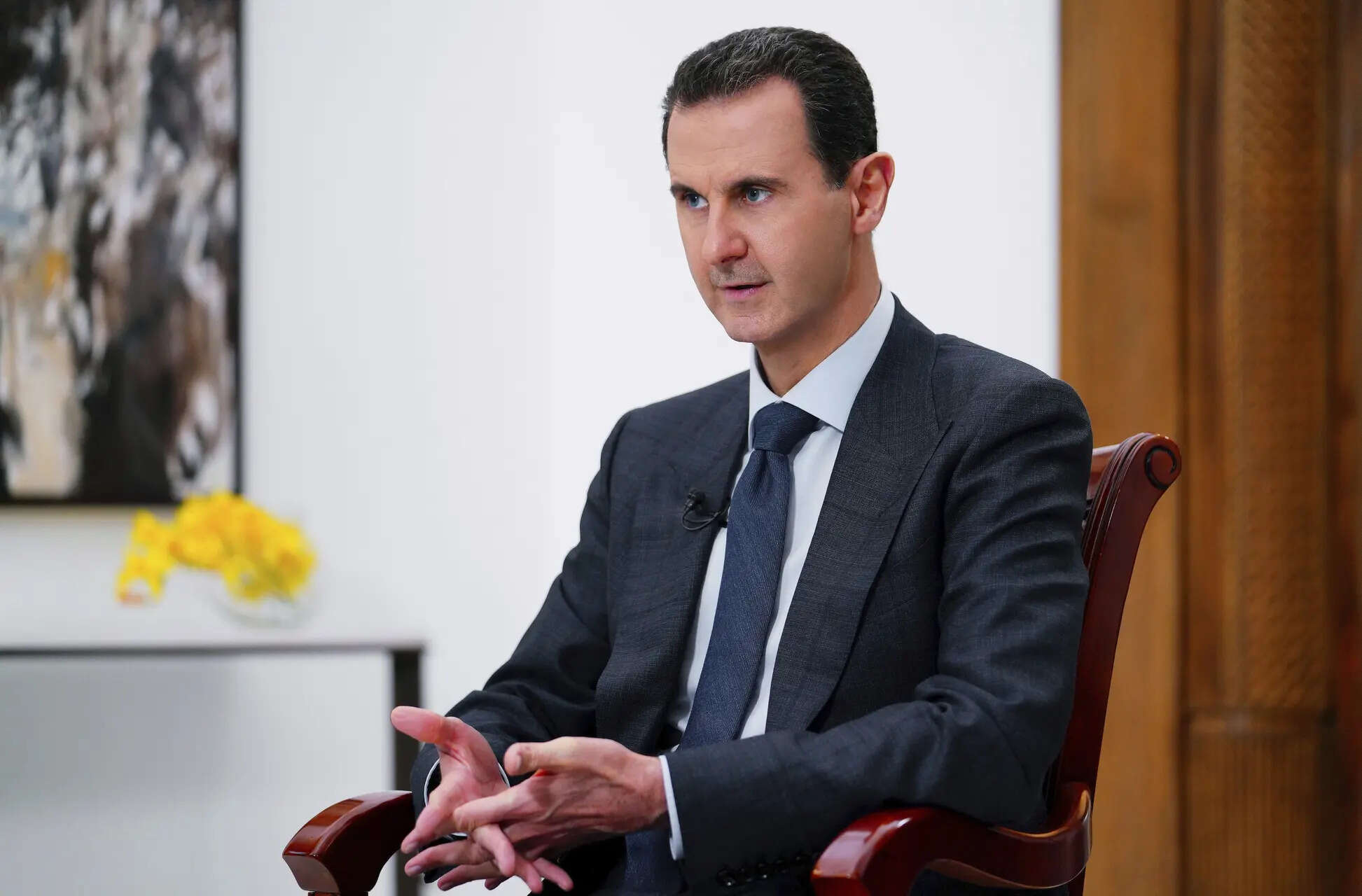
Dust settles slowly on the marble floors of palaces meant to last a millennium. In Damascus, the echoes change. They used to bounce off walls padded with absolute power, bouncing back as whispers of fear, obedience, and forced adoration. Now, they stretch across empty halls, absorbed by silence.
Bashar al-Hafiz, a man once hidden behind spectacles and a soft-spoken doctor persona before inheriting a dynasty of iron, is gone. Not merely departed. Erased from the physical coordinates of the state he commanded for nearly a quarter of a century.
Silence.
When a regime built on surveillance and artillery dissolves, it does not happen in a single cinematic explosion. It happens in the quiet moments when the guards stop checking IDs. It happens when the portraits on the walls—those omnipresent eyes following citizens through bakeries, classrooms, and traffic checkpoints—are finally torn down, leaving pale rectangles of cleaner paint where the sun never reached.
Consider what happens next. A courtroom thousands of miles from the immediate street fights issues a decree. Death in absentia.
Words on paper. A legal hammer falling on an invisible target.
For the millions who lived through the barrel bombs, the midnight detentions, and the grinding machinery of a security state that swallowed families whole, a court verdict carries a strange weight. It is not vengeance. Vengeance implies a personal ledger. This is something colder. This is geometry. A system acknowledging that the math of tyranny finally doesn't add up anymore.
Yet, the man who held the pen is missing.
Where do dictators go when the gravity of their own atrocities pulls the floor out from under them? They evaporate into the shadows of sympathetic borders, protected by old alliances, living out days in climate-controlled obscurity while the people they left behind sift through rubble looking for photographs of missing children.
We forget what absolute power feels like from the bottom. Imagine waking up every morning knowing that a casual remark at a cafe could trigger a descent into subterranean interrogation cells from which names simply vanished. That was the daily weather of Syria for decades. A climate of psychological frost.
When the uprising began in 2011, sparked by children spray-painting anti-regime graffiti on a wall in Daraa, the response was not political. It was surgical destruction. The state treated dissent not as an opinion to be debated, but as a cancer to be excised with artillery. Hospitals bombed. Neighborhoods starved. Chemical agents drifting through residential streets like morning mist.
And through it all, the man at the top maintained a posture of detached academic detachment. Interviews with foreign journalists where he smiled, blinked behind his frames, and denied the undeniable. It was a masterclass in dissociation. He watched his country burn from behind a pane of impenetrable self-justification.
Now, the trial concludes without him present to hear the sentence.
Justice deferred is justice frustrated, but justice rendered in absence carries a haunting theatricality. It says: We see you. Even if you are hiding behind armored doors in Moscow or a guarded compound elsewhere, your legal existence as a sovereign ruler is revoked. You are a ghost.
The courtroom doors close. The judges pack their briefcases. Outside, the world moves forward with the stubborn resilience unique to those who have survived hell.
Streets are swept. Makeshift markets open beside bombed-out facades. People drink tea in the afternoon sun, talking of groceries, electricity, and the price of bread, carrying the invisible weight of scars that will never fully close. They do not need a piece of paper from a distant bench to tell them what they already lived through. They carry the history in their bones.
The throne is empty. The dictator is a phantom pursued by warrants. And the people, battered and bruised, finally write the next line themselves.