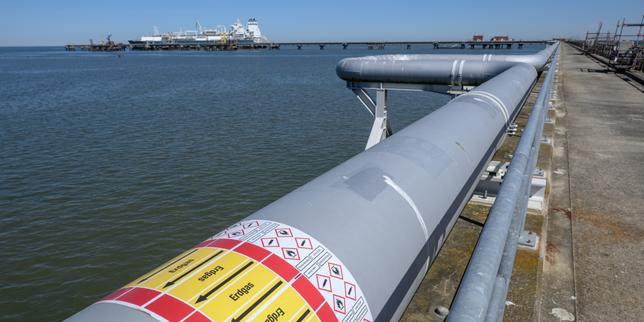
Every winter, the headlines write themselves. Analysts crawl out of the woodwork to clutch their pearls over German storage levels, warning that a cold snap will empty the caverns and freeze the industrial heartland. It is a lazy narrative built on historical trauma rather than thermodynamic reality.
I have watched traders panic over these exact numbers for years, bidding up wholesale contracts while ignoring the mechanics of modern pipeline flows and LNG flexibility. The conventional wisdom states that if storage drops below a certain arbitrary threshold heading into February, disaster is imminent. That premise is false. It misunderstands how modern European grids actually balance supply and demand.
The Storage Fallacy
Storage is not a giant swimming pool that gets drained until it hits zero and leaves everyone in the dark. It is a peaking asset. It exists to manage intra-season volatility, not to supply the entirety of Central Europe’s base load through a prolonged freeze.
When commentators point to a 50% or 40% fill rate in mid-winter and scream headline panic, they are ignoring pipeline injections, interconnector flexibility, and demand destruction. Industrial users do not wait until the last cubic meter is gone before dialing back consumption; high prices trigger immediate curtailment. The market clears itself long before any physical depletion threat materializes.
To understand why the fear-mongering fails, look at how the infrastructure operates under stress.
- Injections and Withdrawals: Storage facilities have maximum withdrawal rates. A full cavern does not mean you can pull gas out faster than the engineering limits allow. Conversely, a half-empty cavern can still deliver its maximum design flow rate provided the pressure differential is maintained.
- The LNG Buffer: Prior to 2022, Germany relied heavily on fixed pipeline routes. Today, floating storage and regasification units along the coast offer a dynamic supply vector that reacts to price signals within weeks, not quarters.
- Demand Elasticity: High gas prices force chemical and steel plants to optimize or idle. This isn't a failure of supply; it is the economic mechanism functioning exactly as designed.
The Real Vulnerability Nobody Talks About
The danger isn’t running out of gas in February. The real vulnerability is regulatory overreach and market distortion driven by political panic.
When governments mandate mandatory fill targets by specific calendar dates, they force state entities to buy gas at absolute peak prices regardless of market fundamentals. This bureaucratic interference creates artificial supply squeezes in the summer, costing taxpayers billions and subsidizing speculators who know the state must buy at any cost.
I have seen energy desks trade against these mandated deadlines with absolute impunity. The government effectively telegraphs its buying schedule months in advance, handing a blueprint to every hedge fund between Frankfurt and London.
What Should Happen Instead
Stop treating winter storage percentages as a doomsday clock. Instead, evaluate the system based on net import capacity, weather-adjusted demand forecasts, and regional price spreads. If the spread between summer and winter contracts remains narrow, the market is telling you that supply security is priced in, regardless of how many caverns look half-empty on a Tuesday afternoon chart.
Let the industrial sector manage its own risk profiles through long-term hedging rather than forcing taxpayers to backstop expensive, politically motivated inventory buffers.
The next time a headline blares about emptying gas caverns, check who is selling the futures contracts and who is buying the panic. The gas is there. The pipes work. The only thing leaking is common sense in the commentary.