The media loves a predictable script. When a high-profile maritime confrontation occurs, the headlines write themselves. Outraged activists claim total innocence, while state officials demand maximum penalties, declaring that detainees should be locked away for years. It is a well-worn performance, a piece of political theater where both sides play their parts to perfection.
But viewing these high-stakes maritime standoffs through the lens of standard criminal justice is a fundamental error. The lazy consensus among mainstream commentators is that these incidents are simple matters of law enforcement or human rights violations. They are neither. They are calculated exercises in asymmetric warfare and sovereign boundary testing.
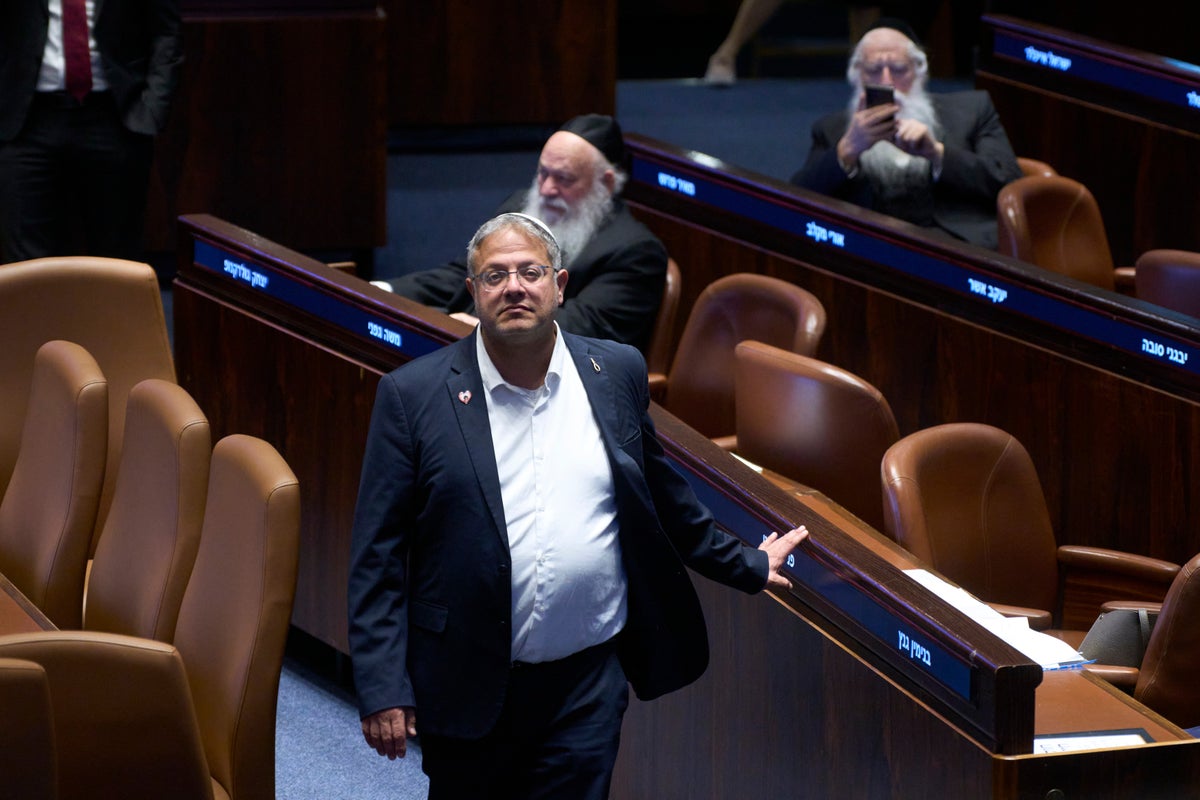
When a security minister thumps the table and demands long-term imprisonment for detained activists, it isn't a standard legal strategy. It is political signaling aimed at a domestic audience and a deterrent message sent to foreign adversaries. To understand what is actually happening on the water, we have to look past the fiery rhetoric and analyze the hard mechanics of maritime law, international leverage, and state sovereignty.
The Illusion of the Standard Legal Framework
Mainstream analysis routinely falls into the trap of treating international maritime incidents like domestic trespassing cases. This misses the entire point of how international law operates in contested waters.
Under the United Nations Convention on the Law of the Sea (UNCLOS) and established customary international law, the rules governing blockades, interceptions, and detentions are distinct from domestic criminal codes. When a state enforces a maritime blockade, its legal justification rests on national security and armed conflict frameworks, not standard penal codes.
Consider the mechanics of a legally declared blockade. The capturing state has the right to intercept vessels attempting to breach the perimeter. However, the treatment of the individuals onboard occupies a complex gray zone. Standard state practice generally involves interception, inspection, temporary detention, and rapid deportation of foreign nationals.
Why? Because long-term imprisonment of foreign activists is a strategic nightmare.
- The Martyrdom Effect: Prolonged incarceration transforms transient provocateurs into permanent symbols of resistance, handing a perpetual public relations victory to the organizing factions.
- Diplomatic Friction: Holding foreign citizens for extended periods forces the home countries of those activists—often key trading partners or nominal allies—to intervene, straining diplomatic channels over low-level actors.
- Legal Overreach: Attempting to apply domestic criminal law to actions taking place in international or contested waters often lacks solid jurisdictional footing, risking embarrassing defeats in international tribunals.
Therefore, when a political figure demands maximum prison sentences, they are rarely speaking to the prosecutors. They are speaking to the cameras.
Asymmetric Warfare in the Court of Public Opinion
To understand the futility of the standard commentary, one must recognize that modern maritime confrontations are rarely fought to achieve a military breakthrough. They are waged to capture the narrative. This is the essence of asymmetric warfare: using non-military means to neutralize a technologically superior adversary.
Activists organize these voyages knowing precisely how the targeted state will react. The goal is to force a heavy-handed response. If the state ignores the vessel, the blockade is compromised. If the state intercepts the vessel, it is accused of aggression. It is a classic tactical trap.
When state officials respond with harsh, unyielding rhetoric, they walk directly into the strategic ambush. Demanding long-term imprisonment validates the activists' narrative that the state is punitive and unyielding. It shifts the global conversation away from the legality of the blockade itself and focuses it entirely on the perceived harshness of the state's response.
A sophisticated security apparatus understands that the most effective counter-measure is not maximum retaliation, but rapid neutralization. Depriving the confrontation of its oxygen requires swift processing, minimal engagement, and immediate deportation. Efficiency, not anger, is the ultimate deterrent.
The Reality of Sovereign Deterrence
This does not mean a state should simply look the other way. Sovereign nations have an absolute right and duty to protect their borders and enforce legal maritime perimeters. The error lies in confusing emotional rhetoric with effective deterrence.
True deterrence in maritime security is built on three pillars:
- Uncompromising Interception: Ensuring that no vessel breaches the designated zone, regardless of who is onboard. The physical barrier must remain absolute.
- Standardized Legal Processing: Handling detainees through established international legal protocols, treating them as national security crossers rather than ordinary domestic criminals.
- Strategic Depreciation: Treating the incident as a routine bureaucratic matter rather than a historic clash of civilizations. The moment a state treats an activist like a major state threat, it elevates their status and accomplishes their objective for them.
Imagine a scenario where a state treats every maritime provocation not with high-profile ministerial declarations, but with the cold, boring efficiency of standard customs enforcement. The cameras find nothing to film. The activists find no dramatic struggle to broadcast. The narrative dies from a lack of drama.
The next time a headline screams about politicians demanding long prison terms for activists, look past the outrage. Recognize it for what it is: a theatrical script designed to distract from the complex, calculating reality of international maritime strategy. Stop listening to the speeches and start watching the logistics. That is where the real power lies.