Ottawa is addicted to the narrative of the external boogeyman. The latest outcry from Liberal MPs regarding "continuing" Indian foreign interference isn't a masterclass in national security; it is a desperate distraction from a systemic collapse in Canadian counter-intelligence and domestic sovereignty. While the headlines scream about clandestine plots and "transnational repression," they ignore the cold, hard reality: Canada has become a playground for foreign interests precisely because its own political machinery is built on the exploitation of diaspora blocks.
We are told that Indian agents are pulling the strings of Canadian democracy. That is a lazy consensus. It presumes that Canadian democracy was a fortress to begin with. In reality, the "interference" being decried is often just the predictable outcome of a country that has outsourced its internal vetting to community leaders and ethnic gatekeepers.
The Myth of the Vulnerable Diaspora
The standard political line treats diaspora communities as monolithic, fragile groups that need the state’s protection from foreign "meddling." This is patronizing and factually wrong. I’ve watched political operatives for decades treat these communities as nothing more than voter-harvesting hubs. When a foreign government—be it India, China, or any other regional power—engages with these same communities, the Canadian government suddenly discovers the concept of "sovereignty."
The truth? Canadian politicians paved the road. By creating a system where nominations are won in backrooms and community halls through "membership drives" that would make a third-world autocrat blush, the Liberal and Conservative parties alike have left the door wide open.
Imagine a scenario where a foreign power wants to influence a G7 nation’s policy. Do they need to hack the mainframe? No. They just need to sign up 500 people to a local riding association in a weekend. Our "vulnerability" isn't a bug; it's a feature of how we run elections. Blaming New Delhi for noticing this weakness is like blaming a burglar for walking through a door you left unbolted and wide open with a "Welcome" mat.
Intelligence vs. Innuendo
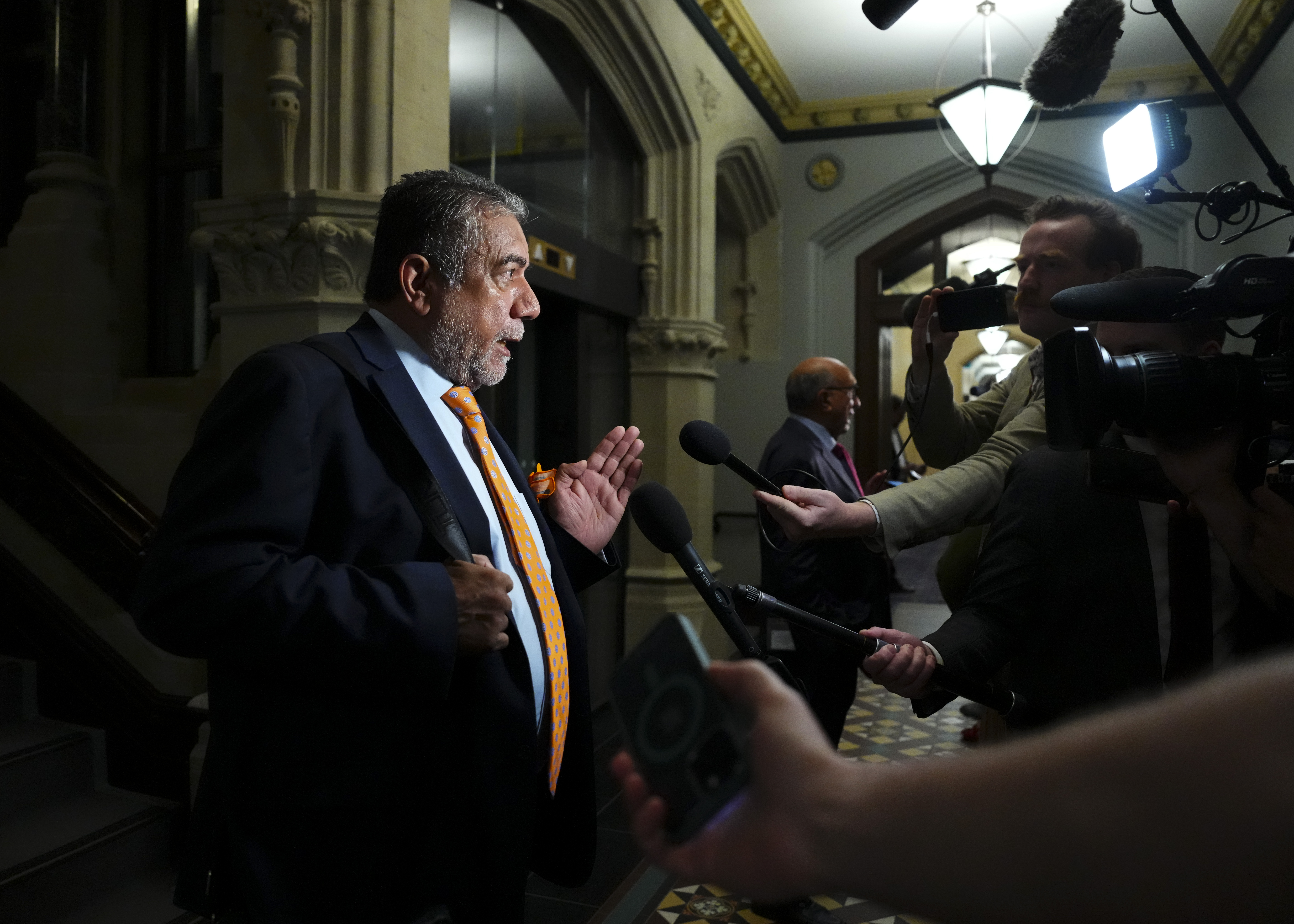
The Canadian Security Intelligence Service (CSIS) is currently caught in a loop of leaking classified memos to the press because the executive branch refuses to act. Liberal MPs are now using these leaks to posture as defenders of democracy. But look at the data—or the lack thereof.
- Criminal Charges: Where are they? If the interference is "continuing" and "escalating," the lack of successful prosecutions under the Security of Information Act is a damning indictment of either the evidence or the willpower of the Department of Justice.
- Diplomatic Reciprocity: Canada expelled 41 diplomats in 2023. India responded in kind. The result? A complete breakdown in intelligence sharing that actually increases the risk of unchecked operations.
- The Technology Gap: While Ottawa complains about WhatsApp groups and "misinformation," they have failed to implement a Foreign Agent Registry. Australia did it. The U.S. has FARA. Canada has "consultations."
The incompetence is staggering. We are fighting a 21st-century gray-zone conflict with 1970s bureaucracy and 2010s virtue signaling.
The Khalistan Variable Nobody Wants to Touch
To understand the India-Canada rift, you have to stop viewing it through the lens of "human rights" versus "authoritarianism." That’s the fairytale sold to the CBC. The actual conflict is a collision between India’s existential security concerns regarding Sikh separatism and Canada’s domestic electoral math.
India views the promotion of Khalistan as a direct threat to its territorial integrity. Canada views the same movement as a protected expression of free speech—which, legally, it is. However, the nuance missed by the Liberal caucus is that "free speech" does not mean "immunity from geopolitical consequence."
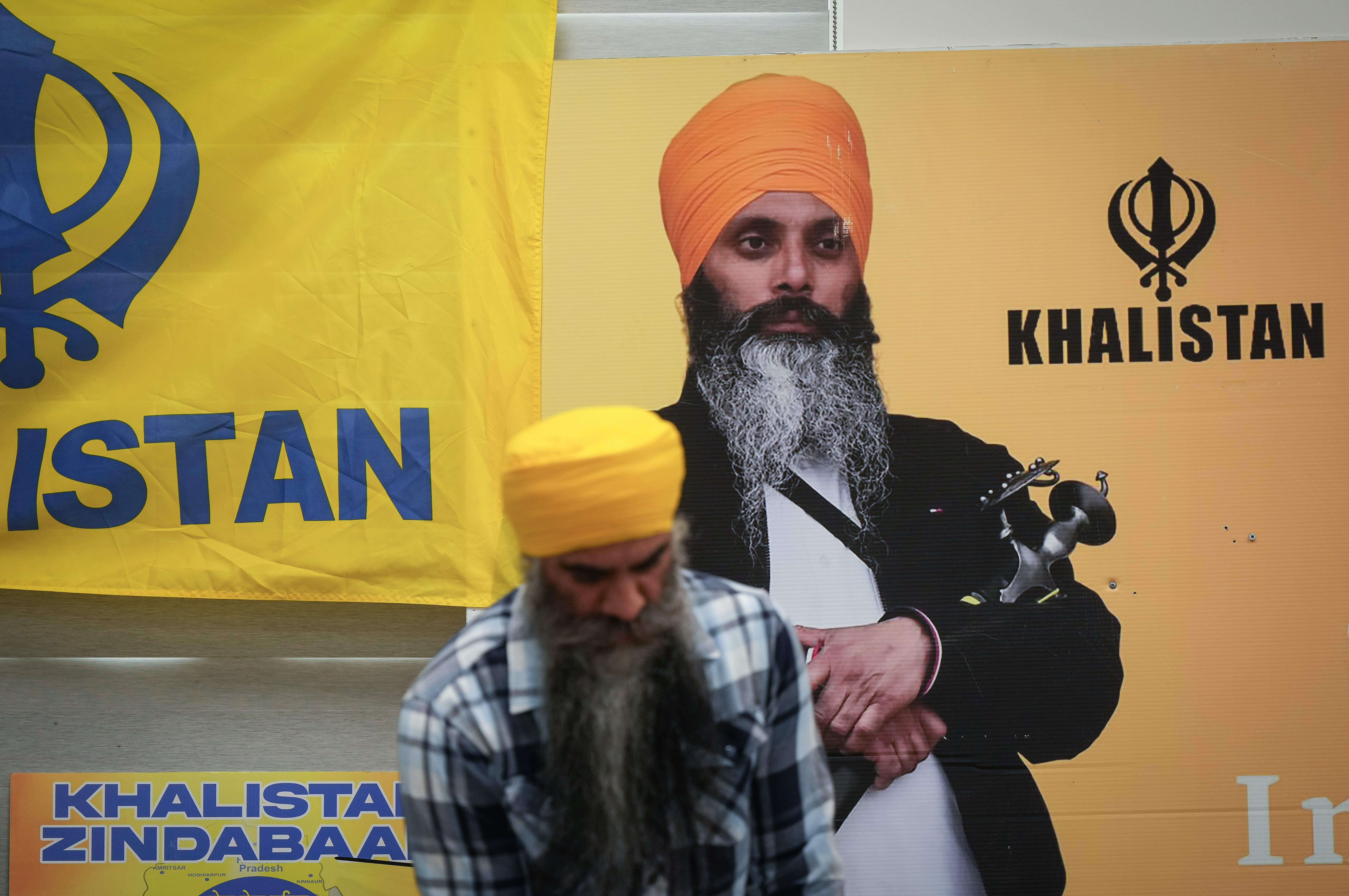
When Canadian officials attend rallies featuring posters of assassinated Indian leaders or maps carved out of Indian territory, they aren't just "supporting a community." They are signaling to a nuclear-armed strategic partner that their domestic votes matter more than the bilateral relationship. India isn't "interfering" in a vacuum; they are responding to what they perceive as a hostile permissive environment.
Digital Sovereignty is a Joke
The government points to "disinformation" on social media as a primary tool of Indian interference. This is the ultimate "wrong question" moment. If a foreign bot farm can sway a Canadian election or radicalize a community, the problem isn't the bot farm—it's the catastrophic failure of the Canadian education system and the hollowness of our national identity.
We have zero digital borders. Our data is stored on servers in Virginia, processed by algorithms in Menlo Park, and consumed by people whose primary source of news is a curated feed of outrage.
- Fact: Canada’s "Online Harm" legislation focuses on protecting feelings rather than hardening infrastructure against state-sponsored psyops.
- Fact: We lack a unified cyber-defense strategy that integrates the Communications Security Establishment (CSE) with local law enforcement to track the flow of foreign funds into digital ad spends.
Instead of building a firewall, we are crying to the principal.
The High Cost of Moral Grandstanding
The downside to my contrarian view is grim: if we stop blaming India and start looking in the mirror, we have to admit that our political system is structurally compromised. It would require a total overhaul of how political parties are funded and how nominations are contested. It would require telling certain voter blocks that their foreign grievances cannot be the primary driver of Canadian foreign policy.
No MP wants to do that. It’s much easier to go on television, look grave, and talk about "defending our values."
Meanwhile, the "interference" continues because the incentives haven't changed. As long as a few thousand votes in a handful of GTA (Greater Toronto Area) ridings can dictate the tilt of the Prime Minister's Office, foreign powers will continue to exert pressure there. It is the highest ROI (Return on Investment) for any intelligence agency in the world.
Stop Asking if They are Interfering
People always ask: "Is India meddling in our affairs?"
The answer is: "Of course they are."
The better question is: "Why is it so easy for them?"
We have created a low-trust, high-fracture society where the state has no backbone to define what is and isn't acceptable behavior for its residents. We have allowed foreign conflicts to be imported, nurtured, and then weaponized for domestic gain.
If you want to stop foreign interference, you don't start by scolding New Delhi. You start by cleaning your own house. You pass the registry. You prosecute the bagmen. You stop attending rallies for foreign separatist movements. You make the cost of entry for foreign spies higher than the price of a party membership.
Until then, every press release from a Liberal MP about "Indian interference" is just a confession of their own impotence.
Build a real country or stop complaining when the adults in the room treat you like a province in search of a personality.