The removal of a central node in a highly centralized command structure creates immediate data spikes across proxy networks and diplomatic sensors. When reports confirm the death of a supreme leader in a state like Iran, the impact is not confined to the borders of the Islamic Republic; it propagates through pre-defined ideological and political channels. In India, the response serves as a diagnostic tool, revealing the density of specific socio-religious alignments and the strategic balancing act required by a non-aligned regional power. To understand the marches and protests currently observed in Indian cities, one must dissect the intersection of transnational religious identity, domestic political signaling, and the logistical reality of the Shia-Sunni demographic distribution.
The Architecture of Transnational Grief
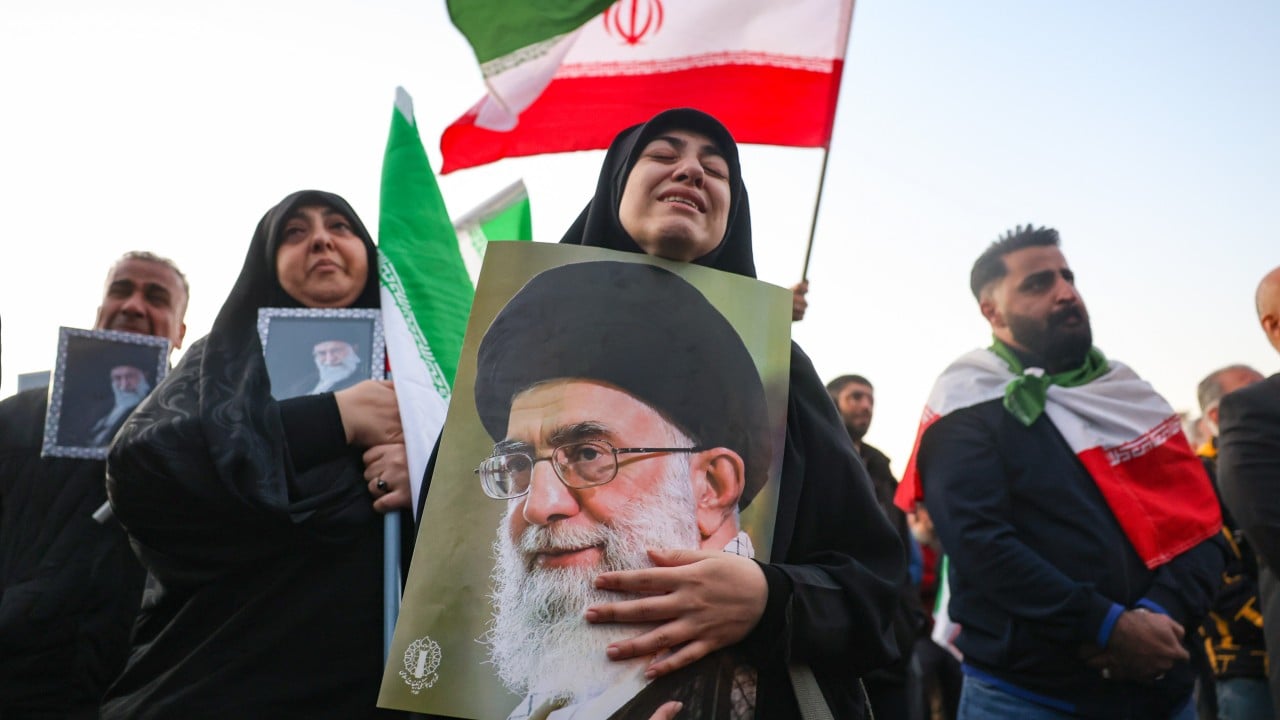
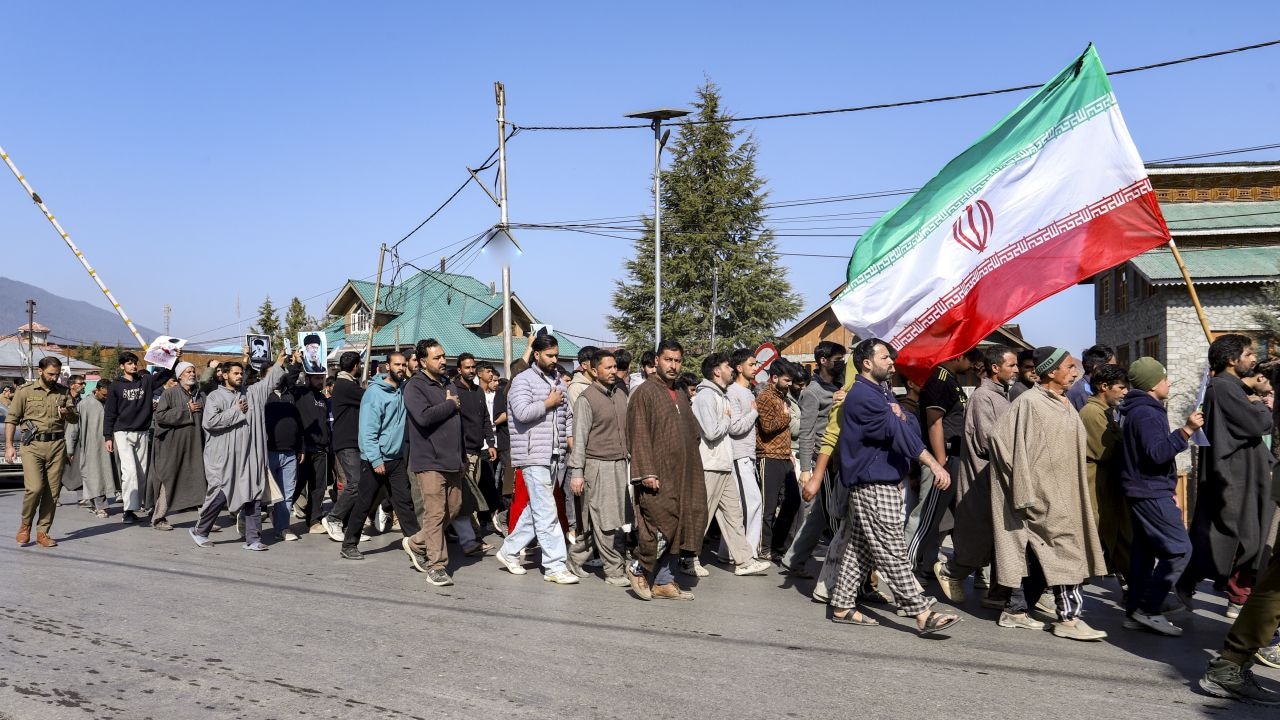
The mourning marches in regions like Jammu and Kashmir, Lucknow, and parts of Mumbai are not spontaneous emotional outbursts but the activation of a long-standing ideological infrastructure. This phenomenon can be categorized through the Three Pillars of Transnational Alignment: In other news, read about: The Sabotage of the Sultans.
- Ecclesiastical Authority (Marja'iyya): Unlike decentralized religious movements, the Shia framework operates on a model of "emulation." When a high-ranking figure—especially one holding the position of Rahbar (Leader)—is removed, it creates a rupture in the spiritual and administrative chain of command that local Indian clerics are duty-bound to acknowledge.
- Symbolic Continuity: Public mourning serves as a stress test for local leadership. By organizing large-scale marches, local political and religious heads demonstrate their ability to mobilize the "street," thereby signaling their relevance to both the Indian state and international observers.
- The Martyrdom Narrative: The Iranian political identity is fundamentally built on the concept of struggle against perceived external oppression. The death of a leader is framed not as a loss, but as a "Shadat" (martyrdom), a powerful psychological tool that transforms grief into a mobilizational asset.
Mapping the Logistics of Protest in India
The geographic distribution of these protests reveals a specific pattern of demographic density and historical Iranian influence. The intensity of the response is a function of historical Persianate cultural ties and modern digital dissemination.
The Northern Corridor (Kashmir and Lucknow)
In Srinagar and Budgam, the reaction is a "High-Signal" event. The closure of markets and the suspension of daily commerce are not merely signs of respect but indicators of the totalizing nature of religious identity in these pockets. In Lucknow, the "Shiraz of the East," the response is more performative and institutional, driven by established Shia waqfs (endowments) and schools. These locations act as regional hubs where information is synthesized and broadcasted to smaller satellite communities. The Washington Post has also covered this critical subject in great detail.
The Urban Nodes (Mumbai and Hyderabad)
In these metros, the response is more fragmented. The protests here serve as a "Cost Function of Visibility." Organizers must navigate stringent urban policing and the scrutiny of a diverse public. The marches are often confined to specific neighborhoods (like Dongri in Mumbai), functioning as an internal reinforcement of community solidarity rather than an outward-facing political demand.
The Causality of the Security Response
The Indian government’s approach to these protests is governed by the Doctrine of Managed Venting. State authorities recognize that suppressing mourning ceremonies can lead to radicalization or a shift toward subterranean dissent. Instead, the security apparatus employs a strategy of perimeter containment.
- Communication Throttling: In sensitive zones, mobile data speeds are often reduced to prevent the viral spread of inflammatory rhetoric or "deep-fake" videos that could misrepresent the circumstances of the leader's death.
- Clerical Interfacing: Intelligence agencies maintain direct lines with local Imambaras. The trade-off is clear: the state permits the march, provided the rhetoric remains focused on religious mourning rather than domestic anti-state agitation.
- Buffer Zones: Police deployment is calculated based on the proximity of the mourning route to areas with historical sectarian friction. The objective is to prevent the "Spillover Effect," where a Shia mourning march is perceived as a provocation by other communal groups.
The Economic and Strategic Equilibrium
India’s reaction is further complicated by the Energy-Security Paradox. Iran remains a critical, albeit volatile, partner in the International North-South Transport Corridor (INSTC) and the development of the Chabahar Port.
- Infrastructure Vulnerability: Any prolonged instability in Tehran following a leadership vacuum puts Indian investments at risk. The marches in India are watched by the Ministry of External Affairs (MEA) as a barometer of how a "post-Khamenei" Iran might influence India's internal stability.
- The Diaspora Feedback Loop: Millions of Indians work in the Gulf Cooperation Council (GCC) countries, many of which are regional rivals of Iran. The Indian state must ensure that the pro-Iran protests at home do not translate into a diplomatic liability that affects the safety or employment of the Indian diaspora in Saudi Arabia or the UAE.
Cognitive Dissonance in Digital Reporting
Current media coverage of these events suffers from "Observational Bias," focusing on the visual spectacle of black-clad marchers while ignoring the underlying data of the "Silent Majority." While thousands march, millions of Indian citizens remain indifferent or actively critical of the Iranian regime's record. This creates a distorted perception of national sentiment.
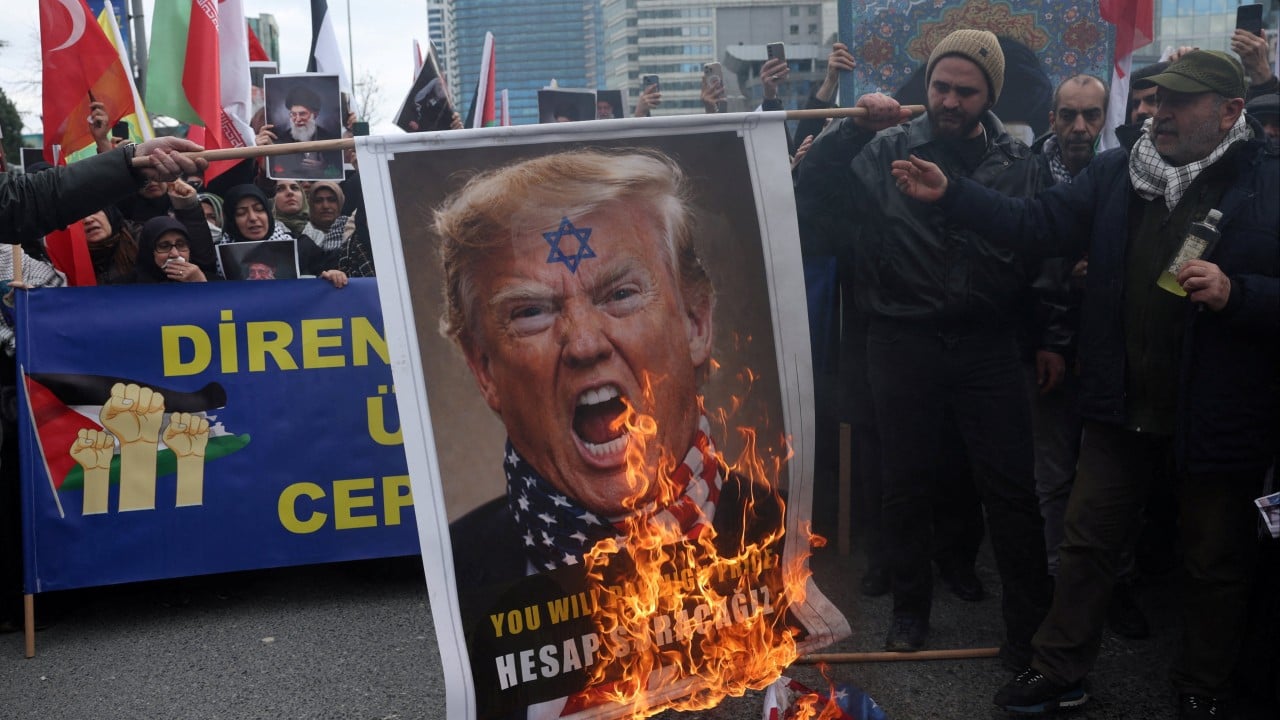
The mechanism of this distortion is the Algorithm of Intensity. Digital platforms prioritize high-emotion content (crying, chanting, flag-burning), which gives the impression of a nationwide crisis when, in reality, the disruption is hyper-localized.
The Strategic Play for Regional Stability
The immediate requirement for the Indian intelligence and diplomatic corps is the transition from "Reactive Monitoring" to "Predictive Engagement." The death of a leader in Tehran is a systemic shock that tests the resilience of the Indo-Iranian relationship.
The strategic priority is the identification of the "Succession Path." If the transition in Tehran is contested, the protests in India will likely evolve from mourning to factional advocacy. Indian security agencies must now map which local Indian groups align with which potential Iranian successors (e.g., the conservative clerical establishment versus the IRGC-backed pragmatists).
Maintaining the current "Neutrality Buffer" requires the following actions:
- Standardizing the legal limits of "Extraterritorial Mourning" to ensure religious freedom does not become a conduit for foreign political interference.
- Accelerating the diversification of energy imports to minimize the "Volatility Premium" associated with Iranian political shifts.
- Strengthening the "Community Policing" model in Shia-majority pockets to prevent external actors from co-opting local grief for broader geopolitical disruption.
The situation demands a clinical separation of religious sentiment from state policy. As the mourning period concludes, the focus must shift to the technicalities of the new Iranian leadership's stance on regional connectivity and counter-terrorism, as these are the variables that will ultimately dictate the stability of the Indian subcontinent's western flank.
Would you like me to analyze the specific economic impact of this leadership vacuum on the Chabahar Port agreement and India's trade route to Central Asia?