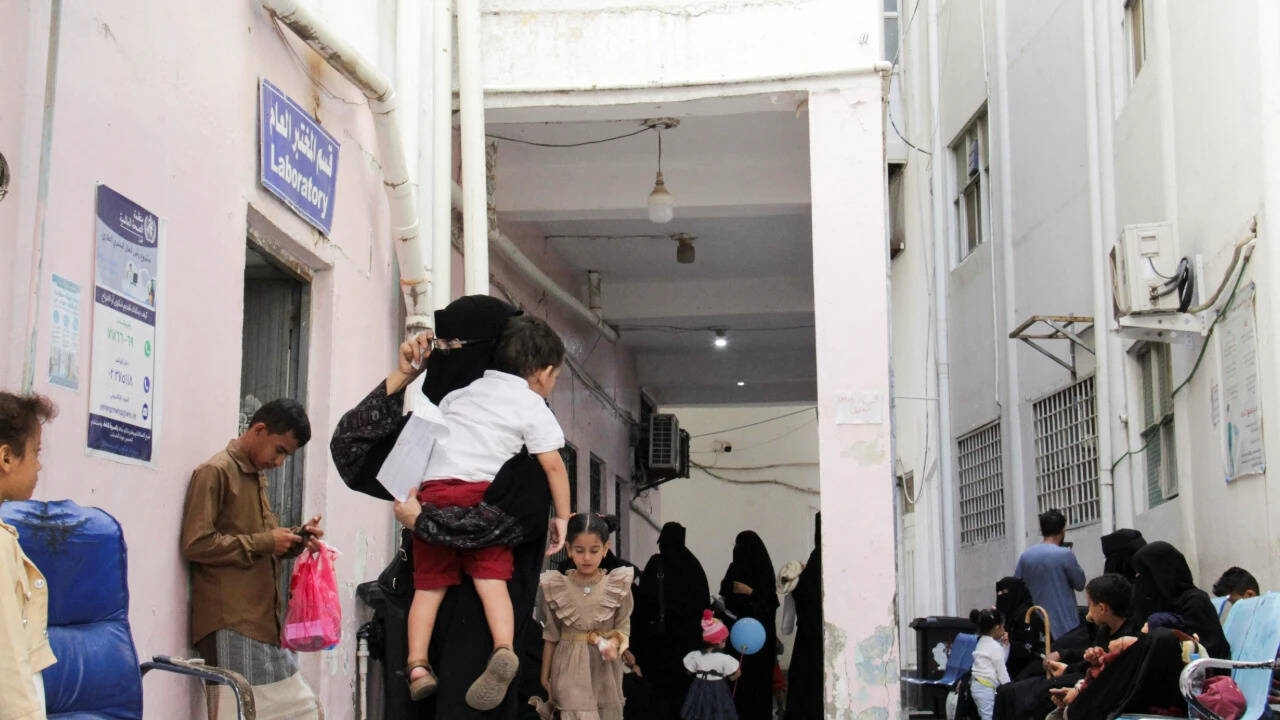
In the neonatal wards of Taiz, Yemen, a fuel shortage is not an inconvenience. It is a countdown. When diesel deliveries stall at checkpoints or dry up due to currency collapse, hospital generators sputter out, shutting down the oxygen concentrators and incubators that keep premature infants alive. Without electrical power, pressurized oxygen systems fail, room temperatures plummet in the highland nights, and medical staff are forced to manually ventilate fragile newborns until their hands cramp or the oxygen tanks run completely dry.
Most international coverage treats these blackouts as sudden, isolated emergencies. They are not. What is happening in the hospitals of Taiz is the predictable, mechanical consequence of a fractured energy grid, a years-long siege economy, and a humanitarian supply chain that relies on expensive, volatile fossil fuels to run basic life-support infrastructure.
The Anatomy of a Neonatal Blackout
To understand why a lack of diesel translates directly into infant mortality, you have to look at how a modern neonatal intensive care unit (NICU) actually functions—and how stripped-down the facilities in Taiz have become.
Premature babies are born with underdeveloped lungs that lack surfactant, a slippery substance that keeps tiny air sacs from collapsing. To survive, they need continuous positive airway pressure (CPAP) machines or mechanical ventilators delivering a precise mix of warmed, humidified oxygen. They also lack the subcutaneous fat required to regulate their own body heat. An incubator is not a luxury; it is an artificial womb maintaining a strict thermal environment.
In a functioning healthcare system, these machines draw from a stable municipal power grid, backed up by automated hospital generators and bulk liquid oxygen tanks. In Taiz, the municipal grid has been effectively dead for years, shattered by artillery fire and stripped of copper wiring during the height of the Yemeni civil war. Hospitals operate entirely off-grid, running massive industrial diesel generators 24 hours a day.
When fuel runs out, the cascade of failure is rapid:
- Oxygen Generation Halts: Many Yemeni hospitals rely on on-site Pressure Swing Adsorption (PSA) oxygen plants rather than bulk liquid oxygen, which is too dangerous and difficult to transport across frontlines. PSA plants require massive, uninterrupted electrical loads to compress ambient air and strip out nitrogen. No diesel means the plant stops producing oxygen within minutes.
- Thermal Shock Sets In: Taiz sits in the Yemeni highlands at an elevation of roughly 4,500 feet. Nights are cold. Once incubators lose power, internal temperatures drop rapidly. For a two-pound newborn, hypothermia triggers a spike in metabolic demand, causing blood sugar to crash and breathing to fail.
- Backup Batteries Bleed Out: Internal batteries on ventilators and infusion pumps are designed to bridge a 30-minute gap while a generator kicks on. In Taiz, those batteries have been cycled to death over years of chronic power cuts, often holding less than ten minutes of charge.
When the power dies, nurses fall back on bottled oxygen cylinders and manual bag-valve-mask ventilation. A human being must physically squeeze a rubber bag every few seconds to force air into a baby's lungs. If there are twelve babies on ventilators and four nurses on shift, the math becomes lethal.
Why Taiz Remains an Energy Chokepoint
Taiz is Yemen’s third-largest city and its cultural heartland, yet it occupies a uniquely suffocating geographic and political position. Since 2015, the city center has been controlled by forces aligned with the internationally recognized government, while the surrounding high ground and primary access roads have been heavily contested or blockaded by Houthi forces.
Even during periods of relative calm or localized truces, moving commercial goods into the city requires navigating a gauntlet of mountain dirt tracks, military checkpoints, and arbitrary taxation. A trip that used to take twenty minutes along a paved highway turned into an eight-hour grueling haul up steep, unpaved switchbacks.
Fuel tankers pay a heavy price to make that climb.
Every checkpoint along the route demands transit fees. Wear and tear on heavy trucks navigating rocky mountain passes drives up transport costs. By the time a liter of diesel reaches a hospital storage tank in Taiz, its price has been inflated by transport friction, currency depreciation, and black-market markups.
The Two-Currency Trap
The fuel crisis is rarely about a global shortage of oil; it is almost always a crisis of liquidity and monetary warfare. Yemen operates with two rival central banks—one in Sanaa, one in Aden—and two diverging valuations of the Yemeni rial.
In government-held areas like Taiz city, the rial has suffered catastrophic inflation. Hospitals operate on fixed, shrinking budgets or sporadic stipends from international aid agencies. When the local currency drops against the dollar, a hospital’s monthly fuel budget suddenly buys half as much diesel. Administrators are forced to ration generator hours, shutting off power to administrative wings, outpatient clinics, and eventually, rationing power to critical care units during non-peak hours. You cannot ration electricity to an incubator.
The Blind Spot in Humanitarian Aid
Walk through the logistics of international medical aid in Yemen, and a glaring structural flaw emerges. For nearly a decade, major international donors and non-governmental organizations (NGOs) have funded emergency fuel deliveries to keep Yemeni hospitals running. They pay for the diesel, they pay for generator maintenance, and they pay for emergency oxygen refills.
It is a Band-Aid applied to a severed artery.
By continuously subsidizing diesel rather than overhauling the energy infrastructure, aid agencies locked hospitals into a dependency on the most expensive, easily disrupted supply chain in a war zone. Diesel is heavy, flammable, easy to tax at checkpoints, and easy to divert onto the black market. Every time donor funding cycles pause, or a political dispute freezes bank transfers, the fuel trucks stop rolling, and the headlines about dying newborns reappear.
The Solar Transition That Moved Too Slowly
Some facilities in Yemen have installed solar microgrids with lithium-ion battery banks, backed by funding from organizations like the World Health Organization and the World Bank. Where these systems have been properly engineered and maintained, they have dramatically reduced diesel consumption.
Yet in Taiz, the transition has been uneven and fraught with technical hurdles:
- High Peak Loads: Solar panels easily handle lighting, patient monitors, and computers. Running heavy inductive loads like PSA oxygen plants, surgical autoclaves, and HVAC systems requires massive battery arrays and high-capacity inverters that cost millions of dollars per facility.
- Maintenance Without Parts: When a specialized solar inverter burns out due to voltage spikes or dust accumulation, replacement parts must be imported through blockaded ports like Hodeidah or Aden, cleared through customs, and hauled up the mountains.
- Roof Space Limitations: Urban hospitals in Taiz are densely built multi-story concrete structures. They often lack the square footage required to mount enough photovoltaic panels to achieve 100% energy independence.
Even where solar panels exist, diesel remains the mandatory backbone for heavy medical equipment. Until that changes, the neonatal ward remains hostage to the price of a barrel of fuel and the mood of the commander at the nearest mountain checkpoint.
The Human Toll on the Ward Floor
The clinical consequences of chronic power instability extend far beyond the infants who die during an acute blackout. Medical staff in Taiz describe a state of permanent triage that erodes standard medical protocols.
Consider a hypothetical scenario that plays out regularly in under-resourced NICUs during power rationing. A facility has enough backup battery power and bottled oxygen to sustain four critical patients through a six-hour generator shutdown. Six premature infants are currently in distress. The attending physician—often a junior doctor because senior specialists fled the country years ago—must decide which infants receive mechanical ventilation and which are placed on low-flow nasal cannulas that may not provide enough pressure to keep their lungs open.
For the babies who survive prolonged periods of low oxygen—a condition known as hypoxia—the damage is often permanent. Oxygen deprivation in the first days of life leads to hypoxic-ischemic encephalopathy, cerebral palsy, blindness, and severe developmental delays. In a region with virtually no specialized pediatric rehabilitation services, a non-fatal blackout still alters the trajectory of a child’s life and places an impossible financial burden on their family.
Meanwhile, the psychological toll on Yemeni nurses and doctors is staggering. Many work for months without regular salaries, surviving on stipends while watching preventable deaths occur because a fuel tanker was delayed by a landslide or a customs dispute. Burnout is total, yet they stay because there is no one else to squeeze the ventilation bags when the lights go out.
Breaking the Cycle of Fuel Dependency
Stopping these preventable deaths requires moving past reactive emergency fuel drops. Keeping newborns alive in Taiz demands a fundamental shift in how conflict-zone healthcare is powered and financed.
First, decentralized oxygen generation must be paired with dedicated, isolated solar-plus-storage systems. Instead of tying the NICU and the oxygen plant to the main hospital grid—where power gets drained by elevators, kitchens, and administrative offices—engineers must build self-contained energy islands exclusively for neonatal and intensive care units. Separating critical life support from general hospital loads drastically reduces the battery capacity needed to survive the night.
Second, international donors must establish ring-fenced fuel reserves specifically for maternal and neonatal hospitals, managed through multi-year funding commitments rather than six-month emergency grants. Short-term funding cycles create administrative gaps; administrative gaps create empty fuel tanks.
Finally, diplomatic pressure regarding Taiz cannot remain focused solely on broad ceasefire agreements that stall for years. Humanitarian corridors must treat hospital diesel and medical-grade oxygen components with the same inviolable status as vaccines and surgical supplies, stripping away the checkpoint taxes and bureaucratic delays that turn a routine delivery into a life-or-death race against the clock.
Until energy infrastructure is treated as a core medical intervention rather than an operational afterthought, the sound of a sputtering generator in Taiz will remain a death sentence for the city's smallest patients.