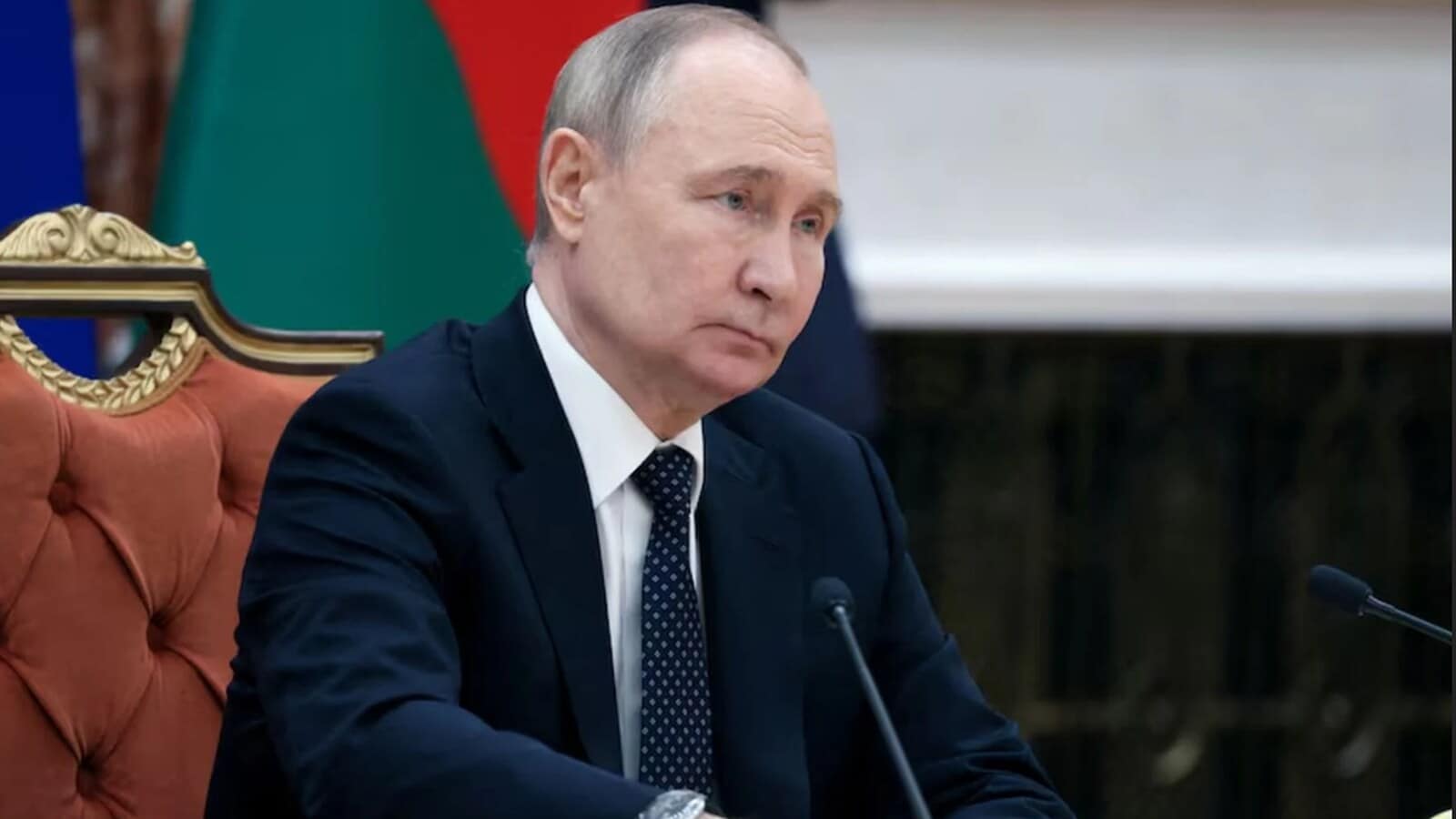
German Chancellor Friedrich Merz didn't mince words after his conservative party took a historic beating at the polls. He called it a disaster. He wasn't wrong. Across regional contests in Mecklenburg-Western Pomerania and Berlin, the Christian Democratic Union faced stinging defeats, getting squeezed by both the far-right Alternative for Germany and left-wing competitors. Yet, despite plunging approval ratings and open whispers of rebellion within party ranks, Merz is refusing to budge.
Stubbornness in politics usually looks like denial. In Merz's case, it looks like a desperate gamble that nobody else actually wants the steering wheel while the car is careening toward a ditch. In other news, read about: The Structural Anatomy of Managed Electoral Dominance.
The Anatomy of a Collapse
To understand why the German election disaster happened, you have to look past standard political punditry. Germany's industrial engine is sputtering, energy costs are punishingly high, and voters are furious. When Merz took office promising a radical economic turnaround, expectations were impossibly high.
Reality hit hard. Reforms aimed at stabilizing public finances and restructuring pensions alienated large chunks of the electorate. Voters in eastern states like Saxony-Anhalt and Mecklenburg-Western Pomerania leaned heavily into anti-establishment rhetoric, fueling massive gains for the AfD. Meanwhile, urban centers like Berlin rejected conservative platforms in favor of leftist alternatives. The Guardian has provided coverage on this important topic in extensive detail.
The coalition government is creaking under the weight of these contradictions. The Social Democrats, tied at the hip with Merz in federal governance, are watching their own support evaporate. When governing parties bleed voters simultaneously, the center loses its grip.
Why Merz Is Refusing to Resign
History suggests that when a leader oversees a regional wipeout, their days are numbered. Lawmakers start plotting in back rooms. Challengers dust off their resumes.
So why is Merz staying put?
Simple math and a lack of viable heirs. Nobody wants to inherit a fractured party and a stalling economy right before a brutal legislative cycle. True political survival often depends less on popularity and more on the absence of a credible alternative. Senior party figures know that launching a civil war over leadership right now would only accelerate the CDU's downward spiral.
Merz is betting that sheer endurance will shield him. He recently made it clear during industrial policy addresses that he has zero interest in becoming the nation's darling. He wants to push through contentious structural overhauls regardless of how much political capital it costs him.
The Road Ahead for Berlin
The turbulence in German politics isn't a temporary blip. It signals a deep realignment of voter trust in Europe's largest economy. Traditional catch-all parties are bleeding support to political fringes on both sides.
If Merz wants to salvage his tenure, he has to prove that his economic medicine actually works before voters head back to the polls in upcoming state showdowns. Time is running out, and public patience is exhausted. Clinging to power might keep him in the chancellor's office today, but survival without momentum is just a slow countdown.
Merz's CDU suffers total wipeout in German state election
This video provides a concise look at the historic losses faced by Friedrich Merz's Christian Democratic Union party during the crucial regional elections.