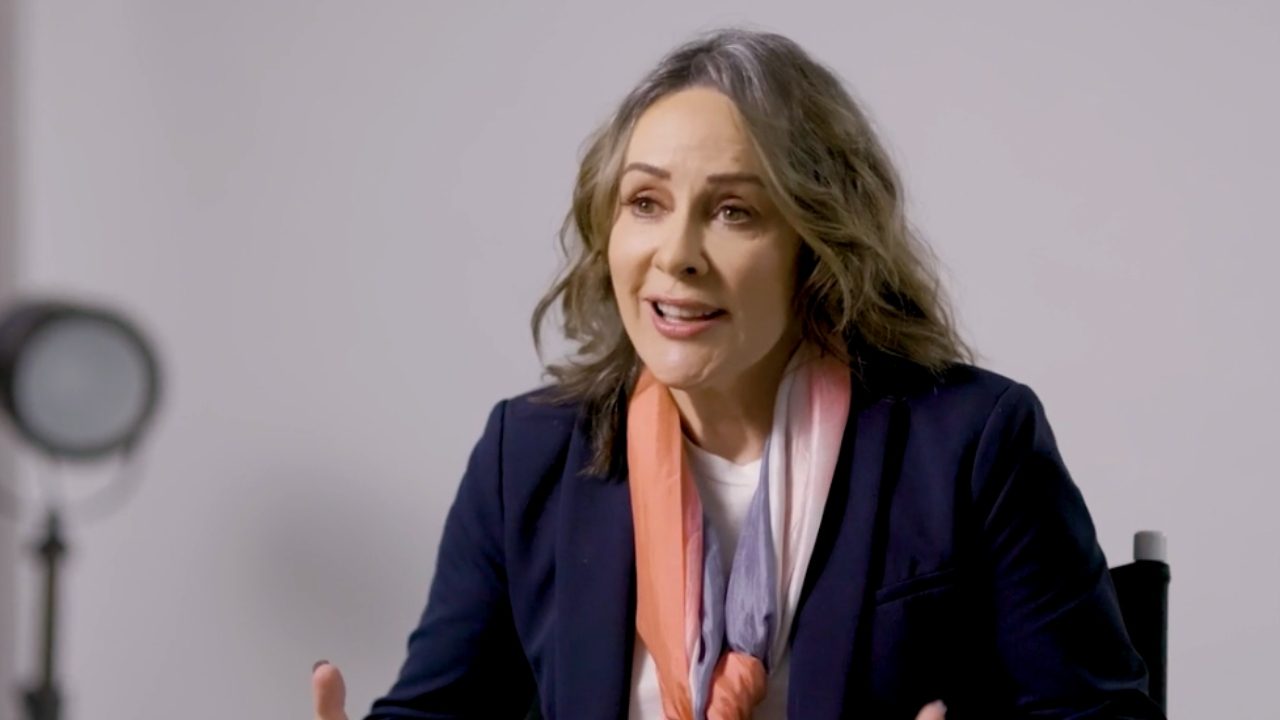
Elections get messy fast. When former Lieutenant Governor Mandela Barnes suspended his campaign for the Wisconsin Democratic gubernatorial nomination, the political math changed overnight. State Representative Francesca Hong found herself in a unique position. Fresh off a Marquette Law School Poll showing her leading the primary field with 38 percent of the vote, she was immediately pressed on whether she would seek Barnes' endorsement.
Her answer? Undecided.
It is a calculated gamble in a compressed primary timeline. With the August 11 primary looming just weeks away, candidates are scrambling for every available vote. Barnes commanded a loyal following, particularly among older and moderate Democrats who balanced out Hong’s core base of younger and very liberal voters. Snagging his formal backing could theoretically lock down the center-left. So why hesitate?
Navigating the Shifting Primary Map
Wisconsin politics rarely follows a straight line. The Democratic primary field has shrunk dramatically through a wave of suspensions. Missy Hughes bowed out in June, followed by Sara Rodriguez in mid-July. Milwaukee County Executive David Crowley actually suspended his campaign before un-suspending it ten days later. Amid this constant churn, Hong’s campaign has climbed to the front, outperforming remaining rivals like Crowley, Joel Brennan, and Kelda Roys.
Accepting or aggressively pursuing high-profile nods can backfire. Endorsements come with baggage. They can alienate anti-establishment voters or tie a candidate to specific factions of the party. Hong has built her momentum by positioning herself as a progressive champion focusing on working families, universal childcare, and fully funded public schools. Leaning too hard into traditional establishment endorsements might muddy that message.
Where Do Barnes Voters Go Now?
The real scramble is for the voters Barnes left behind. Polls indicate that Barnes drew significant support from moderates and older demographics who view candidates differently than Gen Z and millennial voters do. When Barnes dropped out via social media, thousands of ballots became up for grabs.
Data shows that a solid chunk of Barnes' supporters listed other candidates as their second choice, while many others simply went back to the undecided column. Hong doesn't automatically inherit that coalition. Her progressive platform resonates deeply with the party's left flank, but winning a statewide primary requires building a coalition that stretches past Madison and Milwaukee.
If Hong plays her cards right, she doesn't need a formal endorsement headline to win over those voters. She needs to show she can govern for the entire state.
The Final Stretch Before August 11
With early voting already underway and less than two weeks until primary day, campaigns are running on pure adrenaline. Staying undecided on a marquee endorsement lets Hong keep the focus squarely on her own platform rather than internal party horse-trading.
Voters are tired of political theater. They want to know who will lower healthcare costs and fix public infrastructure. Hong’s refusal to instantly chase the nearest big-name backing signals a campaign focused on grassroots mobilization rather than backroom consolidation. Whether that strategy pays off on election night will determine the trajectory of Wisconsin's Democratic party for the November general election.