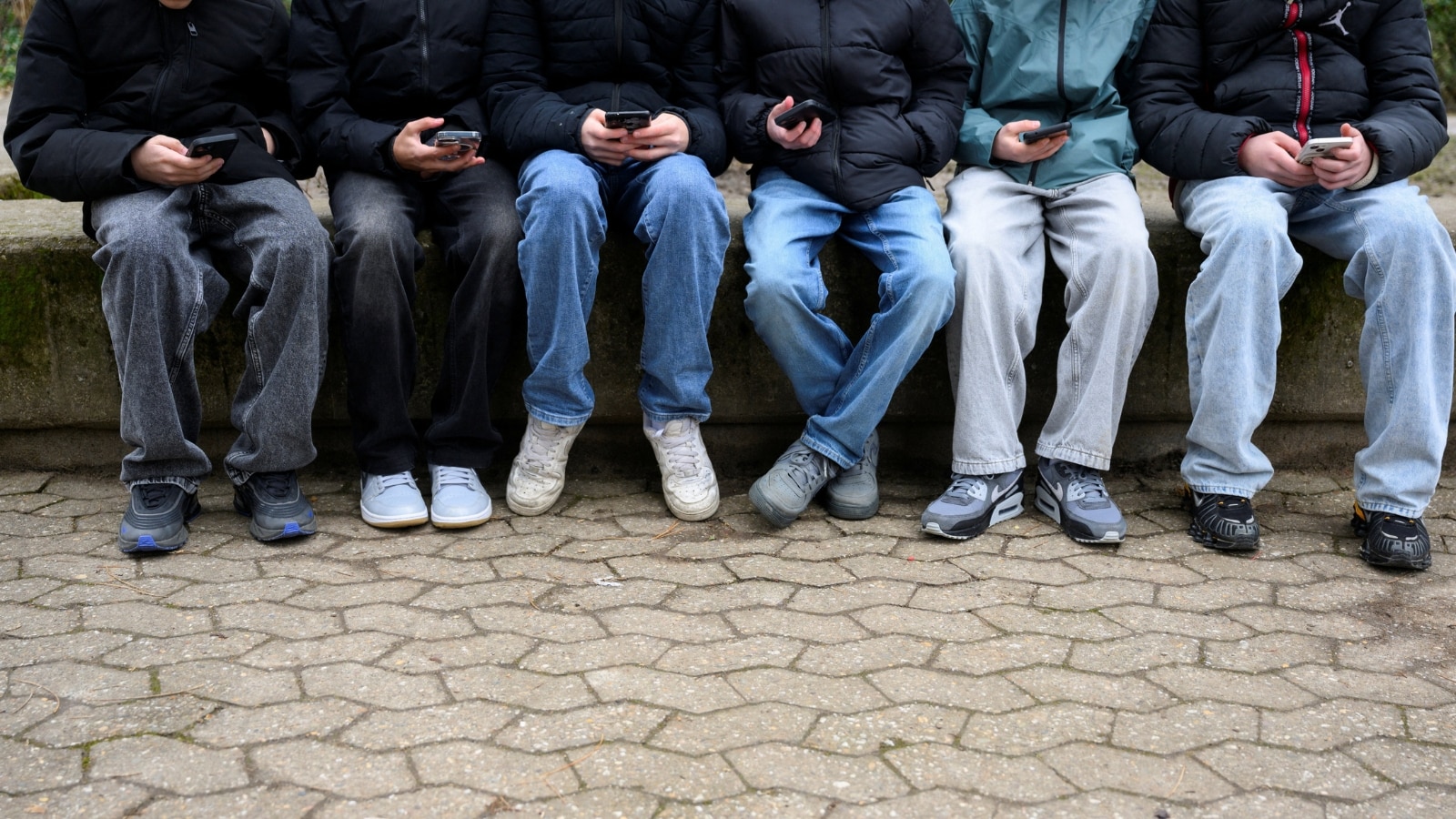
France just made history by passing a full-blown ban on social media for anyone under 15. Parliament approved the bill by a massive margin—279 to 81—and President Emmanuel Macron wants it enforced by the time kids go back to school this September.
It sounds like a victory for overwhelmed parents. Everyone is worried about infinite scrolling, plummeting self-esteem, and toxic algorithms. But honestly, passing a law in a grand parliamentary chamber is the easy part. Making it actually work on an iPhone in Paris is a completely different story.
This isn't just about France. Australia already pulled off an under-16 ban, and countries like Spain, Greece, and Denmark are lining up right behind them. Europe is trying to build a digital wall around its youth.
The problem? The tech behind enforcing this wall is a total mess.
What the French Law Actually Demands
The new legislation hits hard on paper. Starting September 1, anyone under 15 is barred from creating new social media accounts on platforms like TikTok, Instagram, Snapchat, and X. By January 2027, platforms have to go back and purge or freeze existing underage accounts.
It doesn't stop at user bans either. Influencer promotions aimed at kids are banned, and any social media ad in France will now have to carry a stark warning: “Dangerous products for children under 15”. The law even stretches into physical classrooms, banning mobile phone usage in high schools.
Educational hubs, scientific directories, and online encyclopedias are exempt. Everything else—the apps kids actually spend three hours a day on—is on the chopping block.
Macron framed the move bluntly, stating that "the brains of our children and our teenagers are not for sale". But saying platforms can't harvest young brains and actually stopping a tech-savvy 14-year-old from opening a secondary account are two very different reality checks.
The Age Verification Problem Nobody Can Solve
How do you check if someone online is 14 or 16 without ruining privacy for everyone else?
Right now, tech platforms rely on two main methods for strict age checks:
- Government ID Uploads: Users scan a driver's license, passport, or national identity card.
- Biometric Face Scanning: Algorithms estimate age by scanning facial features through a selfie video.
Both options create massive headaches. Forcing teenagers—or every single French citizen—to upload government identity documents to corporate databases operated by Meta, ByteDance, or X is a privacy nightmare waiting to happen. One data breach and millions of legal IDs end up on the dark web.
Biometric estimation isn't much better. A mature-looking 13-year-old easily passes as 16, while a 17-year-old with late physical development gets locked out.
Kids are already laughing at these technical barriers. VPNs (Virtual Private Networks) take about thirty seconds to install on a phone, allowing a French teen to instantly route their internet connection through Germany or Belgium, bypassing French geography entirely. Parents rarely know how to block VPN protocols at the router level.
Opponents of the bill in the French parliament hit the nail on the head during debates: enforcing this either destroys online anonymity for adults or forces a surveillance system so heavy it won't survive a constitutional challenge.
Why Governments Are Panicking Right Now
Governments aren't passing these heavy-handed bans just to score political points. The mental health numbers behind adolescent phone use are genuinely alarming.
Data from French health watchdogs shows that roughly 90% of kids between 12 and 17 use smartphones daily, with more than half spending up to five hours plugged in. In France, several grieving families have actually filed lawsuits against TikTok, claiming recommendation algorithms pushed their teenagers toward self-harm and suicide.
When algorithm loops repeatedly feed vulnerable kids content about eating disorders, anxiety, or extreme behavior, passive parental controls fail. Parents are burnt out. They feel completely outmatched by billion-dollar engineering teams whose sole job is to maximize screen time.
That's why public support for these bans among parents is so high. They want the government to act as a sledgehammer because gentle nudge policies haven't worked.
The Bigger Threat: A Fractured European Web
France pushing this through creates a legal mess inside the European Union.
The EU recently rolled out its Digital Services Act (DSA), a massive framework designed to regulate online platforms across all 27 member states. The European Commission originally flagged the French bill because it risks overlapping with or outright contradicting DSA rules.
If France sets its limit at 15, Australia sets theirs at 16, Spain targets 16, and an EU panel suggests 13, tech platforms are forced to build fractured, country-specific versions of their products.
That sounds great if you hate Big Tech, but in practice, it leads to a fragmented internet where users constantly deal with invasive age checks, pop-up verifications, and broken app experiences.
What Parents and Tech Users Should Expect Next
If you're living in France—or anywhere in Europe—don't expect social media to vanish for kids overnight on September 1.
First, the French Constitutional Council will almost certainly review the bill to determine if forcing identity verification on internet users violates fundamental civil liberties and online privacy rights. That legal challenge could delay enforcement past the fall target.
Second, expect a wave of third-party "age verification" middleman apps to pop up. Rather than sending your ID directly to TikTok, you'll likely verify through a certified third-party service that passes a digital token saying "verified over 15" to the platform.
If you want to protect your family's digital privacy while these laws get sorted out, here are concrete steps you can take today:
- Secure the home network: Block known VPN protocols and third-party DNS changes directly on your home Wi-Fi router settings so kids can't easily bypass local network rules.
- Audit hardware permissions: Use built-in OS tools like Apple Screen Time or Google Family Link at the operating system level rather than relying on social media apps to self-police.
- Prepare for identity requests: If you use social platforms in Europe, avoid uploading raw passport or driver's license scans directly to unverified forms; wait for official guidance on Arcom-approved verification channels.
Legislation can set a line in the sand, but code ultimately dictates how people use the internet. Banning under-15s makes for great political speeches, but until someone invents a privacy-safe, un-bypassable way to check age online, French teens will keep doing what teens have always done: finding a way around the rules.