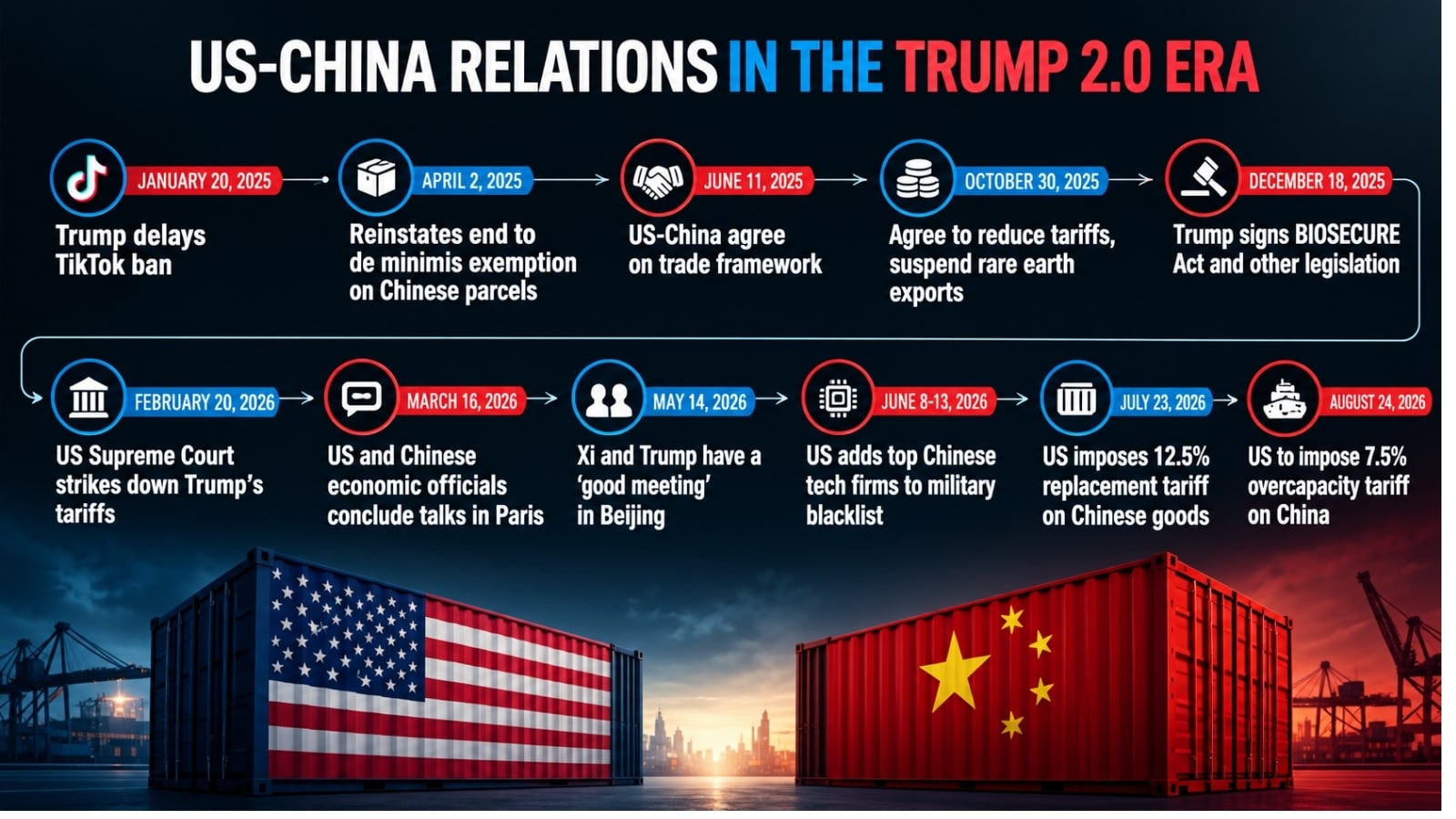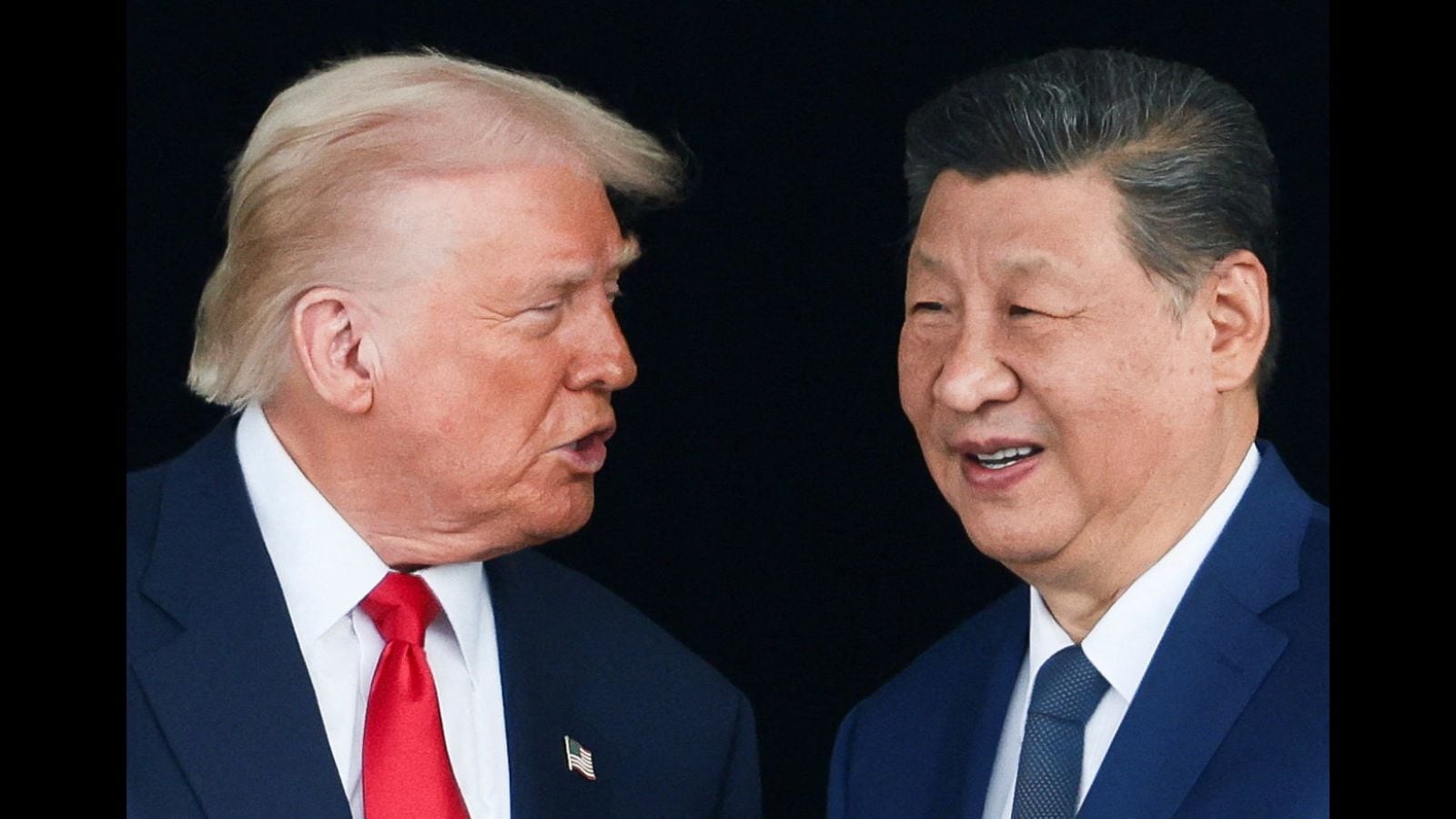
The diplomatic choreography preceding a high-stakes summit between superpowers always follows a predictable script. Envoys posture, state-run media outlets exchange salvos, and international observers parse every adjective for signs of compromise. Yet when Beijing recently formalized its framework of four absolute boundaries—with Taiwan and human rights anchoring the core of its non-negotiable positions ahead of a presidential summit—the messaging shifted from routine diplomatic friction to something far more permanent. This is not mere rhetoric designed for domestic consumption. It is an operational blueprint outlining the exact pressure points where Beijing expects Washington to back down, and where the Chinese state has decided it will absorb maximum economic pain rather than yield an inch.
To understand why these parameters are drawn with such rigidity, one must abandon the comforting illusion that bilateral relations are cyclical. They are structural. When senior diplomatic representatives explicitly bracket Taiwan alongside domestic political systems, development rights, and ideological governance, they are fusing core security interests with the absolute survival of the ruling party. For foreign policy analysts, the danger lies not in the existence of these boundaries, but in the shrinking buffer zone between them.
The Taiwan Variable and the Calculus of Deterrence
At the center of this diplomatic architecture sits Taiwan. For decades, strategic ambiguity served as the duct tape holding together a fragile cross-strait understanding. Washington maintained formal diplomatic ties with Beijing while supplying Taipei with defensive arms, operating on the assumption that time would dilute the urgency of the question. That assumption has expired.
Beijing views the island not as a diplomatic bargaining chip, but as an existential test of national completeness and historical vindication. Every congressional delegation that lands in Taipei, every defense package approved on Capitol Hill, and every multilateral statement referencing stability in the Taiwan Strait is logged by Beijing as an incremental breach of its sovereignty.
Consider a hypothetical scenario to illustrate the mechanism of escalation. If a future legislative package accelerates advanced asymmetrical weapons delivery to the island, it triggers an immediate military response in the form of intensified air and maritime incursions designed to normalize a new baseline of operational control. Beijing's strategy relies on incrementalism—pushing the envelope of presence until the status quo is legally and practically rewritten without ever firing a shot that forces a total war.
Washington, conversely, finds itself trapped by its own credibility commitments. If the security architecture of the Indo-Pacific collapses because allies lose faith in American deterrence, the broader network of global alliances unravels. This creates a terrifying zero-sum dynamic. Neither superpower can afford to blink, yet both are walking down a narrowing corridor built on mutually exclusive outcomes.
Weaponizing Sovereignty: The Human Rights Impasse
The inclusion of human rights and political systems alongside territorial sovereignty represents a calculated refusal to separate trade and security from domestic governance. Western foreign policy has traditionally operated on the premise that economic engagement would eventually foster political liberalization. Beijing's current posture delivers a brutal rejection of that theory.
By labeling criticisms of its internal governance, labor practices, and legal frameworks as direct challenges to its political system, Beijing effectively criminalizes routine diplomatic advocacy. When Washington imposes sanctions or restricts technology transfers citing human rights concerns, Beijing does not view them as regulatory disputes. It views them as regime-change operations carried out by other means.
This stance turns every multilateral forum into a minefield. Supply chain due diligence laws, forced labor prevention acts, and technology export controls are reinterpreted by Chinese state planners as economic aggression aimed at halting national development. Consequently, retaliatory measures—ranging from critical mineral export controls to sudden regulatory investigations into foreign firms operating within mainland markets—are deployed with surgical precision.
The economic fallout is absorbed as a necessary cost of sovereignty. Foreign corporations that spent decades treating the mainland as an endless consumer paradise are now discovering that political compliance supersedes profit margins. Boards of directors are forced into painful uncoupling exercises, not because they want to abandon a massive market, but because the risk-adjusted cost of operating under two mutually hostile legal and political regimes has become mathematically untenable.
The Illusion of Stability
As leadership summits come and go, the temptation among financial markets and corporate executives is to look for signs of a thaw. Trade delegations meet, joint statements are drafted with carefully calibrated language about healthy competition, and stocks tick upward on the mere absence of catastrophe.
This is a dangerous misreading of the underlying mechanics. The establishment of these explicit parameters does not signal an openness to negotiation; it signals a final notice. Both capitals have mapped out the terrain where conflict is structural and unavoidable.
The coming years will not feature a sudden rupture or a cinematic declaration of hostilities. Instead, they will be defined by a grinding, protracted friction across financial networks, technological supply chains, and maritime boundaries. Every diplomatic meeting will serve merely to manage the friction, never to resolve it. The boundaries have been staked, the markers have been driven deep into the ground, and the space for diplomatic improvisation is gone.
[ Taiwan and human rights are 'red lines' for China ]
This video provides additional context regarding the diplomatic messaging and strategic warnings delivered by Chinese officials ahead of high-level US-China summits.