You’ve probably seen the headlines about 115,000 Australians currently scattered across the Middle East. If you’re one of them, or if you’ve got a flight to London or Paris booked for next week, things just got messy. Foreign Minister Penny Wong didn’t mince words on Monday morning when she told us to prepare for "serious travel disruptions." This isn't just about a few delayed departures in Tehran; it's a massive logistical knot affecting global airspace that’ll ripple through your travel plans even if you never intended to set foot in a desert.
The immediate trigger was a series of U.S. and Israeli strikes on targets within Iran, an escalation that has turned the region’s sky into a no-go zone. While the politics are heavy, the practical reality for travelers is simple: the "middle" of the world is currently closed for business.
The 115,000 person problem
Right now, an estimated 115,000 Australians are in the Middle East. That sounds like a massive number, but it includes everyone from dual citizens living in Beirut to tourists having a stopover in Dubai or Doha. The government's priority is getting these people home, but there’s a catch. Penny Wong has been blunt about the fact that "the issue is not who is flying, it’s that people are not flying."
Commercial flights are grounded. Airspace is a patchwork of closures. If you're stuck in a major transit hub like Dubai or Qatar, you aren't just waiting for a plane; you’re waiting for a safe corridor to open up. The Australian government has already warned that their ability to help is limited. They can’t just fly a C-17 into a combat zone to pick you up because you’re tired of the airport lounge.
How this hits your London trip
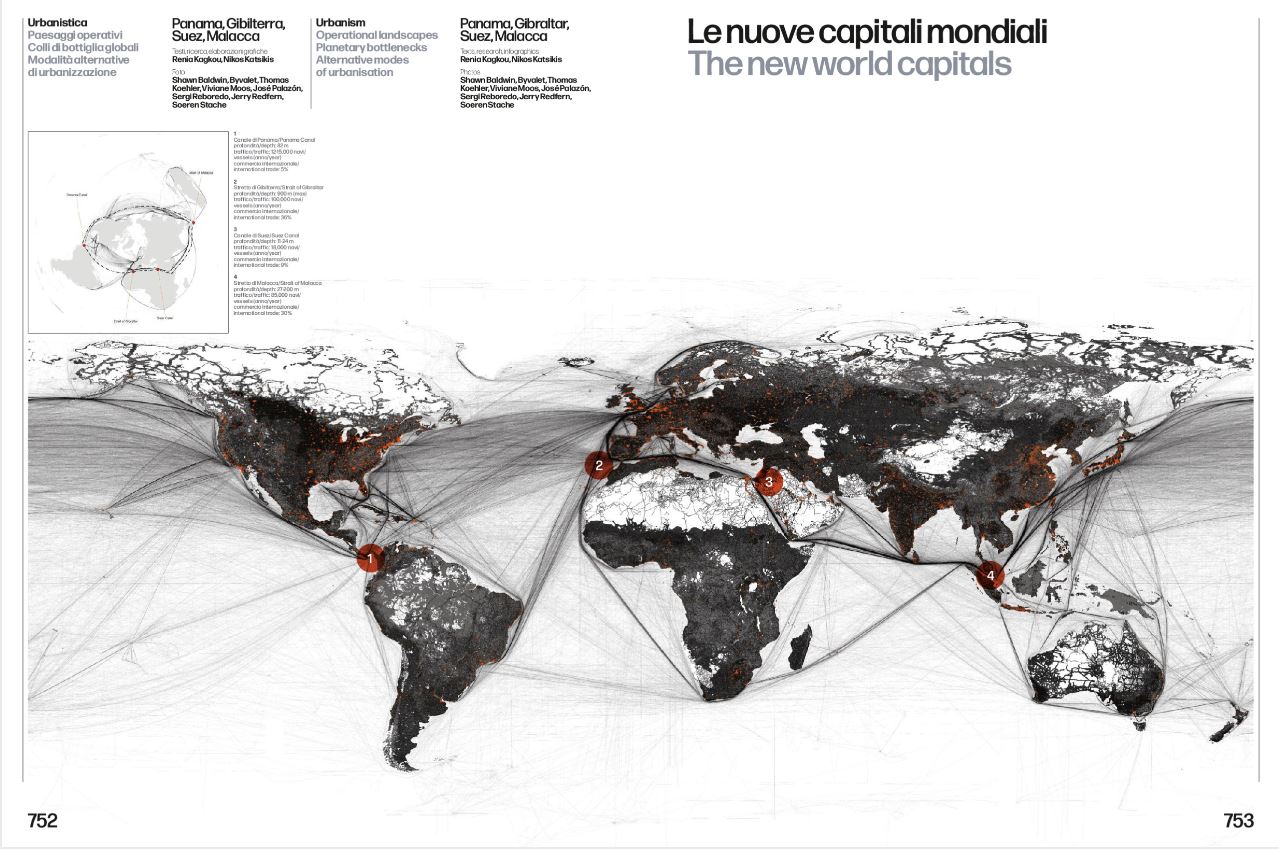
You might think you’re safe because you’re flying Qantas or Singapore Airlines straight to Europe. Think again. The "Kangaroo Route" relies on those thin slivers of sky over the Middle East. When those close, airlines have to pivot.
- Rerouting and Refueling: Qantas has already had to tweak its Perth-to-London non-stop service. Because they can’t fly over Iranian airspace, the 17-hour flight sometimes has to stop in Singapore to refuel. It adds hours to your journey and a whole lot of frustration.
- The "Domino Effect": When a flight from Dubai to London is cancelled, those passengers get rebooked on other routes. This creates a massive backlog. If you're flying from Sydney to London via Singapore, your seat might suddenly be "needed" for a high-priority connection, or your connecting flight might be delayed because the incoming plane had to fly around the entire Arabian Peninsula.
- Insurance Headaches: Most travel insurance policies have very specific clauses about "acts of war" or "civil unrest." If you cancel your flight now because you’re nervous, you likely won't see a cent of that money back.
The Smartraveller reality check
The Department of Foreign Affairs and Trade (DFAT) has bumped the advice level for a huge chunk of the region to "Do Not Travel." This includes Bahrain, Iran, Iraq, Israel, Jordan, Kuwait, Lebanon, Oman, Palestine, Qatar, Saudi Arabia, Syria, the UAE, and Yemen.
If you're in Iran, the advice is even more dire: leave now if it's safe. The Australian Embassy in Tehran has suspended operations. That means if you get into trouble, there is no one to come and get you. You’re on your own until the dust settles.
What happens if you’re stranded?
If you’re currently in the region, don't just head to the airport and hope for the best.
- Register with DFAT: This is the only way the government knows you exist. If things go south, this is how they’ll contact you for repatriation.
- Shelter in place: If your city is under strike or airspace is closed, the safest spot is usually your hotel. Stock up on water, non-perishables, and any medication you need.
- Stay off the phone: Local infrastructure—including cellular networks and internet—often takes a hit during these conflicts. Save your battery and your data for essential updates.
Should you cancel your upcoming holiday?
Honestly, if you’re heading to Europe in the next 48 hours, don't cancel yet. If you cancel voluntarily, you lose your refund rights. Wait for the airline to cancel the flight. Once they do, they are legally obligated to either rebook you or give you your money back.
Check your airline’s app every hour. Carriers like Lufthansa and Emirates are updating their schedules in real-time. If your flight is still "on time," get to the airport early. The queues for customer service are going to be legendary.
This isn't just a "wait and see" situation; it's a "prepare for the worst" scenario. If you have family in the region, keep communication channels open but brief. For everyone else, keep your passport handy and your expectations low. The next few weeks of international travel are going to be a massive, expensive headache.
If you are currently in the Middle East or have immediate travel plans, your first step is to log into the Smartraveller registration portal and ensure your details are current. After that, download your airline's official app and turn on "Push Notifications"—relying on email updates is too slow when airspace can close in minutes.