More than four thousand hectares of pristine Andalusian forest burned to ash in a matter of days. The wildfire tore through the province of Huelva, reducing pine stands and undergrowth to cinders while displacing hundreds of residents and emergency workers. This was not an isolated act of nature. It was the predictable outcome of structural vulnerabilities that local authorities have ignored for decades.
Wildfires in southern Spain have evolved from seasonal nuisances into existential threats. The Huelva blaze exposed deep fractures in regional emergency response networks, forestry management policies, and climate adaptation strategies. Understanding how a spark transforms into an ecological catastrophe requires looking past the immediate wall of smoke and examining the systemic failures burning just beneath the surface.
The Dry Tinderbox of Southern Europe
Huelva is no stranger to high temperatures. Summer brings blistering heat across the Iberian Peninsula, but meteorological conditions alone do not explain the ferocity of recent fires. Decades of unmanaged forest growth combined with chronic rural depopulation have created a dangerous ecological imbalance.
When people abandon small villages for urban centers, traditional land stewardship vanishes. Goats and sheep no longer graze the underbrush. Small-scale forestry clearance stops. The woods become thick with deadwood and dry biomass. When a heatwave hits, these neglected landscapes act as an open powder keg.
Climate metrics tell a grim story. Consecutive years of below-average rainfall have sapped moisture from the soil and vegetation. Trees are stressed long before the first spark ignites. When temperatures climb past forty degrees Celsius and strong winds sweep in from the Atlantic or the Mediterranean, the forest canopy behaves like dry paper.
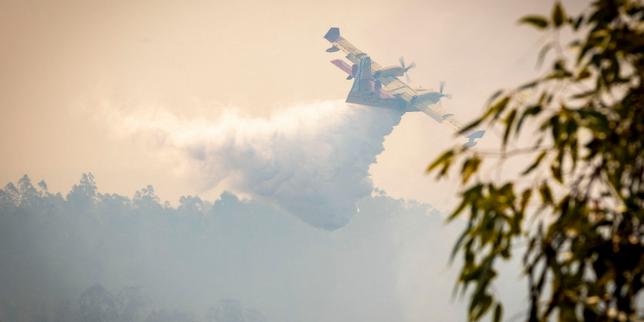
Emergency responders arrived quickly, but ground crews faced nearly insurmountable obstacles. Steep terrain and erratic wind shifts rendered standard containment lines obsolete within hours. Aircraft dropped thousands of liters of water, yet aerial suppression can only do so much against walls of fire driven by gale-force gusts.
Misplaced Priorities in Prevention Budgets
Governments love to spend money on firefighting. Politicians look heroic standing in front of charred backdrops promising massive fleets of water bombers and cutting-edge thermal imaging drones. This is reactive theater. It plays well on the evening news, but it does nothing to stop the next blaze.
Prevention is unglamorous. It involves tedious work like clearing firebreaks, subsidizing rural grazing, thinning dense tree stands, and enforcing strict zoning laws near wildland-urban interfaces. These measures cost money, take years to show results, and rarely win elections.
Budget allocations across Andalusia heavily favor suppression over prevention. When local foresters request funding for prescribed burns—controlled fires set during cooler months to clear dangerous accumulation—they often face bureaucratic delays and public pushback from homeowners worried about smoke.
The economic cost of this imbalance is staggering. Fighting a major wildfire drains municipal and regional coffers instantly. Millions of euros vanish into aviation fuel, overtime pay for emergency personnel, and immediate humanitarian relief. Redirecting even a fraction of those emergency funds into proactive land management could alter the trajectory of these disasters.
The Human Factor in Rural Abandonment
You cannot talk about the Huelva fires without talking about demographic collapse. Rural Andalusia is emptying out. Young people leave for Seville, Madrid, or Barcelona in search of stable employment. The villages left behind consist largely of retirees.
This demographic shift breaks the chain of ecological knowledge. Older generations understood how to work with the land, where fire historically traveled, and how to maintain defensive buffers around properties. That generational memory is disappearing.
Furthermore, zoning laws often fail to account for modern realities. People build picturesque homes tucked deep inside pine forests because they want tranquility. They demand municipal services, paved access roads, and police protection in remote areas, yet many fail to clear mandatory safety zones around their private properties.
When a wildfire approaches, these isolated developments become death traps for residents and high-priority danger zones for firefighters who must divert precious resources to protect poorly sited structures. Local governments hesitate to enforce strict clearance mandates because they fear alienating rural voters and tourism operators.
Water Scarcity and Infrastructure Strain
Fighting fires requires immense amounts of water. In a region suffering from historic drought, securing that water supply introduces complex logistical challenges.
Reservoirs across Huelva and neighboring provinces sit at dangerously low capacities. Agricultural irrigation already competes with municipal demands. When a major wildfire erupts, pumping millions of liters of water from local water basins stresses an already fragile hydrological network.
Fire agencies increasingly rely on mobile tankers and makeshift drafting points from shrinking rivers. This slows down operations. Every minute a helicopter spends flying extra distances to refill its bucket is a minute the fire gains ground.
Infrastructure vulnerability extends beyond water. Power lines running through dense woodland frequently spark catastrophic ignitions when high winds snap aging wooden poles or blow tree branches into live conductors. Utility companies face mounting pressure to bury lines or upgrade grid security, but progress moves at a glacial pace compared to the accelerating threat of climate volatility.
Rethinking Recovery and Resilience
When the smoke clears, the political cycle resets. Officials promise comprehensive reviews, affected citizens demand compensation, and the burnt earth begins its slow, agonizing process of natural regeneration.
Left entirely alone, Mediterranean forests possess remarkable recovery mechanisms. Certain pine species and shrubs rely on fire to open seed pods and regenerate. However, repeated fires occurring too close together destroy this resilience. When a forest burns every three or four years, the soil erodes completely, leaving barren rock where green hills once stood.
Reforestation efforts require careful scientific oversight. Planting fast-growing monocultures of eucalyptus or non-native pine to speed up green cover creates a worse ecological trap. These plantations burn faster and hotter than diverse, native deciduous woodlands like cork oak and holm oak, which offer natural fire-retardant qualities.
Andalusia stands at a crossroads. The Huelva disaster is a warning siren for the entire Mediterranean basin. Continuing down the current path guarantees bigger fires, higher economic losses, and tragic loss of life. True security requires a radical shift away from political posturing and toward long-term, unglamorous landscape management. The flames will return next summer. The only question is whether the region will be ready.


/cdn.vox-cdn.com/uploads/chorus_asset/file/22155007/doc_ock.jpg)