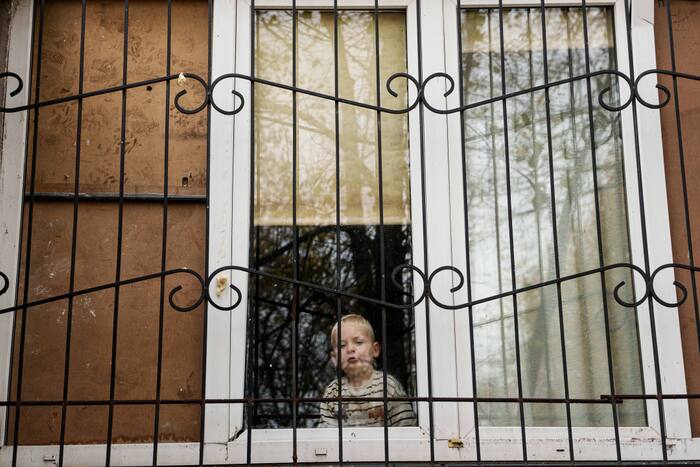
A single blast wave three blocks away can shatter every pane of glass in an apartment building. No structural collapse. No fire. Just thousands of jagged shards on the floorboards and sub-zero air pouring into a living room.
When people outside Eastern Europe talk about Ukraine's winter crisis, they usually focus on massive power substations, air defense batteries, or high-voltage transformers. Those things matter enormously. Yet on the ground in cities like Kharkiv, Zaporizhzhia, Odesa, and Kyiv, survival often comes down to something far less cinematic—a sheet of plywood, a roll of thick polyethylene film, and a tube of expanding polyurethane foam.
Fixing a broken window isn't cosmetic repair work during wartime. It's the frontline of civilian survival.
The Physics of a Shattered Pane in Sub-Zero Weather
Standard double-glazed PVC windows do way more than block the wind. They trap a sealed layer of air or argon gas between panes, creating a thermal barrier that keeps indoor heat from bleeding out into freezing temperatures. Once an explosion blows out the glass—or warps the vinyl frame out of alignment—that thermal envelope vanishes instantly.
Winter temperatures in eastern and northern Ukraine routinely drop below -10°C (14°F), sometimes plunging past -20°C (-4°F). Without intact windows, an apartment loses its ambient heat within hours.
Then comes the chain reaction.
Cold air hits uninsulated interior pipes. Water freezes, expands, and bursts the plumbing. Even if the municipal district heating plant manages to keep pumping hot water through the city's grid, a building with blown-out windows can't hold the warmth, and frozen risers can flood entire stairwells in solid ice. You don't just freeze in your bedroom; the building's entire infrastructure starts failing around you.
Why Glass Can't Keep Up With the Frontline
You might wonder why people don't just order replacement glass and move on. Honestly, the logistics make that nearly impossible at scale.
First, domestic glass production took a massive hit early in the full-scale invasion. Major manufacturing facilities near the frontlines—including the well-known Lysychansk glass plant in Luhansk Oblast—were destroyed or occupied. Ukraine has had to rely heavily on imported architectural glass from Poland, Romania, and other European neighbors, which drives up costs and creates weeks-long supply bottlenecks.
Second, replacing a double-glazed unit takes measurements, factory fabrication, and installation crews. In frontline cities hit by glide bombs or ballistic missiles every few days, installing brand-new glass in an exposed apartment block can feel like throwing money at a target. A new pane installed on Tuesday can be blown out again on Friday.
Municipal crews and humanitarian volunteers adapted fast. Instead of waiting for glass factories, rapid-response teams show up with OSB (oriented strand board) panels, heavy-duty timber battens, and reinforced plastic sheeting within hours of a strike.
What Rapid Winterization Actually Looks Like on the Ground
If you've ever watched municipal workers or volunteer brigades board up a residential high-rise after an overnight strike, you quickly realize there's a strict triage system at work. Nobody has time for carpentry perfection when five hundred apartments are exposed to sleet.
Crews generally split repairs into three tiers depending on damage and occupancy:
- Occupied apartments with intact frames: Workers staple heavy-duty, UV-stabilized reinforced plastic film across the opening, sealing the edges with wooden battens and spray foam. It lets natural daylight inside—a huge psychological boost when power outages leave rooms dark—while cutting wind chill dramatically.
- Shattered frames or vacant units: Thick OSB plywood sheets get screwed directly into the concrete or brick window reveals. It turns the apartment pitch-black, sure, but OSB blocks wind far better than thin plastic and prevents rain or snow from rotting the floors.
- The internal "warm room" fallback: When an apartment suffers severe damage and materials run low, families seal off the damaged room entirely, hang thick blankets over interior doorways, and crowd into a single hallway or kitchen insulated with cardboard, foam board, and tape.
The Unsung Heroes of the Plywood Brigade
Organizations like the Ukrainian Red Cross, UNHCR, and grassroots volunteer networks such as Dobrobat have turned emergency window sealing into a remarkably coordinated operation. Pre-positioned warehouses store thousands of square meters of OSB, rolls of tarpaulin, cordless drills, and generators.
When air raid sirens stop, local municipal authorities assess damaged blocks while volunteer teams unload timber directly onto courtyards. Elderly residents who can't climb ladders or handle power tools get prioritized first. Seeing neighbors, municipal utility workers, and twenty-something volunteers passing plywood sheets up nine flights of dark stairs without working elevators has become one of the defining images of Ukrainian urban resilience.
Common Mistakes People Make With Emergency Window Insulation
When panic sets in after a blast, people naturally grab whatever is nearby to plug the hole. Some improvisations work well, while others create hidden hazards that make winter living even more dangerous.
- Taping thin painter's plastic directly to dusty concrete. Standard indoor drop cloths tear in the first strong gust, and regular packing tape peels right off cold, damp walls. Effective sealing requires heavy-gauge polyethylene (at least 150–200 microns thick) anchored mechanically with wood strips or masonry screws.
- Blocking ventilation completely when using backup heaters. Sealing a room tight keeps warmth in, yet running gas camp stoves, candles, or kerosene heaters inside a sealed space without airflow causes fatal carbon monoxide buildup. Every winter, emergency services warn residents that airtight plastic sheeting paired with combustion heating is a silent killer.
- Leaving damaged frames unsealed around the edges. Even if a plywood board covers the main opening, a half-inch gap around the perimeter lets freezing drafts whistle straight into the room. Expanding foam or stuffed rags inside every crack makes a massive difference in indoor temperature retention.
- Waiting for permanent glass before winterizing. Hoping a state compensation program or private contractor will deliver custom double-glazed windows before January often leaves families exposed during the coldest weeks of the year. Temporary boarding buys time; permanent glazing comes later.
How State Aid and Humanitarian Programs Bridge the Gap
Ukraine's government recognized early on that waiting for traditional construction contracts wouldn't save lives before frost hit. Through the eRestoration (eVidnovlennya) digital program integrated into the Diia app, citizens can document damaged windows, submit photos for municipal inspection, and receive targeted funds directly onto a dedicated payment card to buy building materials or hire local contractors.
Alongside state payouts, international humanitarian agencies—including the International Organization for Migration (IOM) and UNHCR—distribute standardized emergency shelter kits across frontline oblasts. A typical kit includes OSB boards, transparent reinforced tarpaulin, mounting foam, nails, and basic hand tools so families can secure their homes immediately without waiting weeks for cash transfers to clear.
Still, demand outpaces supply every time a major barrage hits a dense residential district. A single ballistic missile landing in a courtyard of Soviet-era panelka apartment blocks can blow out two thousand windows in three seconds.
What You Can Do If You're Supporting Winter Relief
If you're looking to help Ukrainians get through sub-zero temperatures, skip sending random winter coats overseas—shipping logistics eat up money that buys far more materials locally inside Ukraine.
- Fund verified emergency shelter initiatives directly. Donations to organizations like the Ukrainian Red Cross, UNHCR's Ukraine winterization fund, or vetted local reconstruction groups like Dobrobat go straight toward bulk purchases of OSB, insulation foam, and portable heaters already inside the country.
- Support localized energy and heating hubs. Municipal "Points of Invincibility" rely on continuous funding for fuel, generators, and charging stations where residents with damaged apartments can warm up, charge phones, and get hot water while crews patch their buildings.
- Pay attention to repair timelines, not just headlines. News coverage fades forty-eight hours after a missile strike, yet the race to seal shattered buildings before the next deep freeze lasts all winter long.