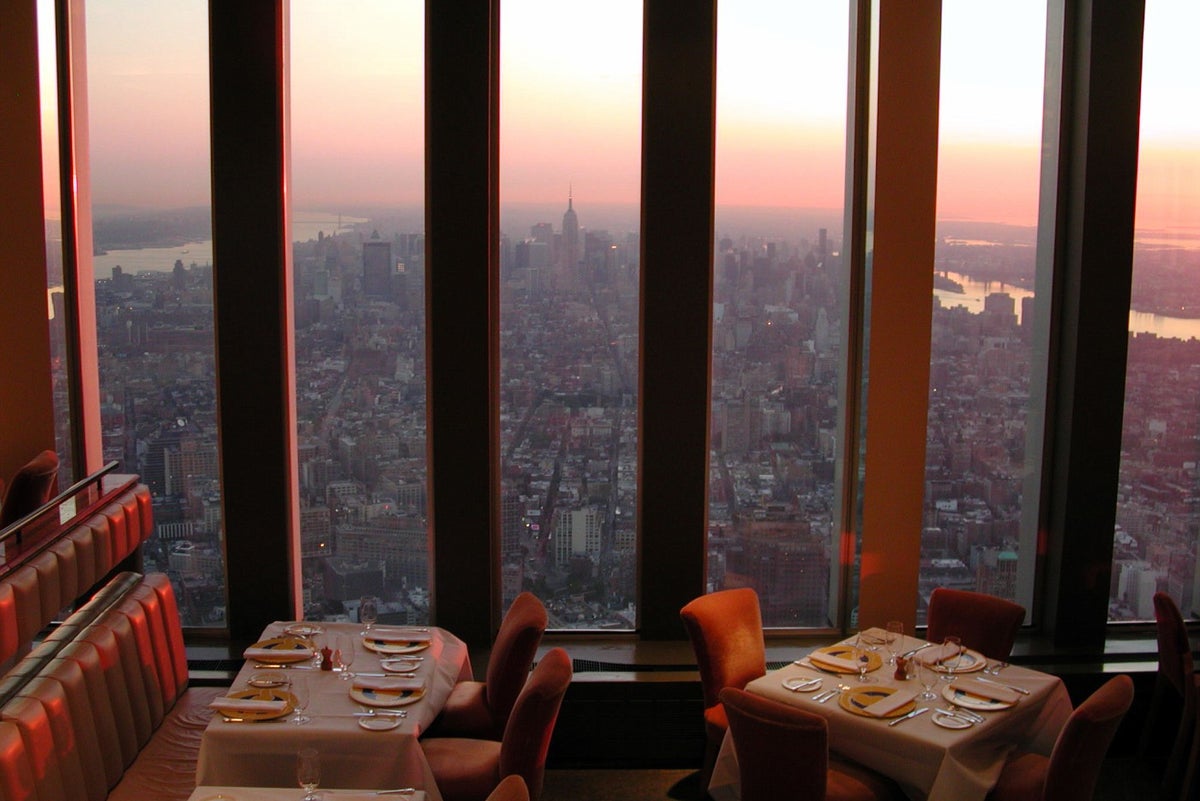
More than seventy employees of Windows on the World perished on September 11, 2001, trapped on the 106th and 107th floors of the North Tower. Behind the macro statistics of the World Trade Center attacks lies a grinding, unpredictable human machinery of schedule trades, casual favors, and last-minute cover shifts that placed dozens of restaurant workers at their posts when they otherwise would have been safe on the ground.
In the chaotic ecosystem of high-end New York hospitality, trading shifts was a survival mechanism. Cooks, dishwashers, bussers, and servers constantly swapped hours to accommodate second jobs, family emergencies, or weekend soccer matches in Queens. Those casual arrangements, made over cigarette breaks or kitchen prep counters in the days leading up to September 11, quietly redrew the roster of who lived and who died.
The Micro-Economics of the Kitchen Roster
Windows on the World operated as a vertical immigrant village. Kitchen staff hailed from Ivory Coast, Ecuador, Peru, Poland, and Bangladesh, forming tight interdependent bonds to navigate an expensive, indifferent metropolis.
Take the arrangement between prep cook Siby and his colleague Moises N. Rivas. Rivas, an immigrant from Ecuador with ambitions of culinary success and a second life as a recording artist, approached Siby three days before the attack. He asked a simple favor: could Siby cover his Sunday shift? In exchange, Rivas would take Tuesday, September 11.
Siby agreed. That administrative trade meant Rivas walked into the North Tower kitchen on a Tuesday morning that belonged, by original design, to someone else. Rivas was among the many who made frantic final phone calls before the tower collapsed, leaving behind a young family and a ledger of ordinary workplace adjustments that turned fatal.
This fluid scheduling dynamic repeated itself across departments. Waiters covered for colleagues attending funerals, bartenders traded weekends for doctor appointments, and prep teams rearranged hours to balance grueling split shifts. The restaurant industry runs on this flexibility. On that specific Tuesday, that same flexibility functioned as a cruel lottery.
Surviving the Absence
Those who escaped the restaurant floor by virtue of an unworked shift or an off-day absorbed a distinct psychological toll. Survivor's guilt in the hospitality sector is rarely discussed in broad historical retrospectives, yet it anchors the private grief of dozens of line cooks and servers who stayed home because they traded away a Tuesday morning.
When an employee called in sick, switched a day with a peer, or simply arrived late due to a minor transit delay, they inherited an unearned reprieve paired with permanent disorientation. Executive chef Michael Lomonaco survived only because he had an appointment in the retail concourse of the World Trade Center complex just before the impact. Other staffers missed their shifts due to minor personal conflicts, waking up to television footage of the exact dining room where they usually stood cutting vegetables or polishing silver.
The absence of rigid corporate tracking systems in many back-of-house restaurant operations meant that final rosters were often messy. Managers juggled handwritten notes on grease-stained pads. Consequently, piecing together who was actually supposed to be on the floor required months of investigative detective work by families and relief funds trying to account for undocumented workers whose names barely registered on official corporate payrolls but who were vital cogs in the restaurant's daily output.
The Architecture of Vulnerability
Windows on the World was structurally isolated at the top of the North Tower. When American Airlines Flight 11 struck between the 93rd and 99th floors at 8:46 AM, all stairwells and elevators leading downward from the restaurant were instantly severed.
For the staff caught upstairs, the shift swap was no longer a matter of convenience; it was the entry ticket to an inescapable trap. Patrons attending a Risk Waters financial conference and breakfast meetings mingled with the morning crew who had arrived early to prep for lunch service. Because the restaurant operated on multiple tiers up to the 107th floor, workers stationed in the back kitchens had virtually zero advanced warning before smoke and jet fuel compromised the core of the building.
The tragedy exposed the hidden labor class of luxury New York landmarks. While media coverage frequently fixated on financial executives and brokerage firms, the human loss at the top of the tower hit immigrant communities hardest. These were individuals who came early, stayed late, and routinely picked up extra hours to send remittances home. A single altered shift meant the difference between standing at a prep station overlooking Manhattan and standing safely on a subway platform blocks away.
Decades later, the ghosts of those schedule adjustments remain embedded in the oral histories of the families left behind. The casual question whispered across a prep table—Can you take my Tuesday?—echoes as one of the most consequential conversational fragments in modern labor history.