Morning in Los Angeles does not break quietly. It arrives with a low, metallic roar, the heavy sigh of semi-trucks shifting gears on the 405, the sharp click of automatic sprinkler systems waking up manicured lawns, and the suffocating haze of exhaust catching the early sunlight. In this sprawling theater of glass, asphalt, and ambition, most of us move like ghosts. We look down at our phones. We navigate our narrow lanes. We forget that we share our pavement with ancient ghosts of a very different kind.
Once, before the grids were drawn and the hills were carved into terracotta roofs, this valley belonged to them. They were the shadows at the edge of the firelight, the clever survivors who watched the first Spanish missionaries plant vineyards and the subsequent developers pour concrete over ancient creeks. We called them pests. We called them hazards.
Sometimes, rarely, we gave them names.
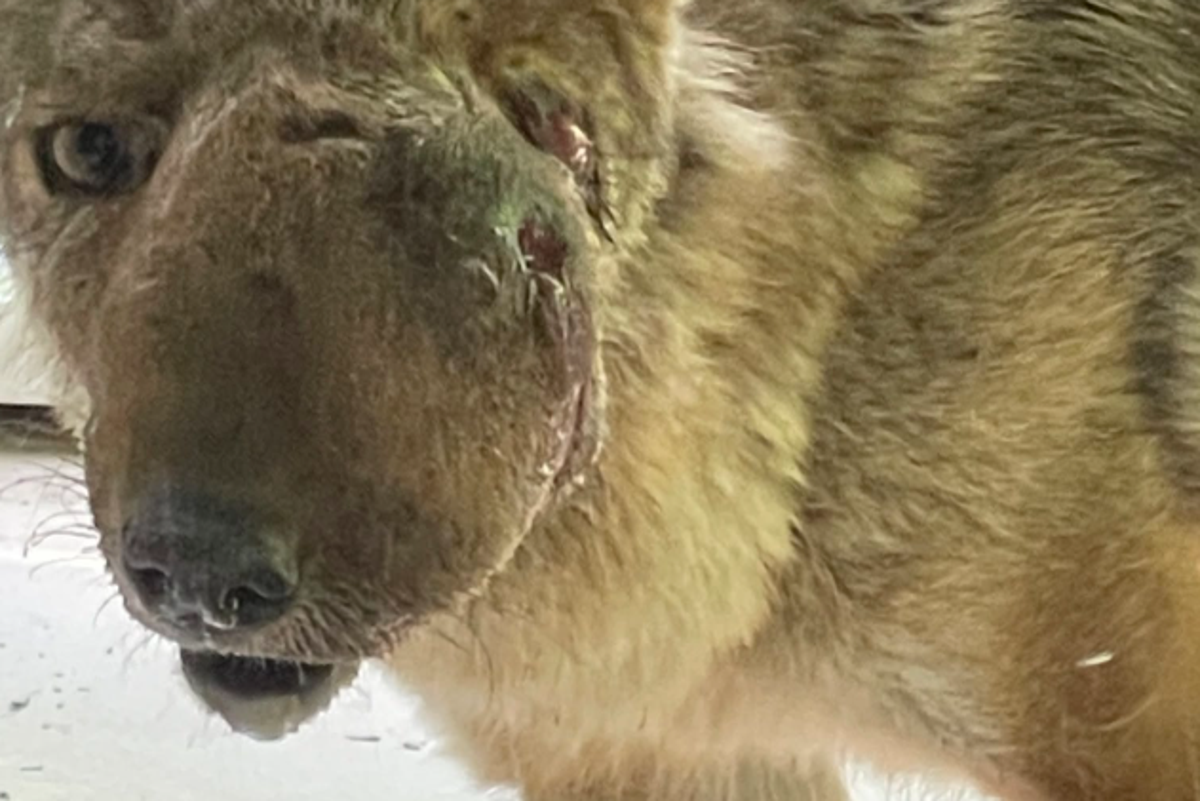
Wendy was one of those rare names. To the residents of the hillside neighborhoods where she made her territory, she was not just an anonymous predator glimpsed in headlights. She was a fixture. She was the familiar silhouette standing near the edge of the brush, coat sleek despite the grit of the city, eyes carrying that ancient, amber intelligence that seems to pierce right through our modern anxieties. People whispered about her at farmers' markets. They posted her blurry photographs on neighborhood forums with a mixture of nervous awe and protective affection.
She was a wild animal living in the middle of a metropolis of four million people. That contradiction alone is enough to break your heart.
Wildness is an uncompromising thing. It requires open space, silence, the chaotic rhythm of birth and death under an unpolluted sky. Los Angeles is the exact opposite. It is a monument to human control, an empire built on the illusion that we have successfully separated ourselves from nature. Yet, every coyote trotting down a suburban street at dusk, every hawk circling a downtown skyscraper, is a living, breathing refutation of that illusion. They are the cracks in our concrete facade.
Consider what happens when a wild creature crosses the invisible boundary into our human domain. To us, it is a photo opportunity or an ordinance violation. To them, it is a desperate navigation course through a lethal maze.
Wendy navigated that maze for years. She learned the rhythms of the neighborhood. She knew which trash bins offered a midnight meal, which yards provided safe passage, and which humans posed a threat. She adapted with that breathtaking resilience native to her species. Canis latrans, the trickster god of North American folklore, has outlasted wolves, bounties, poison, and suburban expansion simply by being smarter, faster, and more adaptable than whatever we throw its way.
Or so we like to tell ourselves to ease our collective guilt.
Because adaptation has a hard ceiling. There comes a point where cleverness runs out of road, where the sheer density of human malice or indifference matches the animal's will to survive.
The end did not come from old age. It did not come from the natural fading of a life well-lived in the chaparral.
It started with a phone call. Wildlife rescuers received reports of a coyote in distress, moving with a strange, heavy hesitation, dragging an invisible weight through the brush. When rescue teams finally located her and brought her into the sterile, fluorescent-lit safety of a veterinary clinic, the initial diagnosis was grim. She was weak. Dehydrated. Her body, usually a marvel of lean muscle and sinew, was failing her.
Then came the X-rays.
To understand the horror of that moment, you have to picture the quiet tension of a veterinary room. The hum of equipment. The crisp smell of disinfectant. The veterinarian leaning over the glowing light box, staring at an image that tells a story words cannot capture. There, embedded deep within the delicate structures of her skull, was a lead projectile.
Wendy had been shot in the head.
Let that sink in. Someone walked out into the cool Southern California night, raised a weapon, and fired at a creature who wanted nothing more than to slip quietly through the shadows of a neighborhood she had every right to inhabit. It was an act of casual cruelty, executed with the terrifying anonymity that defines so much of modern life. We hide behind our fences, our tinted car windows, our glowing screens, and sometimes, when the wild world gets too close for comfort, we lash out with lethal force.
The veterinary team fought for her. They administered fluids, pain relief, and every ounce of modern medical wizardry available. They looked into those amber eyes and saw a fighter who had endured the impossible. But physics and trauma do not care about our affection. The damage was catastrophic. The bullet had torn through bone and tissue, leaving a legacy of infection, agony, and irreversible decline.
The decision to euthanize is a heavy, crushing burden. It is the final, agonizing mercy we can offer to a creature we have broken.
When Wendy was put to sleep, a small piece of the neighborhood's soul went with her. The local residents who had tracked her life, who had watched her dart across streets under the amber glow of streetlamps, were left with a hollow ache. They did not just lose a local animal; they lost a bridge to something wild and untamed in a city that often feels entirely artificial.
This is the hidden cost of our expansion. We pave over the earth, drive out the apex predators, and then express shock and annoyance when the survivors adapt to our garbage cans and backyards. We treat them as trespassers on land that was theirs long before the first deed was ever filed at the city clerk's office.
We want the romance of nature without any of its inconveniences. We love the idea of California as a wild Eden, but we panic the moment a coyote crosses our lawn. We demand wildlife protection laws on paper while our trigger fingers itch the moment a wild animal becomes too visible, too inconvenient, or simply too alive in our vicinity.
Wendy's story exposes the deep hypocrisy of our relationship with the urban wild. We romanticize the survivors until they require actual coexistence. Coexistence is messy. It means securing our trash. It means keeping our pets indoors after dark. It means accepting that we are sharing our environment with beings who do not understand property lines or municipal codes. It means resisting the urge to reach for a weapon or a poison when an animal inconveniences our manicured sense of order.
When we fail at coexistence, we resort to violence. And when that violence is exposed, we offer collective sighs of regret on social media before scrolling away to the next piece of curated entertainment.
We owe Wendy more than a momentary pang of sadness. We owe her a reckoning with how we treat the margins of our world.
Think of the hills behind the sprawling suburban rooftops tonight. Think of the dry brush rustling in the midnight breeze. There are others out there, slipping through the shadows of the canyons, navigating the concrete storm drains, looking for a way to survive in a landscape that grows more hostile with every passing year. They are dodging cars, avoiding poisoned bait, and staying just out of sight of human eyes.
They are carrying the memory of Wendy in their cautious steps.
As the city sleeps under its blanket of smog and starlight, the coyotes keep moving. They do not hate us for what we did to one of their own; they simply know us for what we are. Unpredictable, powerful, and terrifyingly fragile in our disconnect from the earth.
The shot that ended Wendy's life echoed far beyond that veterinary clinic. It reminded us that the wall we have built between civilization and the wild is an illusion—and that every time we pierce that wall with cruelty, we diminish whatever humanity we have left.
She is gone now. The hills are a little quieter. The shadows are a little emptier. But every time a pair of amber eyes reflects the glare of a Los Angeles headlight at midnight, Wendy is still there, asking us a silent, piercing question about the kind of world we actually want to build.