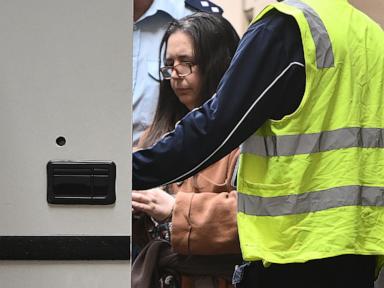
The table was set for a family gathering, a simple meal meant to heal old wounds or at least smooth over the edges of a fractured extended family. Instead, it became the epicenter of a legal nightmare that has gripped the public consciousness for months. When a lunch featuring beef wellington ended in tragedy, with three dead and a sole survivor bearing the weight of an unimaginable ordeal, the world watched in horror. Now, the story has taken yet another dramatic turn as Erin Patterson files an appeal against her three murder convictions.
Trust is a fragile construct. We sit across from one another every single day, breaking bread, sharing wine, assuming the unspoken contract of safety that binds human society together. We trust the water from the tap. We trust the ingredients on the supermarket shelf. Most of all, we trust the hands that prepare our food. When that fundamental trust is shattered by something as mundane and terrifying as a toxic fungus, the psychological fallout extends far beyond a single courtroom or a single family.
Consider what happens when a community is forced to reexamine the everyday rituals of hospitality. The death cap mushroom, scientifically known as Amanita phalloides, is a master of disguise. It looks unassuming, almost inviting, often sprouting near oak trees in quiet suburban neighborhoods. Its poison is notoriously patient. Symptoms do not arrive with a dramatic flourish immediately after the first bite. Instead, a deceptive window of normalcy fools the victim, allowing the cellular destruction to quietly unfold in the background before launching a devastating assault on the liver and kidneys.
This biological reality forms the chilling backdrop of the legal battle now playing out in the appellate courts. The prosecution built its case on the premise that the serving of the meal was not a tragic accident born of botanical ignorance, but a deliberate act. The defense, in seeking to overturn the convictions, is stepping back into that contested space of intent, causation, and the terrifying thin line between human error and calculated malice.
Every trial of this magnitude forces us to confront our own discomfort with ambiguity. We crave clean narratives. We want villains to look like villains, wearing their malice on their sleeves, making their intentions clear for all to see. Yet real life refuses to cooperate with our desire for simple morality tales. Real life is messy, tangled in domestic grievances, confusing timelines, and the quiet, closed doors of suburban kitchens where no witnesses were present.
When the news first broke about the fatal lunch in Victoria, Australia, the sheer bizarreness of the weapon captured global attention. Mushrooms are supposed to belong in rustic pasta dishes or quiet forest walks, not police ledgers and forensic toxicology reports. Yet here we are, watching the legal machinery grind forward as the appeal process gets underway. Lawyers pour over transcripts, dissecting expert testimony about spore distribution, cooking temperatures, and the precise timeline of ingested toxins.
Behind the dense legalese and the flashing camera lights outside the courthouse lies a profound human tragedy. Families have been permanently altered. Lives were cut short in what should have been their golden years. And a community is left wrestling with a deeply unsettling question. How do you protect yourself against a threat that arrives disguised as hospitality?
The appeal will test the limits of circumstantial evidence. In a case where direct witnesses to intent are absent, the court must rely on a mosaic of circumstantial details, piecing together text messages, prior relationships, supermarket visits, and medical records. It is a slow, methodical process that contrasts sharply with the initial shock and emotional fury of the public reaction.
As the legal arguments unfold in the weeks to come, the public will once again tune in, searching for closure that may never truly arrive. An appeal does not wipe the slate clean; it simply reopens the wounds, asking everyone involved to look back at the table, back at the plates, and back at the choices made on that fateful afternoon.
The story of the death cap lunch remains a dark modern parable about the limits of human understanding and the terrifying consequences of broken trust. Long after the final verdict of this appeal is handed down, the image of that meal will linger—a stark reminder that danger can sometimes wear the most ordinary face, sitting quietly right across from us in the light of day.