Hospitals smell like cold iron and dried flowers. If you have ever stood beside a bed where someone you love is waiting for a blade to open their chest, you know the silence. It is not an empty silence. It is heavy, packed tight with the ticking of wall clocks and the distant, rhythmic beep of monitors that sound like steady pulses of hope.
When a public figure enters that white-washed sanctuary, the silence shatters. The world outside presses against the glass. Microphones capture every murmured update. Bulletins flash across screens in terminal rooms and corner coffee shops. But inside the recovery ward, time slows down to the pace of a single breath.
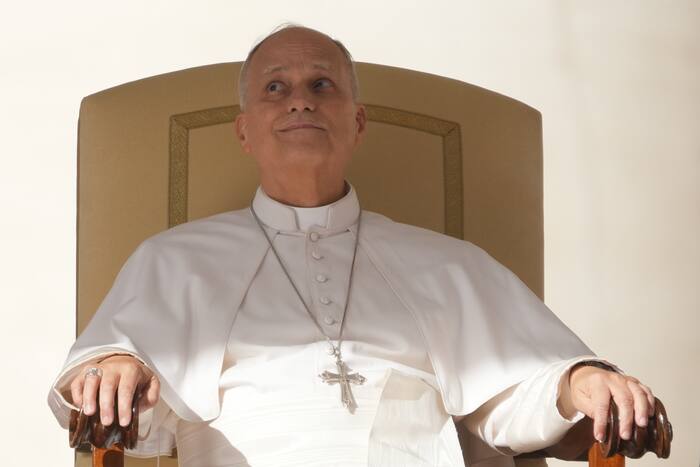
Pope Leo recently faced that exact silence.
An operation is never just a medical procedure. To the surgeon, it is anatomy, tension, and precision—a choreography of steel and light. To the patient, it is a leap off a cliff into the hands of strangers. When news broke that the procedure was complete and that doctors had confirmed no further therapy would be needed, the collective exhale was palpable. The tension snapped.
Relief has a distinct temperature. It starts as a cold knot in the stomach and slowly thaws into warmth.
Consider what happens in the hours after an intervention like this. The anesthetics wear off. The fog clears. The mind reaches out to test the edges of reality, checking to see if the body still works, if the voice still holds, if tomorrow is still waiting. For someone bearing the spiritual weight of millions, that moment of vulnerability is profound. Leaders are supposed to be untouchable monuments. Yet beneath the vestments and the tradition, there is simply flesh, bone, and the stubborn will to keep beating.
Medicine has advanced in leaps, yet the fundamental fragility of human life remains unchanged. We can repair valves, mend tissue, and outsmart diseases that once spelled certain doom. But we cannot bypass the quiet reckoning that happens in the recovery room. That space between sleeping and waking where a person realizes they have been given more time.
The declaration from the medical team was brief, clinical, and reassuring. No follow-up treatments. No lingering shadows of therapy stretching out into the months ahead. Just a clear road to convalescence.
Yet numbers and medical bulletins miss the human element entirely. They do not capture the look on a caregiver's face when the surgeon finally walks through the doors and shakes their head in a gesture of success. They do not measure the quiet determination it takes to stand up and take that very first, painful step across a polished hospital floor.
Recovery is not a straight line. It is a series of small, invisible victories. It is the first sip of water. The first real smile. The first time the eyes focus clearly on the window and notice that the sun is still shining outside, indifferent to the drama that just unfolded.
We look to leaders for strength, but sometimes the greatest lesson they offer is how they handle their own fragility. By facing the scalpel, enduring the procedure, and stepping back into the light without the heavy anchor of prolonged therapy, a powerful message is sent about resilience.
The monitors stop beeping quite so loudly in our collective imagination now. The room grows quiet again. But this time, the silence is not full of dread. It is open. It is ready for whatever comes next.