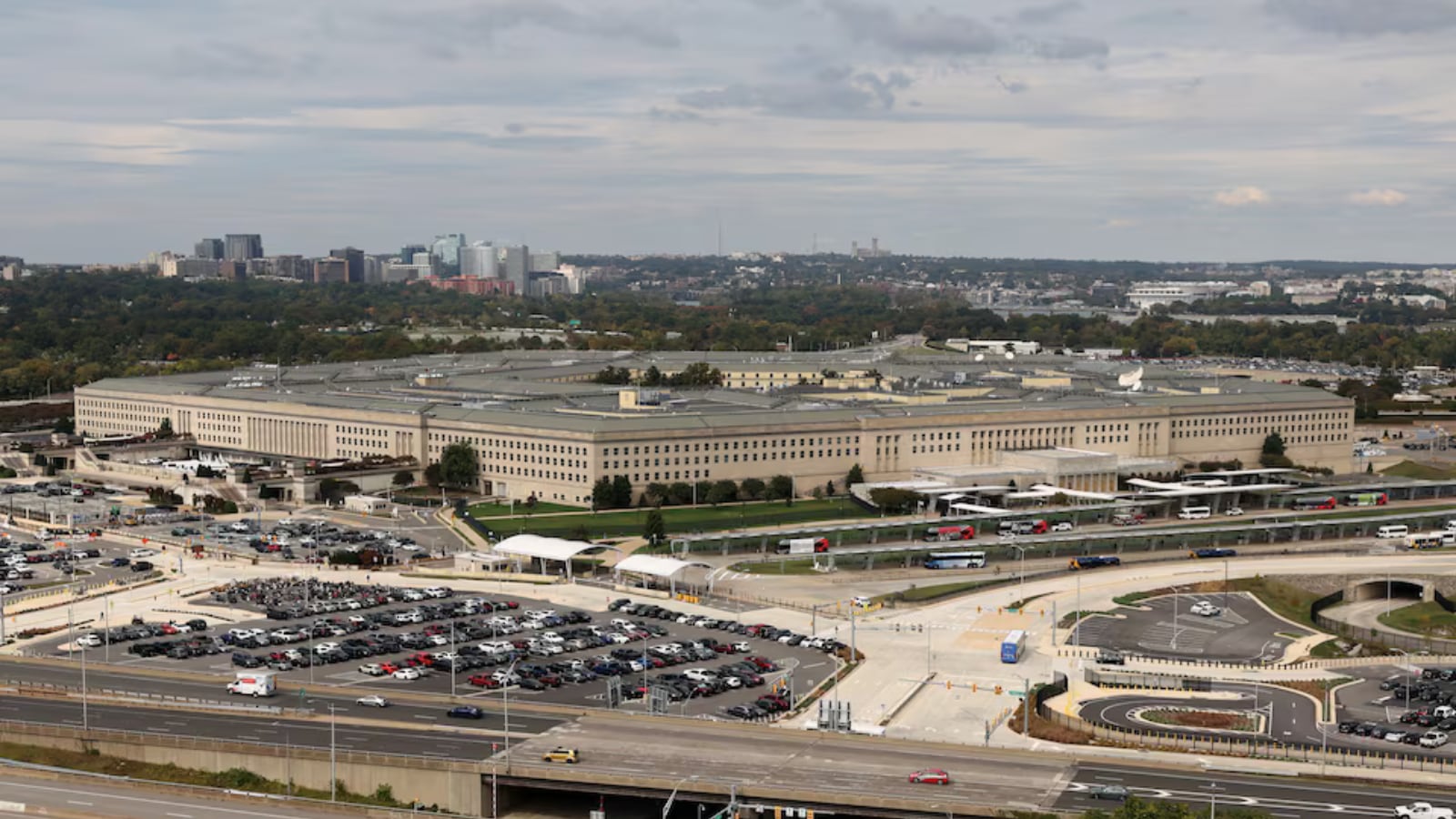
A malfunctioning piece of hardware just brought the command center of the world's most powerful military to a grinding halt. On Thursday morning, internal alarm systems flagged a potential hazardous materials leak inside the building. Instantly, the facility pivoted into crisis mode, sealing off corridors and forcing hundreds of defense personnel to lock themselves inside offices.
It turns out the entire emergency was a false alarm. A single sensor in the automated biodefense system failed, mistakenly flashing warning lights for anthrax. Security teams acted fast, but the chaos showed everyone just how fragile the daily routine inside the complex really is.
The Morning the Pentagon Stood Still
Around mid-morning on June 11, automated sensors picked up what appeared to be an air quality hazard. First-responder radio traffic later confirmed the system registered a positive hit for anthrax. The reaction was immediate.
Security protocols forced a lockdown on floors two through five, specifically pinning down corridors four through seven. The affected zone wasn't just empty hallway space. It hit heavy-hitting offices, including the Navy's main public affairs wing and the Secretary of the Army's headquarters.
If you've never walked those halls, it's hard to visualize the scale. The building holds roughly 25,000 employees on any given day. It spans 6.5 million square feet with 17.5 miles of corridors. Shuts downs here aren't just an inconvenience. They disrupt global communications.
Gas Masks and Courtyard Testing
While thousands of workers locked their doors and stayed put, emergency crews scrambled. Police officers inside the facility donned full chemical protective suits and gas masks. The Pentagon Force Protection Agency's specialized hazmat crew took charge, calling in reinforcement from the Arlington County Fire Department.
An internal alert advised staff that specialized testing would take one to two hours to complete. Officials warned personnel not to panic if they saw emergency workers from different regional units swarming the center courtyard.
Chief Pentagon Spokesman Sean Parnell issued a statement mid-crisis confirming that standard protection protocols were active. By midday, testing proved the air was completely clean. The system had glitched.
The Reality of Biodefense Failures
Sensor malfunctions happen more often than defense officials like to admit. Automated biodefense tools use rapid chemical sampling to flag deadly agents like anthrax, ricin, or smallpox before they can spread through massive HVAC networks. The problem is these systems are highly sensitive.
- Cross-reactivity: Sometimes common cleaning chemicals, dust, or standard construction material can trip an ultra-sensitive scanner.
- Mechanical age: Hardware running constantly can experience data drops or voltage spikes that look exactly like a biological strike to the master computer.
- The false positive trap: Security managers must treat every single alert as a real attack, meaning a broken sensor guarantees an immediate, disruptive lockdown.
The timing of this glitch raised eyebrows because the building is currently operating on high alert, managing defense coordination for the ongoing conflict with Iran. An incident like this drains local emergency resources and tests the nerves of staff already working under high stress.
If you manage security for any large commercial infrastructure, use this incident as a baseline reminder. Regularly audit your automated safety systems and ensure your team knows the difference between a real shelter-in-place order and a system test. Check your internal communication channels today so your staff won't panic when an automated alarm inevitably fails.