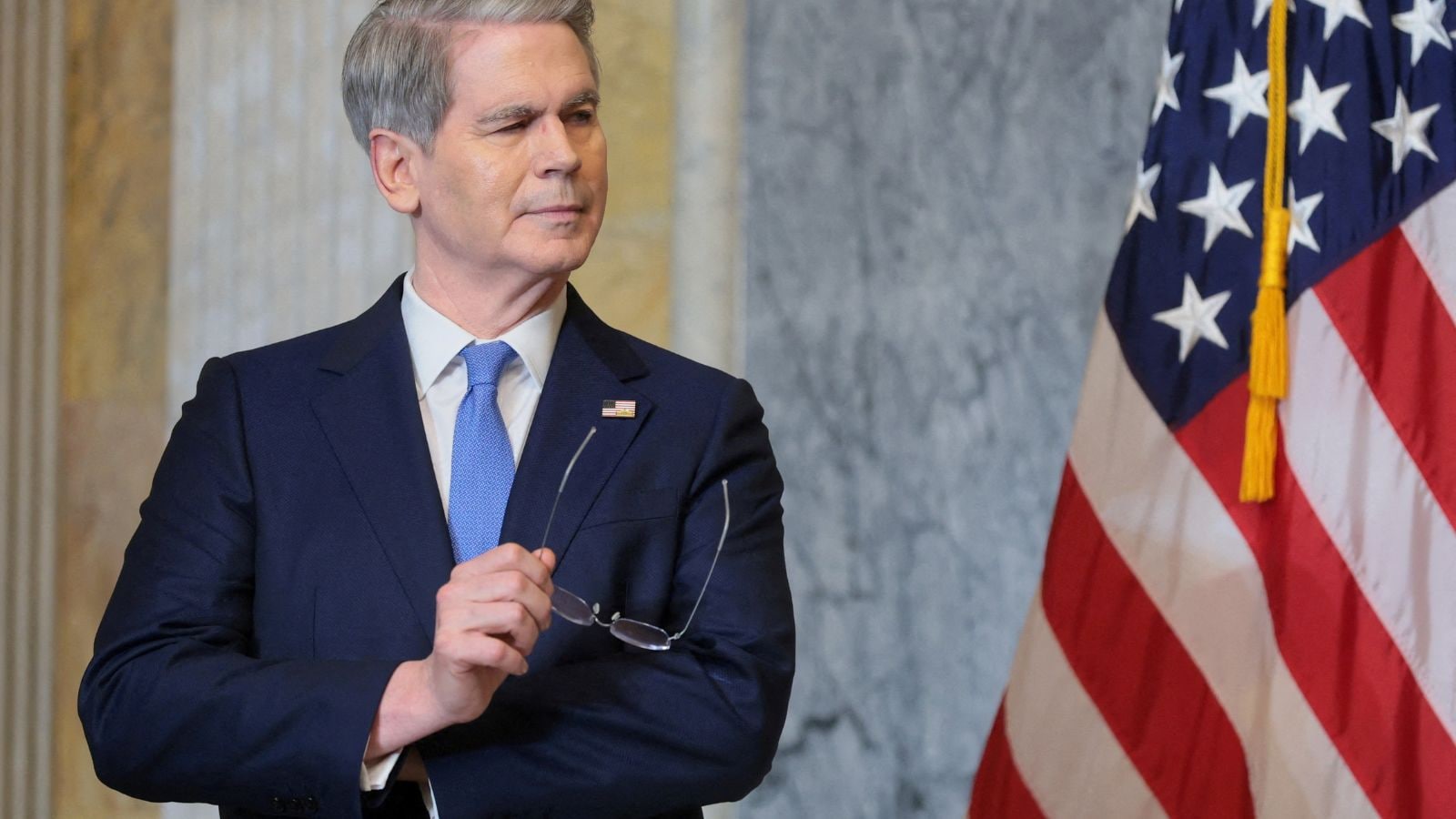
The United States has officially rolled out Operation Economic Outcast, an aggressive financial offensive designed to sever Iran from the international monetary grid and choke off its remaining commercial lifelines. Unveiled by Treasury Secretary Scott Bessent, the campaign targets five core sectors—digital assets, technology, gold, aviation, and shipping—while blacklisting more than sixty global entities, individuals, and vessels. Washington's primary goal is absolute financial isolation, forcing Tehran into a corner where it must choose between total economic collapse or capitulation. Yet history shows that imposing maximum pressure on a sovereign state already battered by structural crises is far easier to announce from a podium than to execute on the global stage.
Financial warfare relies on compliance, and compliance has a price.
The Mechanics of Secondary Coercion
The engine driving this new strategy is the aggressive application of secondary sanctions. Washington is no longer merely telling American corporations they cannot trade with Iran; it is drawing a hard line for the entire international community. Foreign banks, independent brokers, and third-party logistics firms caught facilitating Iranian transactions face expulsion from the dollar-dominated financial system.
Treasury officials insist they have mapped every node and illicit network used to smuggle oil and evade previous blocks. This includes targeting vessels moving petroleum through the United Arab Emirates, China, Singapore, and Europe. By penalizing anyone who pays a toll to Iran for safe passage through the Strait of Hormuz or assists in energy exports, the administration hopes to create an impenetrable barrier around Iranian commerce.
For example, consider a hypothetical shipping broker based in a neutral Asian port who helps route petroleum cargoes. Under these rules, that broker faces immediate asset freezes if caught. The threat is designed to scare off institutional risk managers, turning routine trade into an act of high-stakes financial suicide.
Decades of Adaptive Evasion
Tehran is not walking into this campaign blind. For decades, the Iranian state has operated under various tiers of international restrictions, turning sanctions evasion into a sophisticated institutional discipline.
Over the years, the country's apparatus has built an intricate web of shell companies, underground hawala networks, and ship-to-ship transfer points. Crude oil frequently changes hands on the high seas, scrubbing its origin before arriving at smaller, non-compliant refineries.
The Iranian rial has plummeted to historic lows, trading near 2 million to the US dollar alongside crushing inflation. Basic goods are expensive. Ordinary citizens bear the heaviest brunt of this deterioration.
However, authoritarian regimes rarely respond to economic deprivation by immediately folding. Instead, the ruling structure often doubles down, tightening internal security and rationing resources while blaming external aggression for domestic hardships. The central paradox of comprehensive financial isolation is that it impoverishes the population while consolidating power within the security apparatus that controls what remains of the economy.
The Diplomatic Collision Course
The true test of the new strategy lies not inside Tehran, but in Beijing, New Delhi, and other major capitals that refuse to decouple from Middle Eastern energy markets.
Enforcing these measures requires confronting major economies that rely on steady imports. China remains a primary buyer of Iranian petroleum, utilizing independent intermediaries to keep its industrial machinery supplied. India and other regional players balance delicate diplomatic lines, reluctant to surrender reliable energy sources to appease Washington's strategic timeline.
If foreign governments choose to absorb the diplomatic friction rather than comply, the entire architecture of the campaign begins to fracture. Washington can sanction individual maritime brokers and seize errant vessels, but forcing systemic compliance from sovereign trading partners carries immense geopolitical blowback. Diplomatic pressure campaigns stall when the cost of enforcement outweighs the willingness of allies and rivals alike to play along.
Economic blockades can raise transaction costs, make shipping perilous, and squeeze profit margins down to the bone. They cannot erase geographical realities or the relentless demand for discounted energy.
As timelines are handed down and global counterparts face Washington's ultimatums, the outcome hinges entirely on execution. Whether this renewed financial onslaught breaks the regime or simply drives illicit commerce further into the dark remains an open question with billions of dollars hanging in the balance