The moral panic industry is running a predictable playbook on generative media. Every time an AI-generated image of a pop star goes viral, the commentariat rushes to build a fortress around reality. The standard narrative is tired, lazy, and completely misunderstands human psychology: AI fakes are breaking our collective sanity, deceiving vulnerable fans, and destroying the sacred bond of authentic celebrity culture.
This analysis is wrong. It misses the shift in how modern audiences consume fiction. In related updates, we also covered: The Anatomy of Institutional Negligence: Analyzing the Raquel Lee Bolleau Lawsuit Against Disney.
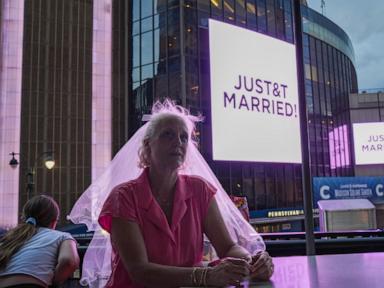
When synthetic images of a private, hyper-exclusive Taylor Swift wedding flooded social feeds, cultural critics wrung their hands over the "death of truth." They treated the fans engaging with these images like gullible marks who couldn't separate a pixel from a photograph.
They are wrong. The fans knew it was fake. They just didn't care. IGN has analyzed this fascinating topic in great detail.
The collective experience of a simulated event isn't an engine of mass deception. It is the evolution of fan fiction into a visual, crowdsourced ecosystem. For decades, legacy media gatekeepers controlled access, dictating exactly what audiences could see, when they could see it, and how much they had to pay for the privilege. Generative tools have broken that monopoly, allowing communities to bypass the PR apparatus entirely and build the collective mythology they actually want.
The Illusion of the Passive Fan
The core flaw in the mainstream critique of synthetic media is the assumption of audience passivity. Critics look at a highly detailed, AI-generated photo of a pop star in a hidden English garden and assume the viewer is being tricked.
I have analyzed online community behaviors during major viral media events for over a decade. The data tells a completely different story.
When you look at the comment sections, forums, and subreddits where these images circulate, the dominant behavior isn't confusion. It is participation. Fans analyze the lighting errors, joke about the weirdly rendered hands, and immediately treat the image as a writing prompt.
- The Old Model: A celebrity leases a single photo to a magazine for millions. The fan consumes it passively.
- The New Model: The fan base generates a thousand variations of a hypothetical event, voting up the best narratives through engagement.
This is collective wish fulfillment operating as a creative playground. Labeling this as a dangerous disinformation crisis is like walking into a theater during a fiction movie and screaming that the director is lying to the audience.
The Gatekeeper Grief Cycle
Why is the media establishment so terrified of synthetic fan culture? Because it threatens the economy of exclusive access.
For half a century, the entertainment business ran on a simple formula: celebrities keep their lives secret, paparazzi try to steal glimpses, and major publications buy the rights to the reveal. It was a scarcity-driven market.
Synthetic media introduces infinite abundance.
[Traditional Media Economy] -> Scarcity -> Controlled Access -> Monopolized Profit
[Generative Fan Economy]   -> Abundance -> Open Collaboration -> Decentralized Culture
When a community can generate a visually stunning, emotionally resonant wedding album for their favorite star in five seconds, the commercial value of an actual, exclusive paparazzi shot plummets. The anxiety surrounding these images isn't driven by ethical concern for the consumer; it is driven by the panic of legacy media companies realizing they no longer control the visual narrative.
Jean Baudrillard warned about the simulacrum—the copy that replaces the original. But he didn't foresee that the audience would prefer the copy because they got to help design it. The "secret garden" wedding didn't exploit the fans. It liberated them from waiting for permission to imagine it.
Dismantling the Consent Argument
The strongest pushback against this perspective centers on consent. The argument goes: Celebrities have a right to their own likeness, and generating fictional milestones violates their autonomy.
Let's address this honestly.
Public figures are, and have always been, public domain avatars for collective human emotion. The moment a person scales to global stardom, their public persona separates from their actual human existence. They become a brand, a trope, a character in a global soap opera.
Historically, we allowed this character to be manipulated via tabloid headlines, unauthorized biographies, and late-night sketch comedy. Generative media is simply the digitization of that long-standing cultural tradition.
Is there a line? Absolutely. Malicious defamation, explicit non-consensual imagery, and financial fraud require aggressive legal boundaries. But a harmless, idealized depiction of a wedding? That falls squarely under the banner of modern folklore.
If we ban the right of the public to remix, reimagining, and visually discuss the icons who dominate our cultural consciousness, we hand total control of public discourse back to corporate PR departments. That is a far more dangerous outcome than a few weird artifacts on a fake bridal gown.
Why Authenticity is an Outdated Metric
People often ask: If we tolerate fake images today, how will we ever trust real journalism tomorrow?
The question itself is flawed because it conflates two entirely different use cases. You do not look at a celebrity fan page for hard journalistic truth. You look at it for community, entertainment, and emotional resonance.
In the arena of entertainment, the obsession with "authenticity" is a trap. Most celebrity public relations campaigns are highly calculated fabrications anyway. The candid photo on Instagram was shot by a professional, lit by a crew, and approved by three agents. The "authentic" glimpse into their life is just as synthetic as the model generated by a neural network.
The AI version is just more transparent about its artificiality.
The Operational Reality of Visual Fandom
If you operate in the entertainment, marketing, or technology sectors, fighting this shift is a fast track to irrelevance. I have seen brands throw millions of dollars into litigation and digital watermarking initiatives to protect their visual IP, only to alienate their most passionate consumers.
Instead of policing the boundaries of reality, forward-thinking creators are treating synthetic media as a free focus group.
Imagine a scenario where a music label observes the specific aesthetics of AI-generated fan art to determine the visual direction of a singer's next actual album. Instead of paying a creative agency half a million dollars to guess what the audience wants, the audience is actively building the mood boards in real time.
The downside to this approach is obvious: it requires giving up total control. It means accepting that your brand no longer belongs entirely to you. It belongs to the network.
Stop Trying to Fix the Internet
The demand for absolute verification in casual entertainment spaces is an impossible, puritanical goal. The internet is not a clean, orderly library; it is a chaotic, visual ecosystem driven by attention and desire.
The fans who spent days sharing, editing, and celebrating a fictional wedding weren't victims of a tech-driven dystopia. They were active participants in a new form of digital myth-making. They bypassed the magazines, ignored the PR blocks, and created their own joy out of thin air.
The gatekeepers can keep crying wolf about the dangers of synthetic media. Meanwhile, the culture has already moved on, built its own playground, and left the moral panic behind.
Step out of the panic room. The fakes are fine. In fact, they are much more interesting than the reality we are being sold.