The air up there smells of ancient ice and pulverized stone. If you have ever stood in the high valleys of the Himalayas, you know the silence. It is not the silence of a library or a sleeping bedroom. It is a heavy, brooding quiet, pregnant with weight. Millions of tons of frozen water hang suspended above green terraces, looking eternal. They are not. They are dying.
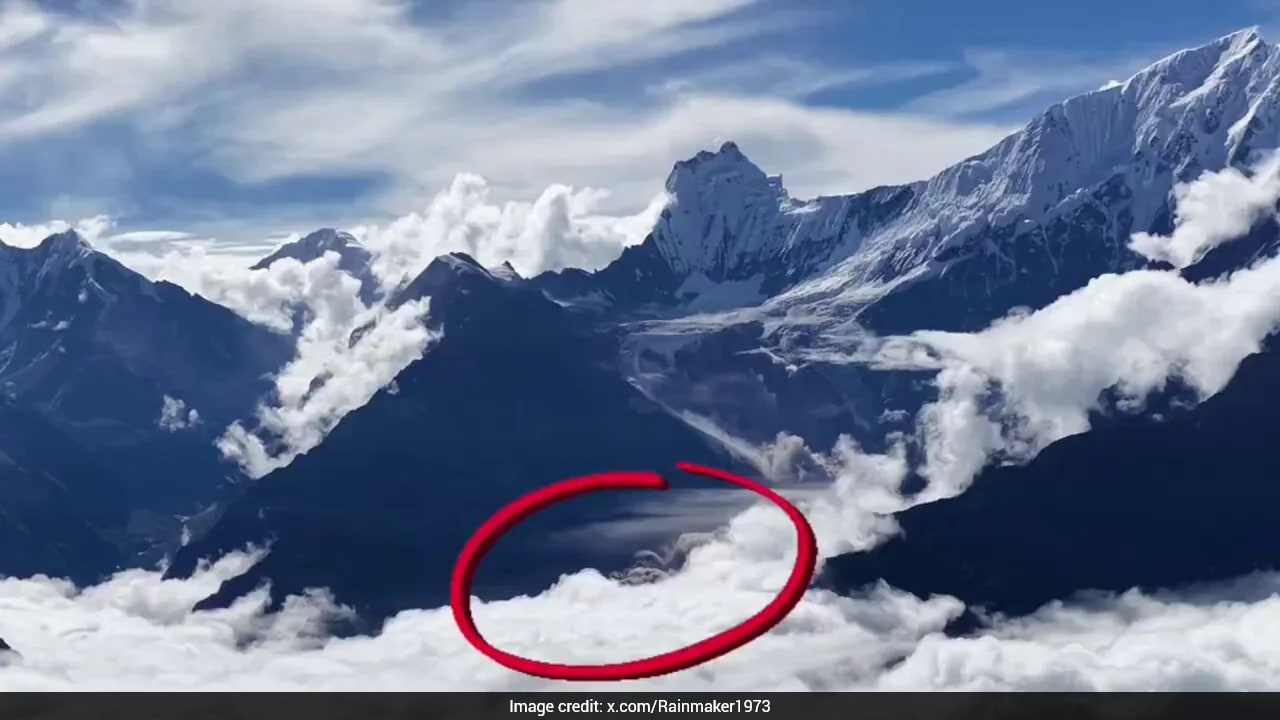
Down in the gorge, the river is usually a predictable, turquoise thread. On a routine afternoon, a small, commercially available drone hummed into the thin air, piloted by someone simply looking to capture the majestic sweep of Nepal’s topography. The buzzing propellers were nothing against the vastness. But that tiny plastic lens captured something humanity had never seen before from this angle. A mountain unspooling in real time. Recently making headlines in related news: Why Washingtons Salmon Surge Proves River Fixes Actually Work.
Ice does not break quietly. When a glacier calves, it sounds like artillery fire echoing through a canyon. Then comes the slide.
The Anatomy of a Sudden Threat
Imagine standing at your kitchen counter, pouring milk into a glass, entirely unaware that the floorboards are slowly rotting away beneath your feet. That is what life resembles in these high-altitude settlements. More information on this are covered by The Guardian.
The drone footage, later analyzed by glaciologists and disaster response teams, revealed a terrifying sequence. A massive chunk of the glacier gave way, plunging thousands of feet into the valley below. It smashed into alpine lakes already swollen with meltwater, triggering a catastrophic chain reaction. This was the spark that lit the fuse of the Nepal flash floods.
Water is remarkably patient, until it is violent. When a glacial lake outburst flood occurs, it behaves less like a flowing river and more like a liquid battering ram. Boulders the size of delivery trucks ride the crest of the wave. Entire bridges are treated like toothpicks. Mud, timber, and ice merge into a singular, dark slurry that devours everything in its path.
People who lived through similar torrents talk about the sound first. It does not arrive as a roar. It begins as a low, subterranean vibration that rattles the fillings in your teeth. Your instinct tells you to run uphill. Your legs tell you the ground beneath you is turning to liquid.
When Nature Speeds Up
We are conditioned to think of geological time in centuries. Mountains are supposed to be the ultimate metaphor for permanence. Solid as a rock. Unmovable. But climate acceleration has rewritten the dictionary.
Temperatures in the Hindu Kush Himalayan region are rising faster than the global average. The ice is weeping. Then it is bleeding. Then it is collapsing.
Consider the sheer physics of what the drone recorded. As global temperatures tick upward, internal cavities form within these ice masses. Meltwater pools inside glaciers, acting like a hydraulic jack. Eventually, the structural integrity fails. The mountain collapses inward.
When that happens, downstream communities have minutes, sometimes seconds, to react. Early warning systems save lives, but they cannot save homes, ancestral fields, or centuries-old shrines. They can only tell a mother to grab her child and run for the ridge before the wall of water arrives.
The Human Cost Beyond the Statistics
Numbers sanitize tragedy. We read that a flood displaced five hundred families or washed away twelve kilometers of roadway. We nod, click to the next tab, and forget.
Let us drop the abstraction. Picture a farmer named Dorjee, tending to his potato patch in the shadow of the peaks. He does not own a smartphone to check satellite weather models. He relies on the rhythm of the seasons, a rhythm his grandfather taught him. Only the rhythm is broken. The monsoon rains arrive at odd angles now. The winters are shorter, sharper, and drier, followed by sudden, torrential downpours that melt the glaciers from above.
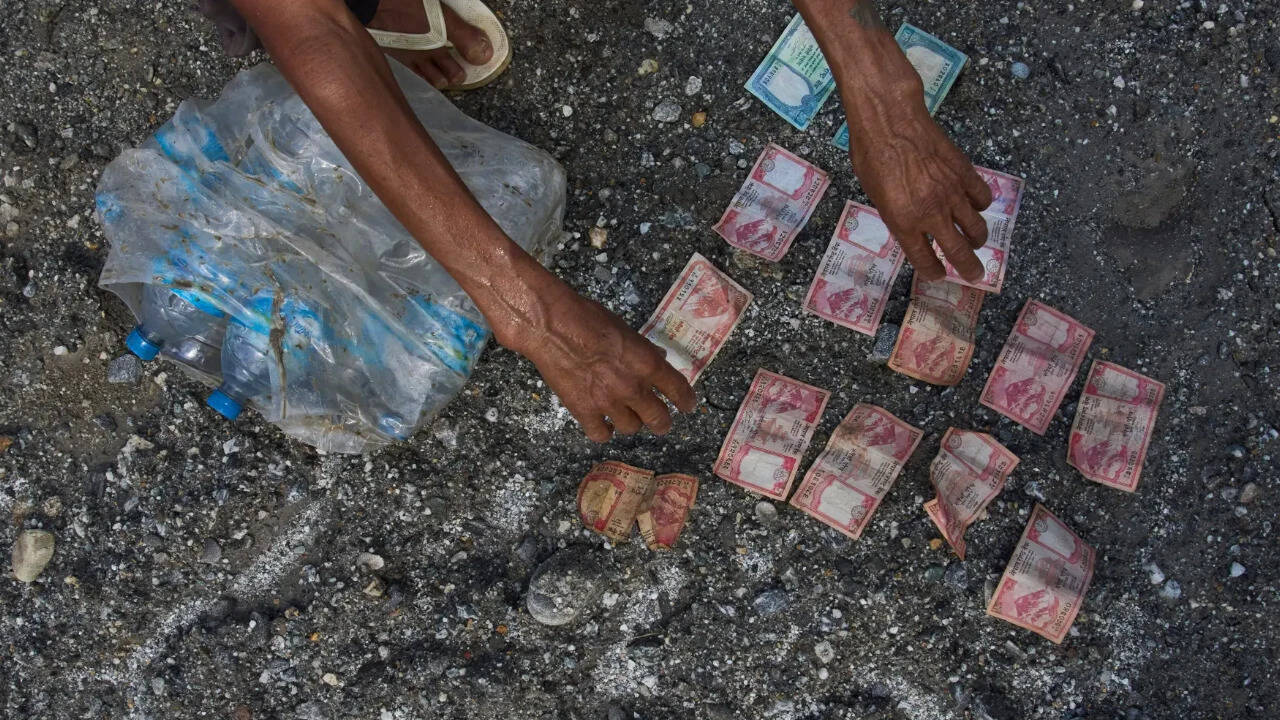
When the flash flood hit following the collapse caught on that drone camera, Dorjee did not lose a statistical data point. He lost his childhood home, the stone wall he built with his own calloused hands, and the burial site of his ancestors.
The machine in the sky recorded the physics of the disaster. It captured the white plume of fractured ice and the dark churning mud below. But it could not record the quiet grief that settles over a valley once the water recedes and the survivors return to look at empty space where a village used to stand.
We are left watching a screen, marveling at the clarity of modern technology, while the world we thought we knew slips quietly down the river.
The ice is gone. The water has rushed past. And the mountain stands a little lighter, a little more jagged, waiting for the next warm day.