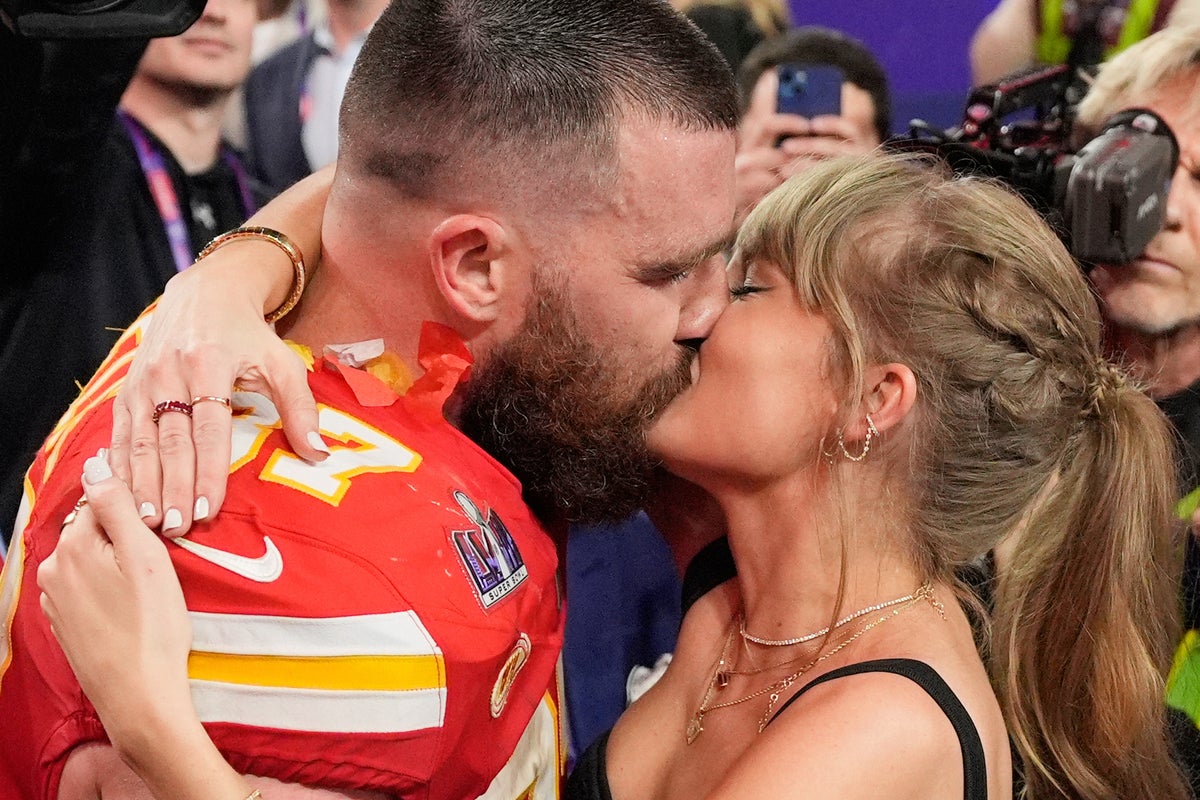
Traditional media outlets are running themselves ragged analyzing city planning documents, traffic advisories, and hotel bookings in Manhattan. They see a permit application from Winick Productions to shut down the streets around Madison Square Garden from July 2 to July 4. They see Kansas City Chiefs players reserving floors at the Times Square Marriott Marquis. They hear a stray quote from Mayor Zohran Mamdani about a massive event, and they declare that the American Royal Wedding is locked into the world's most famous sports arena for July 3.
It is a beautifully packaged narrative. It is also a massive, coordinated head fake.
If you believe Taylor Swift—a billionaire whose entire professional identity is built on structural hyper-vigilance, intricate misdirection, and military-grade privacy management—is going to exchange vows in a windowless concrete arena above Penn Station on a holiday weekend, you are playing the wrong game. The mainstream press is treating this like a standard celebrity logistics puzzle. In reality, it is a lesson in diversion tactics. The Madison Square Garden rumors are a masterful smoke screen designed to keep the paparazzi looking left while the actual event happens entirely out of frame.
The Structural Failure of the Arena Narrative
Mainstream entertainment columnists love the Madison Square Garden theory because it fits the superficial "bigness" of the Swift-Kelce brand. They argue that an arena seating 22,000 is the perfect monument for a couple obsessed with stadium-sized spectacles and championship trophies.
That logic completely ignores the architectural and logistical reality of high-end celebrity security.
Consider the physical profile of the venue. Madison Square Garden sits directly on top of Penn Station, one of the busiest transit hubs in North America. The Amtrak Police and the NYPD are briefed on heightened activity, yes, but think about the security perimeter. Closing down the streets surrounding Eighth Avenue does not magically sanitize the subterranean train tracks running directly underneath the venue floor. For a principal target with Swift's security risk profile, an active mass transit hub with thousands of uncontrolled moving parts is a nightmare scenario, not a fortress.
I have watched public relations teams manage high-profile events for a decade, and the first rule of true elite privacy is absolute control over the vertical environment. You do not get that at Penn Station, no matter how many temporary permits you file with the city's Street Activity Permit Office.
The Logistics of the Perfect Red Herring
The city documents are real. The permits for a 500-to-999-guest event with a temporary tent outside the venue are real. The hotel blocks for the Kansas City Chiefs are real. But the conclusion that these pieces add up to a primary wedding ceremony is fundamentally flawed.
What the media is tracking is the infrastructure for an after-party or a secondary corporate-sponsored celebration, not the wedding itself.
Look at the timeline leaked by insiders: a tight 100-person gathering on July 2, followed by a massive 1,000-person blowout on July 3. If you want to keep a real wedding private, you pull a classic bait-and-switch. You leak the highly verifiable, paper-trail-heavy stadium event to the press. You let the paparazzi set up their long-lens cameras on Eighth Avenue. You let the fan base crowd the barricades outside Manhattan.
Meanwhile, the actual exchange of vows takes place days prior, or concurrently, in a completely controlled environment—like her fortified estate in Watch Hill, Rhode Island, where locals have already noted anomalous security spikes and physical structural setups behind closed gates.
This isn't a new strategy. Elite figures have long used sacrificial public events to satisfy the media appetite while keeping their actual personal milestones completely sterile. By throwing a massive, loud, highly disruptive event at Madison Square Garden, Swift satisfies the public demand for a spectacle without sacrificing the sanctity of her actual marriage license execution.
Dismantling the Public Versus Private Fallacy
The internet is currently divided, with critics calling the rumored venue choice tacky, narcissistic, or dystopian. Commentators argue that anyone who genuinely wanted a private wedding wouldn't shut down midtown Manhattan.
That criticism completely misinterprets how modern celebrity brands operate. The mistake is assuming privacy and spectacle are mutually exclusive choices for this couple. They aren't. They are two distinct business units under the same corporate umbrella.
Swift and Kelce have turned their relationship into an economic engine. Every public appearance serves a narrative purpose, driving engagement metrics, streaming numbers, and sports merchandise sales. A public celebration at an iconic American venue on the 250th anniversary weekend of the country is an undeniable branding masterstroke. It leans heavily into Americana imagery.
The downside to this approach is obvious: it invites intense cynicism and alienates purists who prefer old-school, quiet-wealth privacy. But this relationship has never been about quiet wealth. It is about loud impact.
The Real Actionable Takeaway for Onlookers
Stop looking at the marquee. If you want to know what is actually happening with the Swift-Kelce union, ignore the street closures in Manhattan and watch the peripheral movements.
- Track the corporate production timelines: Winick Productions isn't a traditional boutique wedding planner; they handle massive corporate and public event logistics. This points to a broadcasted or heavily documented production, not an intimate family affair.
- Watch the secondary properties: The real, legally binding ceremony requires a distinct environment. The activity in Rhode Island or private departures from regional airports will tell you the true timeline long before a motorcade arrives in Manhattan.
- Analyze the media distribution: True privacy in 2026 is achieved through noise generation. The more details that emerge about Amtrak security coordination and specific guest counts at the Garden, the higher the probability that the real event has already occurred elsewhere.
The traditional media will spend the holiday weekend reporting from behind plastic barricades on a humid New York street, thinking they are witnessing history. The true insider play is recognizing that the biggest pop star on earth didn't become a billionaire by letting the public see her hand before she plays it. The Garden is a stage, the permits are props, and the media is the audience exactly where she wants them—staring at the curtain while the real move happens backstage.