Don't believe the knee-jerk headlines out there. If you've been reading the news about the fresh U.S.-Iran framework agreement, you've probably seen wild claims about a $300 billion payout to Tehran. Critics are already screaming about "pallets of cash" and historic sellouts. President Donald Trump even fired back on social media, calling reports of a giant taxpayer payout "Fake News."
But here is what's actually happening. There is a $300 billion fund baked into this tentative peace framework. And yes, more than half of that massive sum—over $150 billion—is already pledged. But it isn't an American tax-funded check, and it isn't a direct handout to the Iranian government.
If you want to understand how this deal might actually alter the Middle East, you have to look at how this money is structured. It's a high-stakes corporate gamble masquerading as a diplomatic peace offering.
The Rebranding of War Reparations
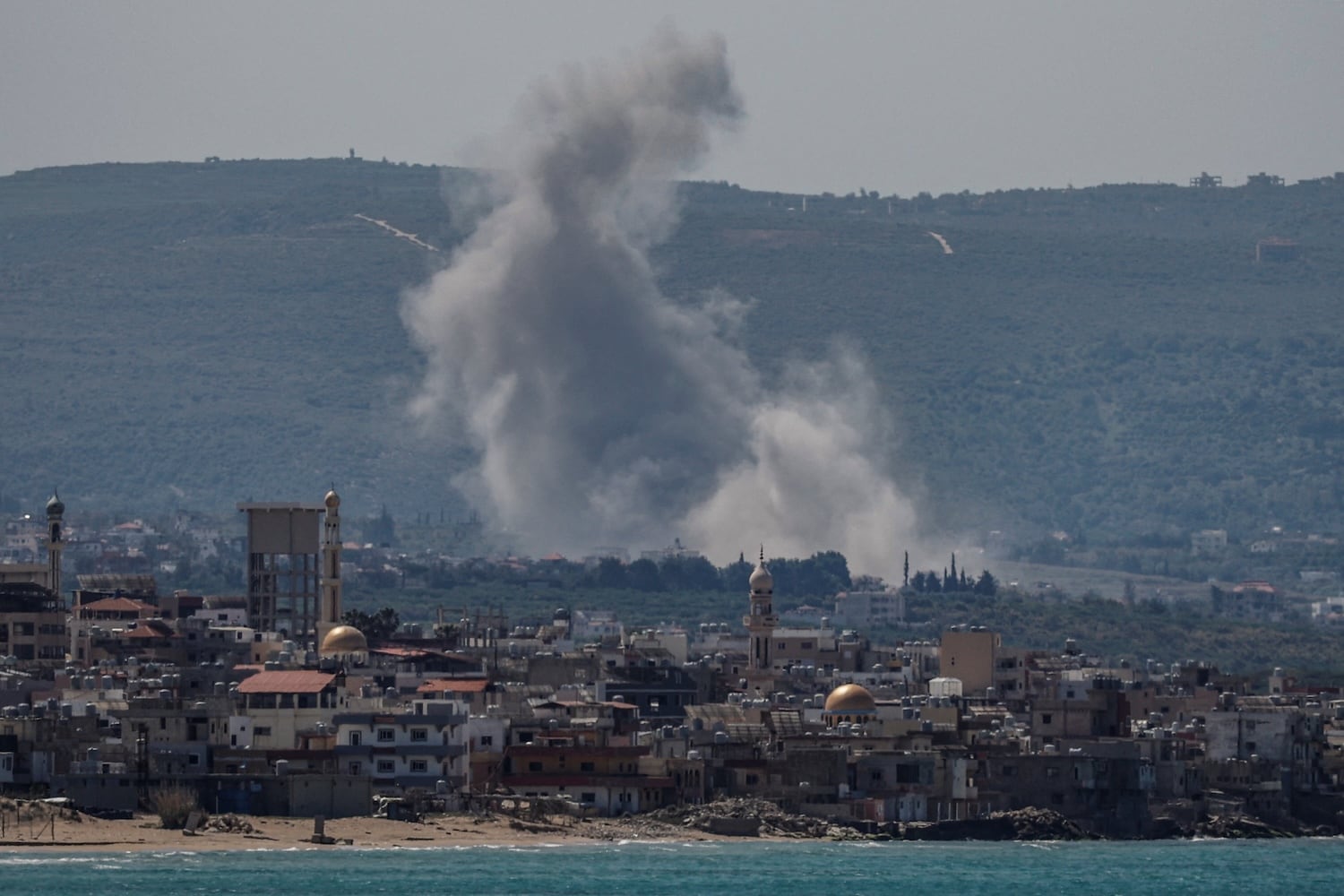
When American and Israeli forces struck Iranian territory back on February 28, it triggered a brief but devastating conflict. The aftermath left Iran’s industrial core in tatters. Bridges, airports, refineries, and major industrial hubs like the Mobarakeh Steel complex took massive hits.
When negotiators sat down to hammer out a ceasefire and reopen the blockaded Strait of Hormuz, Tehran didn't mince words. Iranian officials demanded $400 billion in direct war compensation from Washington.
The U.S. flatly refused. Paying direct reparations was a political non-starter for the Trump administration.
Enter the Reconstruction and Development Fund.
Instead of Washington cutting a check, negotiators pivotally shifted the burden to the private sector. It's a clever bit of diplomatic misdirection. The fund is designed entirely as a private investment vehicle. No government money. No public grants. No American taxpayer liability.
Instead, it's an invitation for global corporations to build, own, and profit from rebuilding Iran. Tehran gets its damaged infrastructure repaired, while Washington avoids the bad optics of funding an adversary.
Who Is Actually Putting Up the Cash
The most surprising detail of this framework is how quickly global business jumped at the chance. More than half of the $300 billion capital pool is already committed by corporations across the globe.
We aren't just talking about regional neighbors. Pledges are rolling in from firms based in the United States, the Gulf Arab states, South America, Asia, and Africa. They are targeting vital sectors:
- Energy: Upgrading outdated oil fields and repairing damaged refineries.
- Logistics and Transport: Rebuilding commercial airports, deep-water ports, and highways.
- Manufacturing: Reviving heavy industrial plants like steel and petrochemicals.
Why would corporate boards rush into a literal war zone? Look at the raw math. Iran holds the world's second-largest proven natural gas reserves and the fourth-largest proven oil reserves. It’s a massive, highly educated market of 92 million people that has been frozen out of Western capital markets for four decades.
To global investors, a normalized Iran isn't a geopolitical risk. It’s the ultimate untapped frontier. The plan relies on regional allies, particularly the Gulf Coast Coalition, to provide credit lines and loans to help secure these private corporate investments.
The Catch That Could Kill the Deal
Don't expect construction crews to land in Tehran tomorrow. This fund is strictly a paper tiger until a "final and satisfactory" treaty is signed.
Right now, both sides have agreed to a temporary framework that lifts the immediate shipping blockades and extends a fragile ceasefire. The electronic signature on the memorandum opens up a strict 60-day negotiation window. A formal signing ceremony is set for Friday in Switzerland, which kicks off this two-month clock.
During these 60 days, fund administrators and Iranian officials will scope out specific projects. But the money stays locked away.
Vice President JD Vance made the administration's stance clear: Iran only gets access to this corporate investment pipeline if it completely dismantles its nuclear capabilities. That means eliminating its current 9,000-kilogram stockpile of enriched uranium, including the 440 kilograms of near-weapons-grade material that Trump calls "nuclear dust." It also requires accepting an uncompromising international inspection regime.
This sets up a massive point of friction. Hardliners in Tehran are already pitching this deal to their domestic audience as a massive financial victory that forces the West to rebuild their nation. Meanwhile, the White House is selling it as a total capitulation by Iran on the nuclear front. Both narratives can't survive the 60-day reality check.
What Happens Next
This entire economic incentive structure is a separate track from parallel talks regarding existing U.S. sanctions and the unfreezing of Iranian sovereign assets stuck in foreign banks. It is a carrot designed to keep Tehran compliant during the upcoming, brutal rounds of face-to-face negotiations.
If you are tracking the economic fallout of this deal, forget the political rhetoric and watch these concrete markers over the next two months:
- Monitor the Swiss Signing on Friday: Ensure the formal memorandum goes through without a last-minute hitch, officially starting the 60-day clock.
- Watch the Strait of Hormuz: Check global shipping data to verify that oil tankers are moving freely through the strait without transit fees or military harassment. Free-flowing energy supply is the first real trust-building measure.
- Track the IAEA Reports: Look for concrete confirmation that on-site dilution of Iran's uranium stockpile has actually begun under international supervision.
If those three markers hit, those billions of dollars in corporate pledges will start turning into real-world contracts. If they stall, the $300 billion fund disappears back into the realm of diplomatic fiction.