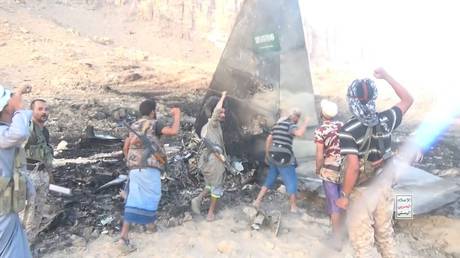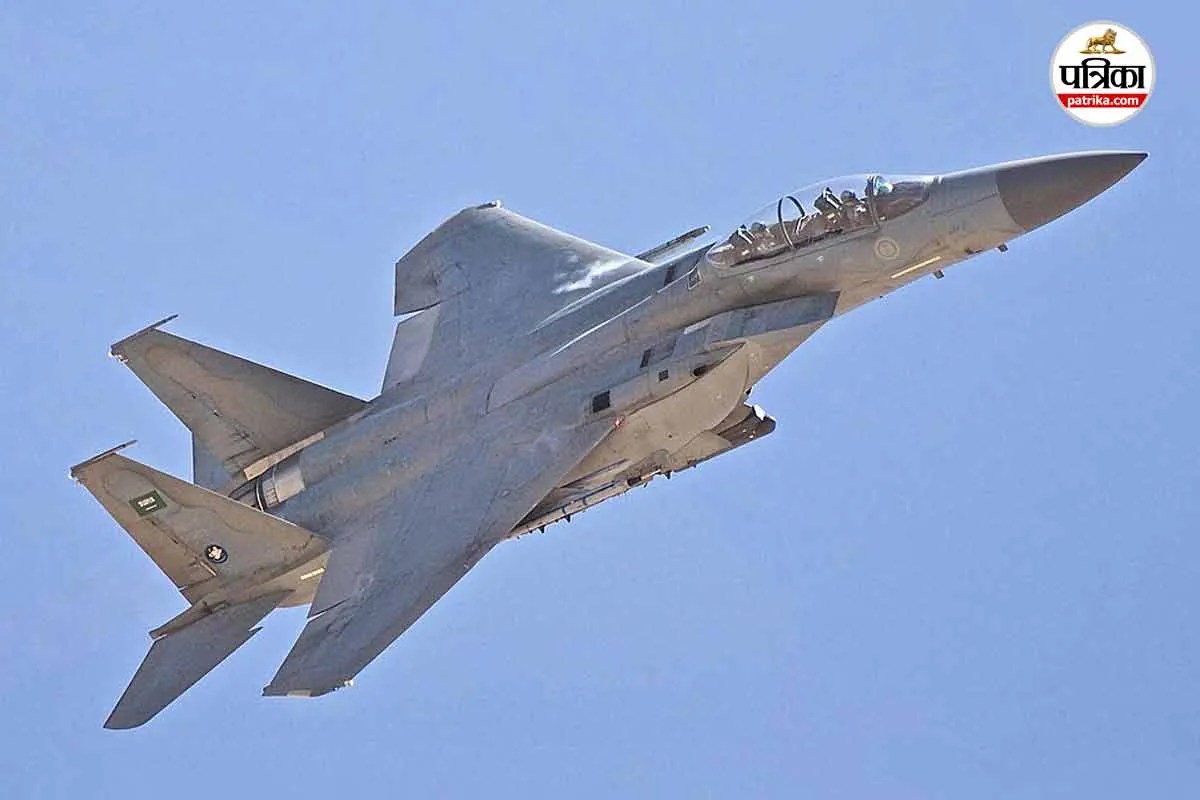
Every time a headline screams about a Saudi F-15 dropping out of the Yemeni sky, the defense commentariat collectively loses its mind. They treat it like a watershed moment in modern air warfare, a sign that asymmetric insurgents are somehow rewriting the laws of aerial supremacy with shoulder-fired magic or cobbled-together electronics. It is lazy, sensationalist journalism that fundamentally misunderstands how modern air power actually operates and why these losses happen in the first place.
Let us strip away the mythology. If you liked this piece, you should look at: this related article.
For years, analysts have pushed a lazy consensus: that advanced, fourth-generation Western strike aircraft are becoming obsolete in low-intensity regional conflicts because non-state actors possess cheap, ubiquitous surface-to-air missiles. This is a fairy tale told by people who have never spent an hour inside a combined air operations center or analyzed the brutal calculus of attrition warfare. The Saudi F-15 fleet is not falling victim to some revolutionary tactical genius in Marib or Sanaa. It is paying the inevitable tax of high-tempo operational tempo, degradation of maintenance pipelines, and the hard physical limits of sustained combat over hostile territory.
When an aircraft goes down over Yemen, the immediate knee-jerk reaction from defense blogs is to point fingers at newly upgraded Iranian surface-to-air missile variants or sophisticated radar-guided traps. They love the narrative of David versus Goliath. It sells clicks. But it ignores the unsexy, grinding reality of military logistics. Airframes do not fall out of the sky purely because of enemy capability; they fall because of the friction of war, human error, radar horizon limitations, and the sheer cumulative stress of flying thousands of sorties without the pristine, factory-level depot support enjoyed by Western air arms. For another look on this story, refer to the latest coverage from Al Jazeera.
The Myth of the Low-Cost Equalizer
Let us look at the core premise driving these reports: the idea that a cheap asymmetric actor can neutralize a multi-million-dollar fighter jet with a modified surface-to-air system.
It sounds poetic, but it collapses under basic operational scrutiny. Operating an F-15—specifically variants like the Saudi F-15SA or S—requires a staggering logistical umbilical cord. We are talking about precision electro-optical targeting pods, advanced electronic warfare suites, and complex datalinks. When a jet is lost, the post-incident analysis rarely points to a clean, textbook engagement by an integrated air defense network. More often than not, it points to a convergence of fatigue, tactical overextension, and the exploitation of predictable flight corridors.
I have watched defense pundits hyperventilate over every single lost hull, treating it as proof that the era of manned tactical aviation is dead. That is absolute nonsense. Insurgents do not possess an integrated, layered air defense grid capable of denying airspace to a disciplined, well-rehearsed strike package. What they possess is patience, concealment, and the luxury of time. If you fly the same altitude profile over the same contested province day after day, week after week, gravity and statistics will eventually catch up with you. That is not tactical brilliance on the ground; that is tactical complacency in the air.
The Operational Reality Nobody Wants to Admit
To understand why these incidents keep occurring, you have to look past the wreckage photos and examine how regional air forces manage their flight hours.
Maintaining a high-readiness fleet of heavy fighters in a harsh desert environment is an engineering nightmare. Fine abrasive sand, extreme thermal swings, and relentless deployment cycles degrade avionics and structural integrity at an accelerated rate. When an air force is pushed to maintain an aggressive operational tempo to support ground operations in places like Marib, corners get cut. Inspection intervals stretch. Pilot fatigue sets in.
Imagine a scenario where a strike package is dispatched for the fourth time in forty-eight hours to support beleaguered ground forces. The pilots are running on minimal sleep. The ground crew skipped a secondary diagnostic check on the passive warning receiver to turn the jet around faster. The tactical routing is constrained by political boundaries and threat rings that force the aircraft into predictable ingress and egress lanes.
When a missile finally connects under those conditions, it is not a triumph of insurgent technology. It is a system failure across the entire chain of command, from strategic planning down to tactical execution. Blaming it entirely on a lucky surface-to-air missile shot is a convenient way for military leadership to avoid hard questions about operational management and maintenance discipline.
Dismantling the People Also Ask Fallacy
If you search for details surrounding these incidents, the recurring queries are predictably superficial: Can an F-15 be shot down by ground fire? How effective are Houthi air defenses?
The questions themselves are framed incorrectly. Asking whether an F-15 can be shot down is like asking whether a sports car can crash. Of course it can. Any machine operating in a hostile physical environment is vulnerable to physics and high explosives.
The real question you should be asking is: Why are high-value airframes being exposed to low-altitude threat envelopes where legacy infrared and optical systems can reach them?
The answer exposes the fundamental tension of modern intervention campaigns. Air power is designed for standoff, precision, and systemic dismantling of command-and-control nodes. But when political objectives require tactical close air support for ground proxies in chaotic, fragmented terrain, commanders are forced to push multi-role fighters down into the dirt where the enemy's primitive, rugged weapons have a vote. You are taking a scalpel and trying to use it as a sledgehammer.
The Hard Truth About Attrition Warfare
Here is the bitter pill that neither side of the conflict wants to swallow. In a protracted war of attrition, airframes are consumable items. No military keeps a pristine record forever.
The Royal Saudi Air Force operates one of the most capable fleets of F-15s outside the United States. Their pilots undergo rigorous training, and their hardware is sophisticated. But hardware is only as good as the doctrine guiding it. When doctrine bends to accommodate immediate political pressure on the ground, safety margins evaporate.
The narrative that Yemen has become a graveyard for modern fighters due to revolutionary insurgent tactics is comforting for armchair generals who love a good underdog story. It avoids the messy, complicated truth about military bureaucracy, logistical strain, and tactical fatigue.
Stop looking for secret super-weapons in the desert hills. Start looking at flight logs, maintenance schedules, and mission profiles. That is where wars are actually lost before the first missile ever leaves the rail.