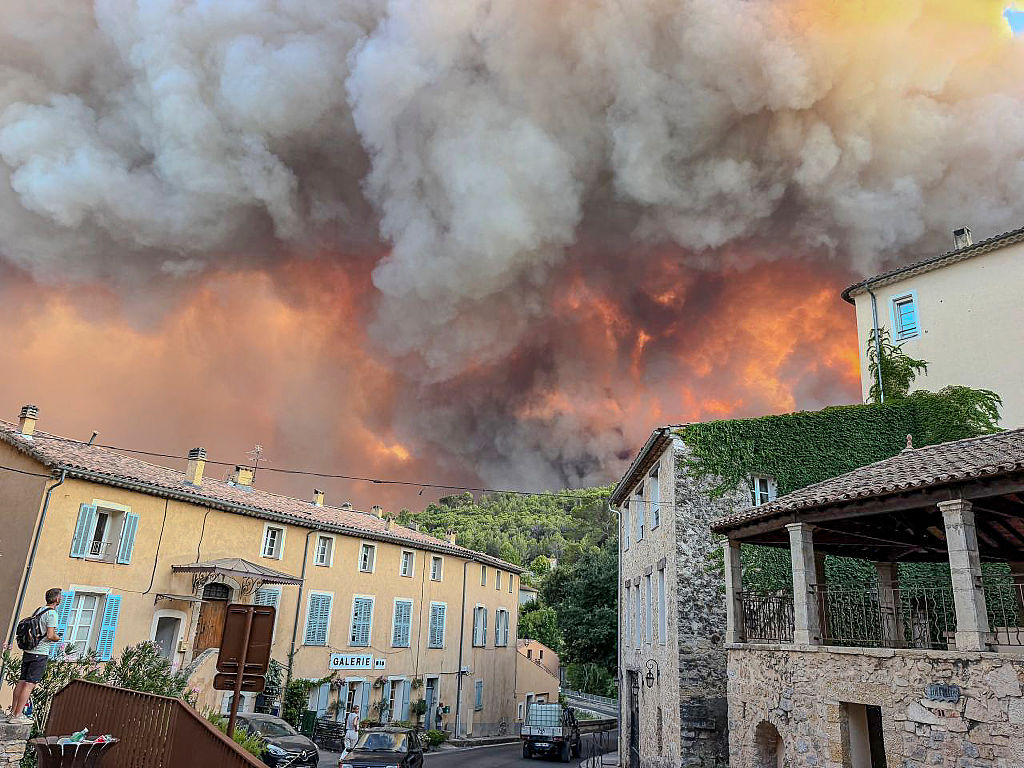
Europe is burning again, and pretending this is just a temporary summer inconvenience is no longer an option. Following the catastrophic destruction seen in 2025—where more than one million hectares scorched across European Union borders—the continent faces another punishing trajectory. Data tracked by the European Forest Fire Information System (EFFIS) shows that more than 254,000 hectares have already burned early into the season. While that sits slightly below the record-shattering pace of last year, the sheer frequency of blazes has more than doubled the long-term historical average.
You need to understand why these fires behave differently now. They aren't just isolated incidents confined to dry southern pine forests anymore. They are spreading across central Europe, creeping into regions completely unprepared for crown fires and intense heat anomalies.
The Reality Behind the Flames
The narrative that wildfires are strictly a Mediterranean problem is dead. Look at the numbers from Germany, France, and parts of northern Europe. Countries far outside the traditional southern zone are recording burned areas hundreds of percentages above their long-term averages.
In 2025, the EU saw annual damages skyrocket, hitting roughly €2.5 billion in infrastructure losses while consuming 39% of protected Natura 2000 ecological sites. Fast forward to the current season, and countries like France and Spain are already dealing with massive evacuations. Tens of thousands of residents and tourists have been forced out of regions near Bordeaux and Madrid as temperatures spike and humidity drops to dangerous lows.
The World Health Organization reports that land burned by wildfires across the broader European region jumped by 57 percent over a four-year window. This isn't a statistical fluke. It is a structural shift driven by consecutive years of severe drought, record-breaking June heatwaves, and changing vegetation structures.
Why Traditional Firefighting is Failing
If you rely on old playbooks, you lose. For decades, emergency response agencies focused heavily on suppression—waiting for a fire to start and throwing every available water bomber and truck at it. That model is breaking down.
When a heatwave pushes the Fire Weather Index into extreme territories for weeks on end, traditional suppression becomes physically impossible. Winds pick up, humidity plummets, and fire fronts move faster than ground crews can safely deploy.
- Ignition sources have multiplied through human activity and extended dry spells.
- Fuel loads are heavier because previous fires left dead timber and dense undergrowth unmanaged.
- Urban sprawl pushes residential areas deeper into forested zones, creating a wildland-urban interface that makes evacuation logistically nightmarish.
Governments are finally trying to pivot toward year-round prevention rather than seasonal reaction. The European Commission launched a modernized risk management framework built on prevention, preparedness, and landscape restoration. But policy changes take years to manifest on the ground, whereas dry pine needles and high temperature anomalies are present right now.
What Needs to Happen on the Ground
Actionable defense starts locally. If you live anywhere near a vulnerable woodland interface, you can't just wait for civil protection alerts. Property owners across France, Spain, and Greece are learning that clearing defensible space around buildings is mandatory, not optional.
Authorities must accelerate forest thinning and controlled burns during cooler months to reduce fuel loads. Waiting until July to think about fire safety means you've already lost the battle.
Pay attention to local smoke advisories, respect evacuation orders immediately, and stop ignoring the baseline shift in Europe's climate reality. The continent's fire seasons are longer, hotter, and harder to control.


