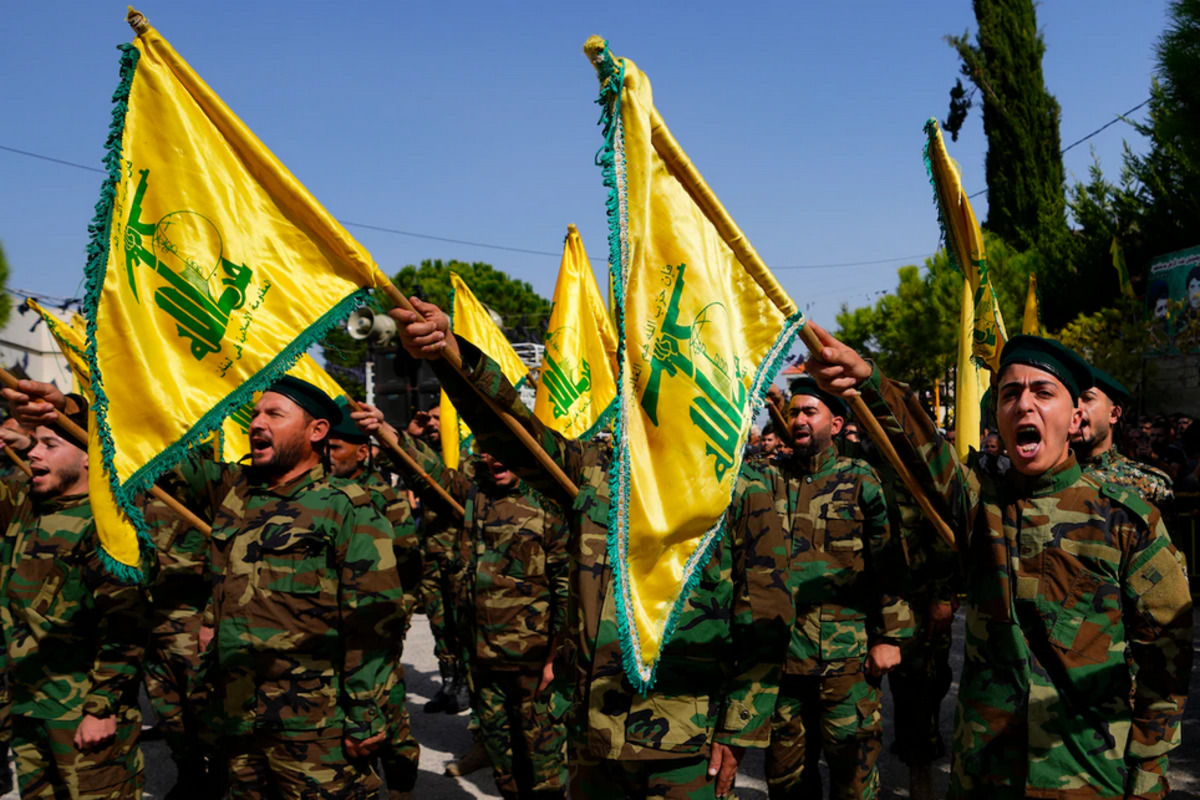
Hezbollah has intensified its military response against Israeli Defense Forces (IDF) operating in southern Lebanon, launching a series of coordinated ambushes and rocket barrages designed to disrupt Israeli forward positions. This surge in operations represents a deliberate tactical shift aimed at exploiting the complex topography of the border region to inflict maximum casualties and slow down Israeli armor advancements. Rather than relying solely on defensive positions, the militant group is executing a fluid doctrine of hit-and-run maneuvers, utilizing underground infrastructure and anti-tank guided missiles to challenge Israeli territorial gains.
The Mechanics of the Southern Front
The border zone between Israel and Lebanon is not a simple line on a map. It is a jagged terrain of rocky hills, deep ravines, and fortified villages that inherently favors guerrilla defense over conventional mechanized warfare. Hezbollah has spent decades mapping these specific ridge lines.
Recent engagements show that the group is employing a tiered defensive strategy. The initial layer consists of small, highly mobile units equipped with Kornet anti-tank missiles. These teams do not attempt to hold fixed positions against superior Israeli firepower. Instead, they wait for Israeli vanguard units to enter narrow valleys or bottlenecks before opening fire from concealed positions, attempting to immobilize the lead vehicles and create logistical traffic jams.
Behind these anti-tank teams lies a secondary network of mortar crews and short-range rocket operators. Their primary objective is to rain indirect fire onto Israeli assembly points and temporary supply hubs just inside the Lebanese border. By keeping these logistics zones under constant threat, Hezbollah attempts to limit the speed at which the IDF can rotate troops and resupply its frontline forces.
The Asymmetric Intelligence Battle
Military superiority involves more than just having heavier tanks or absolute control of the skies. It relies heavily on actionable intelligence. The IDF utilizes an extensive network of unmanned aerial vehicles, electronic surveillance, and thermal imaging to locate targets across southern Lebanon.
To counter this technological dominance, Hezbollah has shifted a significant portion of its command and control structure underground. A vast network of reinforced tunnels, dug directly into the limestone hills, allows fighters to move between firing positions without exposing themselves to aerial reconnaissance. These subterranean passages are not merely hiding holes; they serve as ammunition depots, communication nodes, and staging areas for counter-offensives.
This reliance on low-tech camouflage and secure wired communication networks minimizes the electronic signature that Western and Israeli signals intelligence typically intercepts. When Israeli forces clear a surface position, they frequently face fire from a location previously deemed secure, demonstrating the persistent challenge of neutralizing an adversary that operates largely out of sight.
The Role of Long Range Rocket Artillery
While the fighting on the ground remains concentrated in the border villages, the strategic weight of Hezbollah's strategy rests on its rocket inventory. The group continues to launch salvos deep into northern and central Israel. This serves a dual purpose.
- Deterrence Maintenance: It signals to the Israeli military command that the group retains its long-range strike capabilities despite intensive airstrikes aimed at its leadership and storage facilities.
- Civilian Disruption: The constant threat of rocket fire keeps large portions of the Israeli population near bomb shelters, complicating daily economic activity and maintaining public pressure on the political leadership in Tel Aviv.
The intercept rate of Israel's multi-layered air defense systems remains high, but the sheer volume of incoming projectiles ensures that some bypass the shield, causing localized damage and maintaining a high state of alert across the region.
Regional Supply Lines and Attrition
No military force can sustain a high-intensity conflict without a continuous influx of hardware and ammunition. The current intensity of the clashes highlights the durability of Hezbollah's supply corridors. Despite repeated airstrikes targeting transit routes through Syria and various entry points across Lebanon, a steady flow of specialized equipment continues to reach the frontline units.
This raises significant questions about the long-term efficacy of containment strategies that rely strictly on air power. A war of attrition places heavy demands on both participants. For the IDF, the challenge lies in maintaining prolonged mobilization and securing territory where every ridge line presents a potential ambush. For Hezbollah, the pressure mounts as its traditional strongholds face severe structural destruction, displacing hundreds of thousands of civilians and testing the socio-political fabric of its support base.
The tactical choices observed on the ground indicate that neither side is currently seeking an immediate exit ramp. The conflict has evolved past initial cross-border skirmishes into a systematic campaign where territorial control is measured in meters, and strategic success is defined by endurance rather than rapid victory.