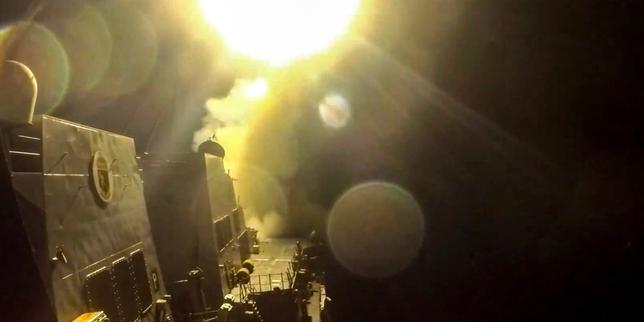
The Middle East is on a knife-edge right now. Recent military strikes between the United States and Iran have shattered any illusion of a contained conflict, sending shockwaves across multiple Gulf nations. We aren't just looking at isolated retaliatory strikes anymore. The latest exchange involves direct American engagement against Iranian assets, followed by swift, aggressive Iranian missile counterattacks targeting locations across Jordan, Kuwait, and Bahrain.
This rapid escalation marks a dangerous shift in the geopolitical dynamic. For years, Washington and Tehran played a shadow game using proxies to signal boundaries. That game is over. By directly striking Iranian installations, the U.S. has triggered a overt, multi-front response from Tehran that deliberately draws neighboring Arab states into the crossfire.
If you're trying to make sense of why this is happening now and what it means for global security, you have to look past the immediate headlines. The situation is moving fast, but the underlying strategy reveals a terrifying calculus from both sides.
The Strategy Behind the Latest US Strikes
Washington's latest military operations weren't just about deterrence. They represented a calculated attempt to degrade Iran's command and control capabilities. U.S. Central Command assets targeted specific intelligence nodes, drone storage facilities, and missile depots used by Iran's Islamic Revolutionary Guard Corps (IRGC).
The Pentagon argues these actions are strictly defensive, aimed at protecting international shipping lanes and regional American personnel. But execution matters more than intent. By hitting these targets directly, the U.S. crossed an unwritten line.
Military analysts from institutions like the International Institute for Strategic Studies (IISS) have long warned that direct strikes on Iranian assets remove Tehran's incentive for restraint. Iran's leadership perceives these actions as a direct threat to its domestic regime survival. When a state feels backed into a corner, its response is rarely measured. It's designed to project strength at all costs.
Tehran Responds by Widening the Map
Iran didn't wait to assess the damage. Its response was immediate, calculated, and terrifyingly broad. Instead of launching a localized counterattack, Tehran fired a salvo of ballistic missiles and precision drones directed at targets across Jordan, Kuwait, and Bahrain.
Why these three countries? The choice was entirely deliberate.
Jordan hosts crucial Western military infrastructure and has consistently aligned its defense posture with the U.S. and regional allies. Kuwait and Bahrain house major American military installations, including the U.S. Navy's Fifth Fleet in Bahrain. By targeting these specific nations, Iran is sending a brutal message to the entire Arabian Peninsula: hosting American forces makes you an active target.
This is a classic asymmetric warfare tactic. Iran knows it cannot match the conventional firepower of the U.S. military. Instead, it weaponizes regional geography. By turning its neighbors into a battlefield, Tehran forces Arab governments to weigh the heavy cost of their security alliances with the West. It's a high-stakes gamble meant to fracture the regional coalition against Iran.
The Miscalculation of Controlled Escalation
The biggest mistake policymakers in Washington and European capitals make is believing escalation can be precisely managed. It can't. History shows that military conflicts have a momentum of their own, often driven by misinterpretation and panic.
Take a look at how these dynamics play out on the ground:
- Intelligence Blunders: When missiles are flying, commanders have seconds to decide whether an incoming blip on a radar screen is a localized threat or the start of an all-out invasion. A single misidentified target can trigger an overwhelming, catastrophic counter-response.
- The Proxy Dilemma: While Iran directly fired these recent missiles, its network of regional proxies—including militias in Iraq, Syria, and the Houthis in Yemen—operates with varying degrees of autonomy. A rogue commander launching an unauthorized strike can instantly drag major powers into a war they claim they don't want.
- Domestic Political Pressure: Neither President Biden nor Iran’s Supreme Leader Ali Khamenei can afford to look weak to their domestic audiences. This political reality locks both leaders into a cycle where every action must be met with an even stronger reaction.
We're seeing this play out in real-time. The rhetoric from both capitals has stiffened. There's no talk of diplomacy, no backchannel negotiations making headway, and absolutely no appetite for compromise.
Severe Fallout Beyond the Battlefield
The consequences of this military escalation extend far beyond the immediate target zones in Jordan, Kuwait, and Bahrain. The global economy is built on predictable transit routes, and the Middle East sits at the center of global energy distribution.
Energy markets reacted instantly to the strikes. Oil prices spiked as traders factored in the growing risk of disruptions in the Strait of Hormuz, a vital chokepoint where a significant portion of the world's petroleum passes daily. If Iran attempts to close or heavily disrupt traffic through the strait, global energy supply chains will face a shock that makes previous inflationary crises look mild.
Furthermore, international shipping companies are already rerouting vessels away from the region. This adds days, sometimes weeks, to transit times, driving up the cost of consumer goods globally. Insurance premiums for maritime transport in the Gulf have skyrocketed, making regional trade prohibitively expensive for smaller operators.
Navigating the Immediate Crisis
The path away from a catastrophic regional war requires immediate, cold-blooded pragmatism from all parties involved, though the window for de-escalation is closing fast.
Arab states caught in the middle must urgently leverage their diplomatic channels. Nations like Oman and Qatar, which have historically maintained open lines of communication with both Washington and Tehran, need to broker an immediate operational pause. This isn't about solving long-term geopolitical grievances; it's about establishing a temporary ceasefire to prevent accidental total war.
The United States needs to clearly define its red lines rather than relying on open-ended military pressure. Absolute clarity reduces the chance of Iranian miscalculation. Simultaneously, Tehran must understand that continuing to strike third-party nations will completely alienate its remaining diplomatic partners and guarantee a devastating, unified international response.
Watch the skies over the Gulf and monitor the movement of global carrier strike groups. The next forty-eight hours will determine whether the region stumbles into an unmanageable multi-state conflict that will reshape global politics for a generation.


