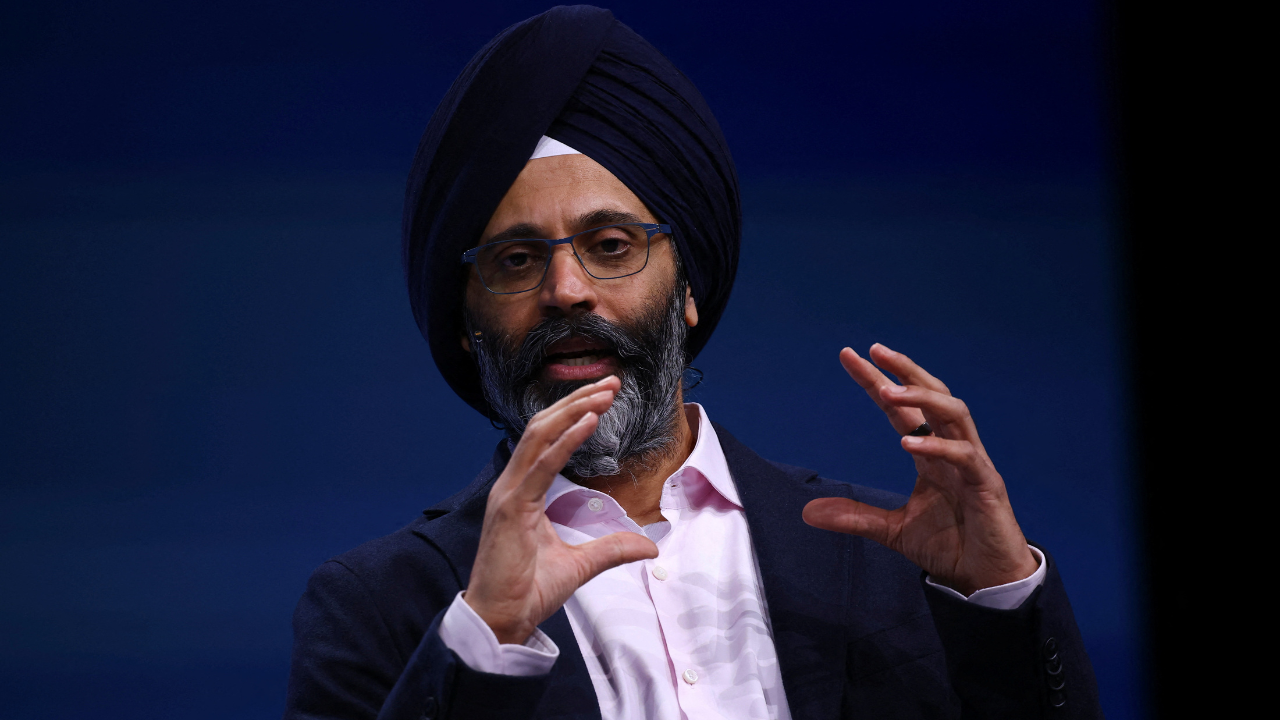
The creation of an enterprise-wide technology office at The Walt Disney Company marks a structural pivot from isolated digital initiatives to unified platform architecture. By appointing Karandeep Anand as Senior Executive Vice President and Chief Technology Officer, reporting directly to Disney Chief Executive Officer Josh D'Amaro, the organization is attempting to solve a classic conglomerate scaling problem: how to decouple foundational engineering from disparate creative business units without stifling content production.
To understand the mechanics of this appointment, one must analyze the operational friction points that prompted it. Disney operates across structurally divergent asset classes, from capital-intensive theme parks and linear broadcast networks to high-churn direct-to-consumer streaming services and global consumer products. Historically, these divisions maintained siloed engineering stacks. This organizational design created significant data silos, fragmented customer identity graphs, and duplicated infrastructure expenditure across cloud storage, content delivery networks, and analytics pipelines.
Anand's background reveals the specific operational blueprint Disney intends to scale. His career trajectory spans three distinct technological paradigms: enterprise cloud infrastructure during his fifteen-year tenure at Microsoft building Azure, high-scale monetization and business product architecture at Meta, and consumer-facing generative artificial intelligence as CEO of Character.AI. This multi-domain experience addresses a core strategic deficit in modern media conglomerates: the inability to translate massive proprietary data assets into cohesive, low-latency consumer experiences across physical and digital touchpoints.
The structural mandate of the new technology organization rests on four distinct pillars.
First is enterprise infrastructure consolidation. Managing global streaming loads for Disney+ alongside transactional spikes in theme park reservations requires unified cloud resource allocation. By centralizing infrastructure under a single technology leader, the company can negotiate enterprise-grade vendor contracts, eliminate redundant internal development tools, and enforce standardized security protocols across all operating segments.
Second is the unification of data and artificial intelligence platforms. Media companies generate petabytes of telemetry regarding user behavior, engagement duration, spatial movement within physical parks, and transactional history. However, value extraction is bounded by data accessibility. A centralized AI and data layer allows machine learning models to train on cross-functional behavioral vectors rather than narrow, division-specific data pools. This creates compounding efficiency in recommendation engines, dynamic pricing models for parks and ticketing, and automated content localization pipelines.
Third is product and engineering velocity. In legacy media organizations, software release cycles often move at the speed of traditional production schedules rather than agile technology loops. Introducing a product-minded executive with a background in rapid-iteration consumer platforms indicates an intent to shorten the feedback loop between digital product development and audience consumption patterns.
Fourth is the management of intellectual property in an interactive, automated environment. The intersection of generative artificial intelligence and proprietary character assets presents both operational upside and acute regulatory and legal risk. Anand's recent background at Character.AI provides direct exposure to the governance frameworks required when deploying open-ended conversational models that interact with users at scale.
The integration path ahead carries explicit execution risks. Conglomerate transformation initiatives frequently stall due to cultural resistance from entrenched business unit leaders who view centralized mandates as a threat to creative autonomy. Furthermore, absorbing technical teams from specialized AI startups into a heavily structured corporate bureaucracy requires careful retention engineering to prevent talent attrition.
The long-term efficacy of this appointment will not be measured by the volume of software deployed or the adoption of trendy frameworks. It will be quantified by unit economics: the reduction of infrastructure cost per active streaming hour, the acceleration of cross-platform customer lifetime value, and the seamless translation of physical park experiences into digital ecosystems. By institutionalizing these capabilities under a unified technical command, Disney is attempting to future-proof its catalog against the structural margin compression facing traditional entertainment models.