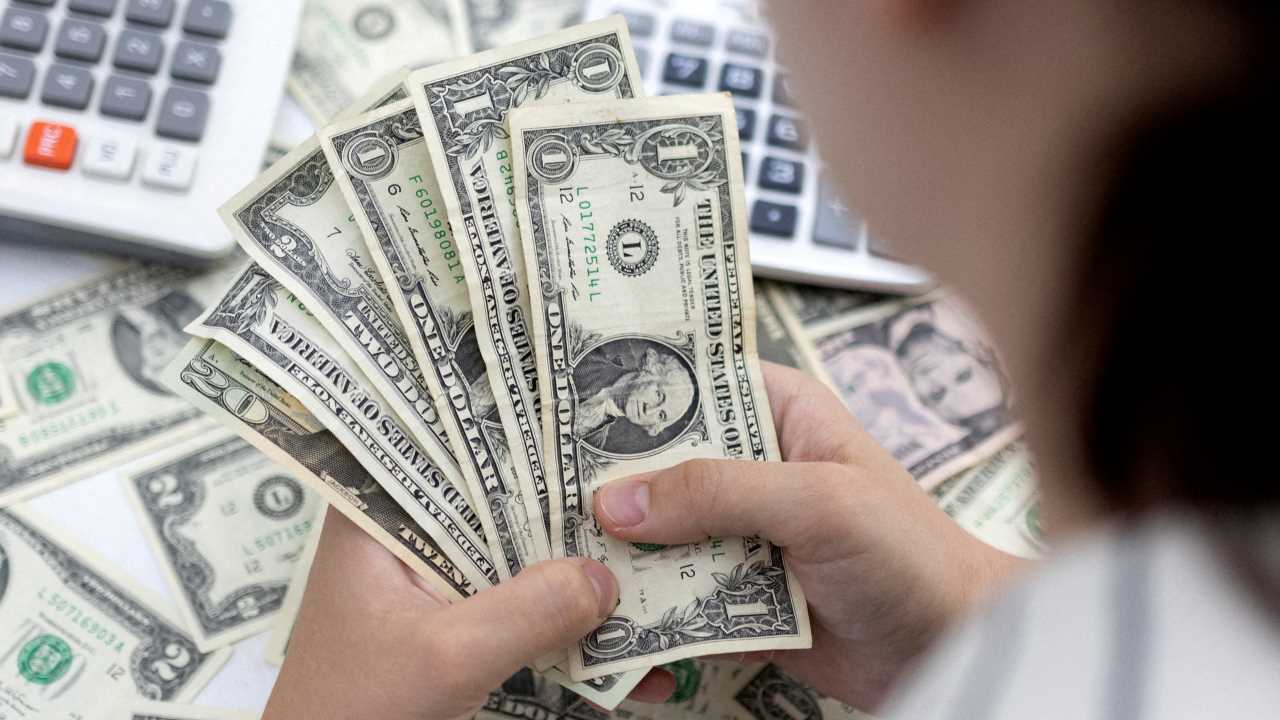
The fluorescent lights of a mid-sized grocery store in the Midwest don’t hum; they buzz with a low-frequency anxiety that most shoppers ignore. To the casual observer, the aisles are a testament to American abundance. Pyramids of waxed apples, towers of cereal boxes, and freezer cases packed with convenient dinners. But for the person managing that store—let’s call him Elias—the view is different. Elias watches the registers. He doesn’t just see transactions; he sees a barometer of national policy.
Lately, the barometer is dropping. You might also find this similar story useful: Why GameStop is betting that corporate governance rules don't apply to Ryan Cohen.
When the federal government tightens the belt on the Supplemental Nutrition Assistance Program (SNAP), the ripple effect doesn't stop at the kitchen table of a struggling family. It travels through the linoleum floors of the supermarket, up the supply chain, and into the boardroom of multi-billion-dollar food conglomerates. We often talk about benefit cuts as a matter of "fiscal responsibility" or "social safety nets." We rarely talk about them as a massive, sudden withdrawal of capital from the private sector.
The Ghost Revenue
Consider a single mother named Sarah. This is a hypothetical scenario, but it is one mirrored in millions of households. When her monthly benefits are reduced by sixty dollars, she doesn’t just "shop smarter." She stops buying certain items entirely. The premium yogurt stays on the shelf. The fresh meat is replaced by starch. The brand-name snacks are ignored. As discussed in recent coverage by The Wall Street Journal, the results are notable.
For the food companies—the Goliaths of the industry like Kraft Heinz, Conagra, or General Mills—Sarah’s sixty dollars is part of a collective billions. When policy shifts toward stricter work requirements or lower cost-of-living adjustments, the "SNAP gap" becomes a hole in the quarterly earnings report. These companies aren't just losing "charity" money. They are losing their most consistent customer base.
Investors often overlook the fact that SNAP is, essentially, a massive indirect subsidy for the American food industry. It is a reliable stream of revenue that doesn't fluctuate with tech trends or fashion. It is foundational. When the government cuts these benefits, they are effectively pulling the rug out from under the very companies that feed the country. The "dry" facts of a budget cut translate into "wet" ink on a profit-and-loss statement.
The Logic of the Lean Aisle
The math is brutal. For every dollar cut from SNAP, the local economy loses roughly $1.50 to $1.80 in economic activity. This isn't a theory; it’s the multiplier effect. When Sarah stops buying that yogurt, the dairy farmer feels it. The trucking company that moved the pallet feels it. The stocker at Elias’s store, whose hours might be trimmed because the "velocity" of product has slowed, feels it most of all.
We have been led to believe that the economy is a series of isolated silos. There is the "welfare" silo and the "business" silo. This is a myth. They are twin chambers of the same heart.
Business leaders are beginning to realize this, though they rarely say it loudly. During recent earnings calls, several major food retailers have had to explain away "volume declines." They blame inflation. They blame "consumer shifts." But if you look closer, the declines often align perfectly with regions where benefit administration has become more restrictive. It is a quiet, creeping recession happening one checkout lane at a time.
The Hidden Cost of "Efficiency"
The argument for cutting benefits often centers on the idea of incentivizing work. It sounds logical on paper. But the reality on the ground is messier. Many SNAP recipients are already working; they are the people stocking the shelves of the very stores where they shop. When their benefits are cut, their caloric intake often drops. Productivity falls. Health issues rise.
This creates a secondary hit to the business world: the cost of a fragile workforce. A worker who is worried about how to feed their kids tonight is not a worker who is focused on safety or efficiency. The "savings" the government finds in the budget are often just costs shifted onto the private sector in the form of higher turnover, more sick days, and lower consumer demand.
It is a game of musical chairs where the music is getting faster and the chairs are being removed by the dozen.
The Brand Loyalty Trap
There is also the matter of psychological branding. Food companies spend billions to make sure you have an emotional connection to their "classic" soup or "iconic" snack. But brand loyalty is a luxury of the middle class. When a family is pushed into survival mode by benefit cuts, loyalty is the first thing to die.
They switch to "private label" or generic store brands. They move to "dollar channels" where margins for the big food companies are razor-thin. Once a consumer makes that switch out of necessity, they rarely come back. The big brands lose a lifetime of "customer value" over a policy change that saved the taxpayer a few pennies per month.
The industry is currently in a state of high-stakes improvisation. They are trying to shrink package sizes—"shrinkflation"—to keep price points low enough for the dwindling SNAP budget. They are changing ingredients to lower costs. But you can only shrink a box of crackers so much before the consumer realizes they are buying a box of air.
The Silent Boardroom
Why aren't the CEOs screaming from the rooftops?
Because it’s politically inconvenient. No executive wants to stand in front of a microphone and say, "Our profit margins depend on the government's ability to feed the poor." It ruins the "rugged individualist" branding that many American companies cultivate. So they suffer in silence, or they speak in the coded language of "macroeconomic headwinds."
But the data doesn't lie. The correlation between SNAP disbursements and the stock price of discount retailers and mass-market food producers is tighter than a drum. We are watching a slow-motion collision between social policy and corporate reality.
Elias, the store manager, sees it every Thursday. Thursday is when the "new" benefit cycles often hit. In the past, Thursday was a day of frantic activity—carts overflowing with milk, eggs, and the occasional treat. Now, the carts are half-full. The tension in the line is palpable. People are doing mental math before they reach the scanner. They are putting things back.
A box of cereal sits abandoned on a shelf of laundry detergent. It was a choice between breakfast and clean clothes.
The tragedy of the situation is that we have optimized our food system for a level of consumption that we are no longer willing to support at the foundational level. We have built a skyscraper of food commerce, but we are chipping away at the concrete of the first floor.
It isn't just about "them"—the people on benefits. It is about "us"—the entire ecosystem that relies on the movement of goods and the stability of the market. When the seat at the table is left empty because the guest can no longer afford the entry fee, the host eventually goes hungry too.
The fluorescent lights in Elias’s store will keep buzzing. The shelves will stay stocked for now. But the silence in the aisles is growing louder, a precursor to a reckoning that no balance sheet can ignore for long.
A nation is only as strong as its smallest transaction. And right now, those transactions are vanishing.